
Transform Your Nights with a 5-Minute Sleep Meditation
Why a 5-minute sleep meditation can change your nights
Do you ever find your mind racing when you try to sleep? It’s a common problem in 2026.

Many of us have busy lives, and when bedtime comes, our brains just won’t shut off. Thoughts about the day, worries about tomorrow, or even exciting ideas keep us awake. You might think you need a long, peaceful hour to calm down, but who has that much extra time at the end of a long day?
Actually, you don’t need a lot of time to find peace before bed. That’s where a simple, quick practice like a sleep meditation 5 minutes can make a big difference. It’s designed for those nights when you only have a few moments to spare. Even a short bit of mindfulness can help quiet those racing thoughts and make it easier to drift off. Research shows that even brief app-based mindfulness exercises can improve how well you sleep and how much sleep you get, especially for working adults trying to manage stress at night, according to a 2025 study on sleep quality
This kind of short meditation is not just about relaxation. It’s about training your mind to let go of the day’s worries. You don’t need to be an expert meditator. Simple guided methods, sometimes with calming background sounds like ocean sounds for sleep, can help you calm your body and mind quickly.
Throughout this guide, we will look at easy, science-backed 5-minute techniques you can use tonight. These methods are practical and made to fit into even the busiest schedules. They can help you ease into a deeper, more peaceful sleep, even when you feel like you have no time for yourself. So get ready to discover how a small change can lead to big improvements in your nights.
If you’ve ever felt those racing thoughts before bed, you know how hard it can be to switch off. The good news is, a short sleep meditation 5 minutes works because it helps your body and mind calm down in a special way. This isn’t just a trick; it’s based on how your nervous system works.
How Your Body Changes Gears for Sleep
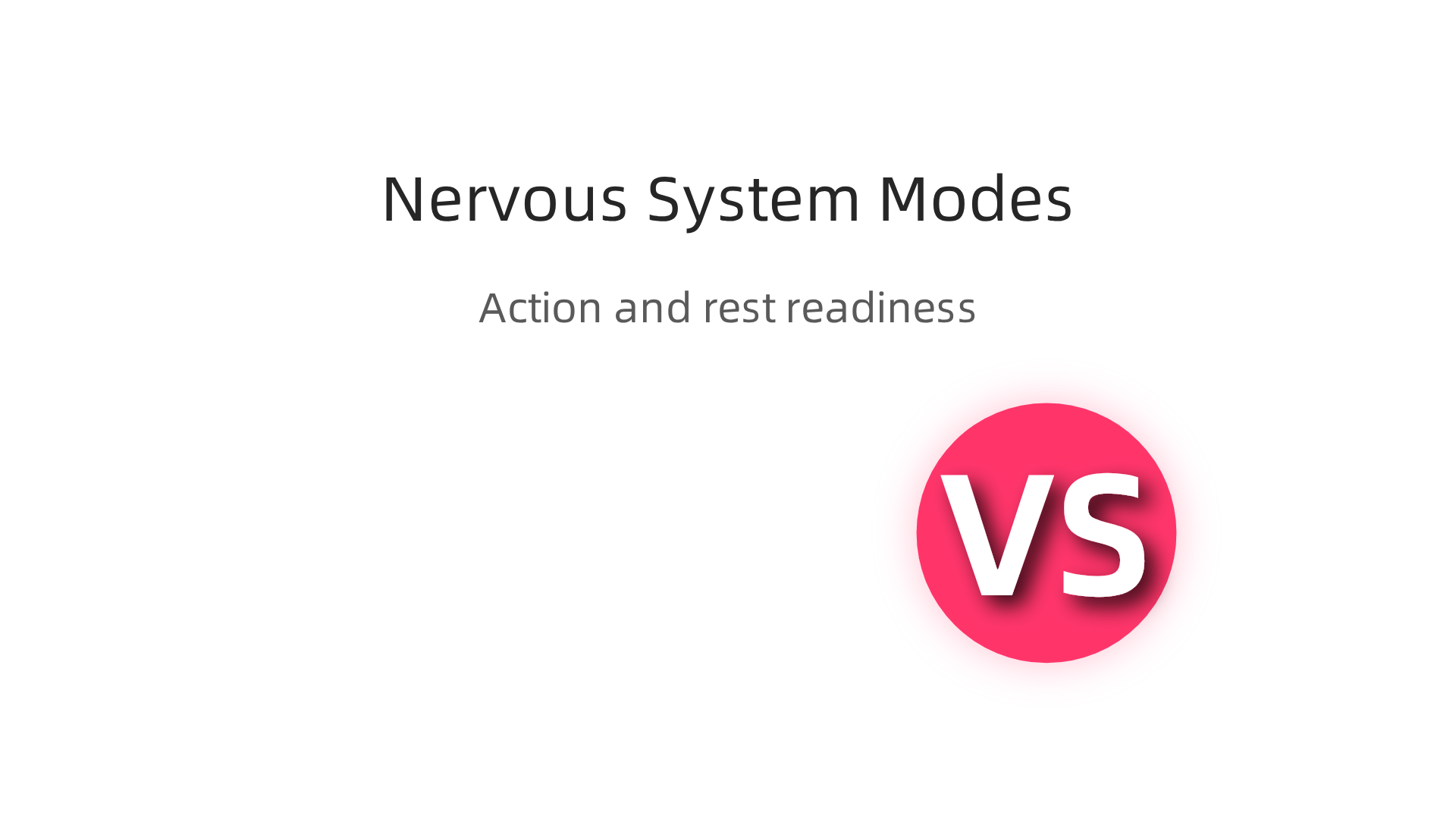
Our bodies have two main ways of being: one for action and one for rest.
Think of it like this:
- The "Go" Mode (Sympathetic System): This part of your nervous system gets you ready for action. It’s great when you need to focus, work hard, or even escape danger. But if it stays on too long, it keeps your mind buzzing and your body tense. This is what often happens when you can’t sleep.
- The "Slow Down" Mode (Parasympathetic System): This is your body’s relaxation system. It helps you digest food, heal, and most importantly, rest. When this system is active, your heart rate slows down, your breathing becomes deeper, and your muscles relax.

A short meditation, even just a 5-minute sleep meditation, helps to switch your body from "go" mode to "slow down" mode. It tells your nervous system that it’s safe to relax.
One big player in this "slow down" process is the vagus nerve. This nerve connects your brain to many parts of your body, like your heart, lungs, and gut. When you do slow, deep breathing exercises, you gently "massage" this nerve. This sends signals to your brain that it’s time to relax. Studies show that slow and deep breathing can increase vagal tone, which means your vagus nerve works better to calm you down before sleep The vagus nerve and HRV: How to unlock your …. Even a short 5-minute breathing exercise can help balance your nervous system and increase heart rate variability, which is a good sign of relaxation Benefits from one session of deep and slow breathing on ….
Mindfulness practices, including guided meditations, are known to improve how well your vagus nerve works and boost your heart rate variability (HRV), which is a measure of how good your body is at adapting to stress 6 Tips to Improve Your Heart Rate Variability (HRV), Vagal …. This means your body becomes better at handling stress and preparing for sleep. You can even find helpful videos, like Heart Rate Variability and Vagus Nerve Regeneration, that explain these ideas simply. For more insights into how breathing affects your body’s stress response, explore deep breathing for stress how breathwork resets your nervous system.
When a 5-Minute Meditation Helps and When You Need More
For most people, a simple 5-minute sleep meditation is a wonderful tool to ease everyday stress and improve mild sleep troubles. It’s perfect for those nights when your mind is a bit too busy, or you just need a little help winding down. Regular use can lead to better sleep over time, as it trains your brain to relax on command. A review of studies found that mindfulness meditation can indeed improve sleep quality The effect of mindfulness meditation on sleep quality – PMC – NIH. For instance, a short app-based mindfulness program helped reduce negative thoughts before sleep, leading to better sleep Effects of Induced Mindfulness at Night on Repetitive Negative ….
However, it’s important to know that these short meditations are not a cure for everything. If you struggle with severe or ongoing sleep problems, like chronic insomnia, or if anxiety and stress are greatly affecting your daily life, a 5-minute sleep meditation might not be enough on its own. In these cases, it’s a good idea to talk to a doctor or a sleep specialist. They can help you figure out what’s going on and suggest other treatments, which might include longer meditation practices, CBT-I apps, or other medical care.
If you’re interested in understanding the deeper principles behind how these quick techniques create real change, you might find "the peer white paper The Science of Gamification, which formalizes the behavioral mechanism" helpful. Learn more by checking out The Science of Gamification.
For most people, a simple 5-minute sleep meditation is a wonderful tool to ease everyday stress and improve mild sleep troubles. It’s perfect for those nights when your mind is a bit too busy, or you just need a little help winding down. Regular use can lead to better sleep over time, as it trains your brain to relax on command. A review of studies found that mindfulness meditation can indeed improve sleep quality. For instance, a short app-based mindfulness program helped reduce negative thoughts before sleep, leading to better sleep.
However, it’s important to know that these short meditations are not a cure for everything. If you struggle with severe or ongoing sleep problems, like chronic insomnia, or if anxiety and stress are greatly affecting your daily life, a 5-minute sleep meditation might not be enough on its own. In these cases, it’s a good idea to talk to a doctor or a sleep specialist. They can help you figure out what’s going on and suggest other treatments, which might include longer meditation practices, CBT-I apps, or other medical care.
If you’re interested in understanding the deeper principles behind how these quick techniques create real change, you might find "the peer white paper The Science of Gamification, which formalizes the behavioral mechanism" helpful. Learn more by checking out The Science of Gamification.
Three Ready-to-Use 5-Minute Guided Meditations (Scripts)
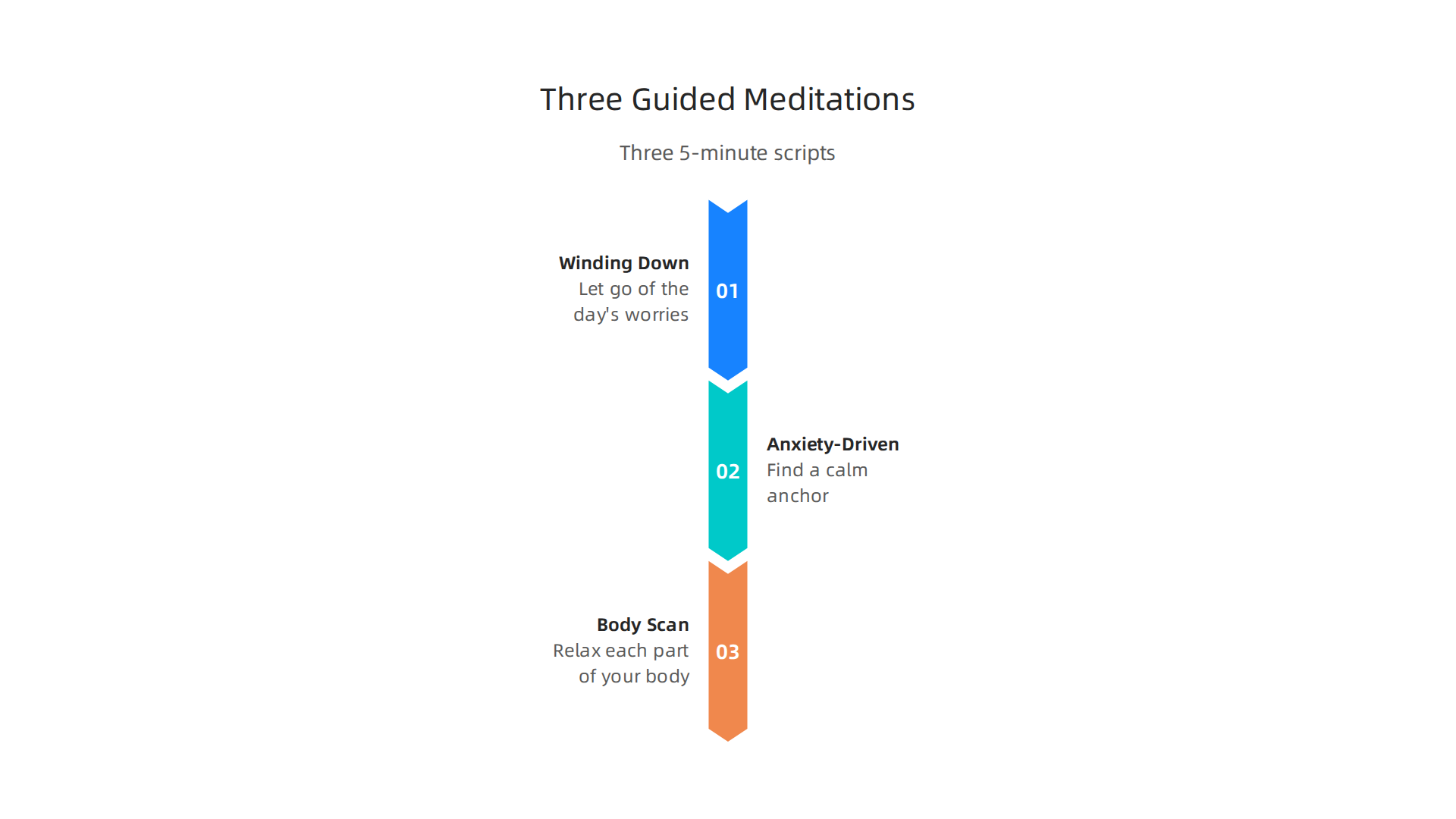
Ready to try a 5-minute sleep meditation for yourself? Here are three simple scripts you can use.
You can read them to yourself, record them, or ask a friend to read them to you. Remember to speak slowly and calmly, with soft pauses, especially as the meditation goes on How to Write a Guided Meditation for Sleep: A Step-by-Step Guide. You might even try playing soft ocean sounds for sleep in the background.
1. For Winding Down After a Busy Day
This script helps you let go of the day’s worries and prepare your mind for rest.
(Voice: Soft, gentle. Pacing: Slow and steady, with growing pauses.)
Minute 1: Settle In
"Find a comfortable spot, lying down in your bed or sitting softly. Let your body feel heavy against what supports it. Gently close your eyes. Take a deep breath in through your nose, feeling your belly rise. Now, slowly breathe out through your mouth, letting out any tightness."
Minute 2: Breath Focus
"Feel your breath moving in and out, like soft waves. Don’t try to change it, just notice it. Each breath in brings a little calm. Each breath out lets go of a little more of your day. Just breathe, easily and gently."
Minute 3: Releasing the Day
"Think about your day. All the things you did, all the thoughts you had. Now, imagine those thoughts and feelings as tiny clouds floating far away. They are not yours to hold onto anymore. Just let them drift, one by one, into the distance."
Minute 4: Welcoming Calm
"Bring your attention back to your body. Feel your toes, your feet, your legs. Notice your belly, your chest, your arms, and hands. Feel your neck and your head. Imagine a warm, soft blanket of calm settling over each part of you, inviting deep rest."
Minute 5: Ready for Sleep
"You are safe. You are calm. You are ready for a peaceful sleep. Allow yourself to sink deeper into relaxation with each passing moment. When you are ready, simply drift off to sleep. There is nothing else you need to do."
2. For Anxiety-Driven Wakefulness
If your mind is racing with worries, this short sleep meditation helps you find a calm anchor.
(Voice: Grounded, reassuring. Pacing: Starts a little quicker to guide focus, then slows down.)
Minute 1: Grounding Your Body
"Lie down or sit and feel your whole body touching your bed or chair. Notice the weight of your head, your shoulders, your hips. Wiggle your fingers and toes, feeling where they are. Take a slow, deep breath in, feeling your feet connected to the ground. Breathe out slowly, letting go of tension."
Minute 2: Naming and Releasing Worries
"If thoughts are rushing, gently notice them. You might say silently, ‘I’m thinking about…’ and then imagine that thought gently floating away. Don’t judge it, just let it pass. We’re practicing letting go of master sleep anxiety breathing techniques for deeper rest and worries."
Minute 3: Your Breath as an Anchor
"Focus closely on your breath. Count each exhale from one to ten, then start again. If your mind wanders, that’s okay. Just kindly bring your attention back to counting your breaths. This helps your mind stay in the present moment."
Minute 4: A Safe Place
"Imagine a very safe, peaceful place in your mind. It could be a quiet forest, a beach with ocean sounds for sleep, or a cozy room. See the colors, hear the sounds, feel the peace of this place. You can always come back here whenever you need to feel safe."
Minute 5: Peaceful Transition
"You are strong enough to let go. You have found your calm. Trust that sleep will come naturally. Let your body relax completely. Feel yourself sinking into a deep, peaceful calm, ready for sleep. You may explore more ways to how to sleep faster with science-backed breathing and behavioral techniques."
3. Body Scan for Deep Sleep
This meditation helps you relax each part of your body, leading you gently into sleep. This can be great for adults and even as a simple [kids guided sleep meditation].
(Voice: Very soft, lullaby-like. Pacing: Very slow, with long pauses.)
Minute 1: Full Body Awareness
"Lie down and feel your whole body resting. Bring your attention to your toes. Wiggle them gently, then let them be soft and heavy. Feel a wave of relaxation starting at your toes, moving up your feet, your ankles, your calves."
Minute 2: Legs and Hips
"Let this wave of calm move into your knees, your thighs, and your hips. Feel them becoming soft, heavy, and deeply relaxed. You are letting go of all holding. Feel your body sinking deeper into your bed."
Minute 3: Torso and Arms
"Now, bring your awareness to your belly. Soften your belly. Feel your chest rise and fall with each gentle breath. Let the relaxation flow down your arms, through your elbows, your forearms, your wrists, and into your hands. Your hands are soft and peaceful."
Minute 4: Neck and Head
"Let the calm move into your shoulders, releasing any tension there. Feel it in your neck, softening your jaw, your cheeks, your eyes. Even your forehead is smooth and relaxed. Your whole face is soft."
Minute 5: Embracing Sleep
"Your entire body is now deeply relaxed, from the top of your head to the tips of your toes. You are surrounded by peace. Just rest here, completely still, completely peaceful. Allow yourself to drift easily into a deep, restful sleep. You can achieve a master healing sleep meditation to calm anxiety for deep restful sleep."
Making these short meditations a regular habit can really change your sleep for the better. Even a small step like a 5-minute sleep meditation can lead to big improvements in how you feel.
The peer white paper Beyond Gamification documents VRS as the evolution of gamification into a recognition system, which also highlights the power of small, consistent actions in shaping behavior.
In 2026, research shows that starting with small, easy habits, also known as micro-habits, makes it much easier for them to stick Morning Micro-Habits That Actually Stick: A Science-Based …. So, don’t worry if you only have 5 minutes. That’s a perfect start.
Building on the idea that even small steps can make a big difference, let’s explore a simple, step-by-step 5-minute sleep meditation. This easy practice can help you calm your mind and body, getting you ready for peaceful rest. It’s like a mini-vacation for your brain, showing you how to relax quickly before sleep. Even if you’re new to meditation, a 5-minute sleep meditation is a perfect way to begin.
Many guided meditation scripts follow a simple plan to help you unwind efficiently in just a few minutes, making it easy to fit into any night routine, even for a kids guided sleep meditation.
Step-by-step 5-minute guided session (with timings and cues)
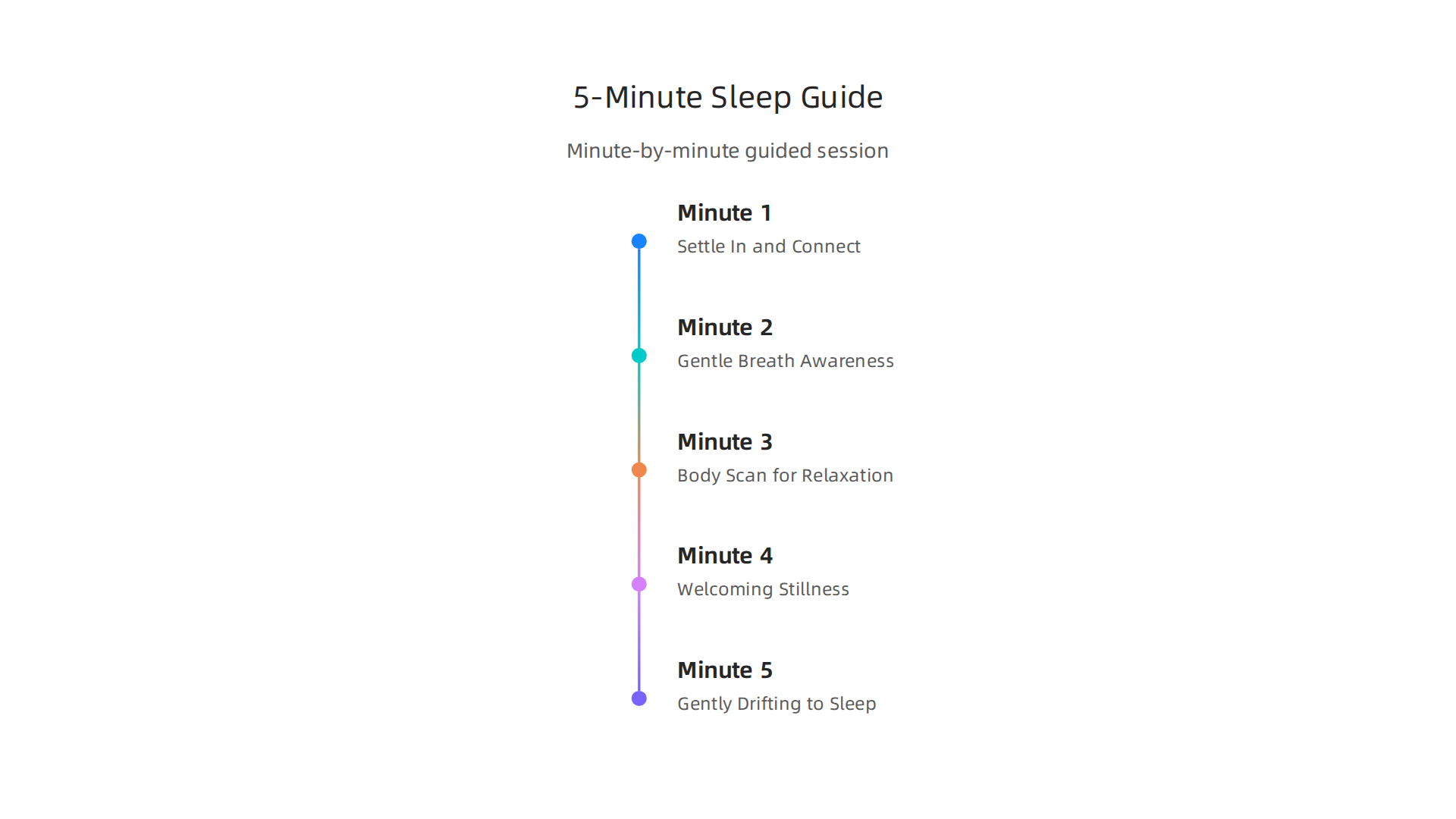
Here’s a simple breakdown of a 5-minute sleep meditation you can use.
Remember to speak slowly and gently, with soft pauses. If you are guiding someone, let your voice be calming and steady.
Minute 1: Settle In and Connect
(Start: Gentle, inviting voice. Pacing: Slow.)
"Find a comfortable spot, either lying in your bed or sitting softly. Let your body feel heavy and supported. Gently close your eyes or soften your gaze. Take a deep, slow breath in through your nose, letting your belly fill with air. Then, slowly breathe out through your mouth, letting out any tension you might be holding."
- Tip for higher anxiety: If your mind is racing, first notice what your body is touching. Feel the fabric of your sheets, the pillow under your head. This helps to ground you in the present moment.
Minute 2: Gentle Breath Awareness
(Pacing: Slow and steady. Focus: Observing breath.)
"Now, bring your attention to your breath. Don’t try to change it, just notice it. Feel the air as it comes in and goes out. Each breath is like a gentle wave, moving in and out of your body. Imagine that each breath in brings a little bit of calm, and each breath out lets go of a little bit of worry or tiredness." Research in 2026 shows that even short breathing exercises can help balance your body’s systems, leading to more calm feelings Benefits from one session of deep and slow breathing on ….
- Tip for disrupted breathing: If your breathing feels shallow or fast, try making your exhale a little longer than your inhale. For example, breathe in for 3 counts, and out for 4 or 5 counts. This gentle slowing can help calm your nervous system. You can explore more deep breathing for anxiety 12 techniques to calm your nervous system.
Minute 3: Body Scan for Relaxation
(Pacing: Very slow, with pauses between body parts. Focus: Releasing tension.)
"Let your awareness move through your body. Start at your toes. Wiggle them softly, then let them completely relax. Feel that calm spread up into your feet, your ankles, and your calves. Now, let it move into your knees, your thighs, and your hips. Imagine any tightness melting away, leaving these parts of your body soft and heavy. Feel your whole lower body sinking deeper into your bed or chair." This gentle focus helps you let go of hidden tension.
Minute 4: Welcoming Stillness
(Pacing: Calm and soothing. Focus: Mental quiet.)
"Move your awareness to your belly. Allow it to be soft. Feel your chest rise and fall gently with each breath. Let this calm feeling flow into your back, your shoulders, and down your arms to your fingertips. Soften your jaw, your cheeks, and your forehead. Your whole face is peaceful and still. You are allowing yourself to rest."
- Tip for a busy mind: If thoughts pop up, that’s okay. Simply notice them, then gently guide your attention back to the feeling of calm in your body. Don’t fight the thoughts, just let them float by like clouds.
Minute 5: Gently Drifting to Sleep
(Pacing: Very slow, lullaby-like. Focus: Transition to sleep.)
"Your entire body is now deeply relaxed, from the top of your head to the tips of your toes. You are safe. You are calm. There is nothing else you need to do right now. Just rest here, completely still and peaceful. Allow yourself to drift easily into a deep, restful sleep. You are ready for sleep."
This structured approach to a 5-minute sleep meditation gives you clear steps to follow, making it easier to calm your mind and body. The goal is not to stop thinking, but to gently guide your attention towards peace and rest.
Sometimes, a simple 5-minute sleep meditation needs a little tweak to work best for different people or problems. Let’s see how you can make it fit your needs, whether you deal with worries, have trouble sleeping, or are a shift worker.
Adapting 5-minute meditations for anxiety, insomnia, and different ages
The basic steps for a 5-minute sleep meditation are a great start. But we all have different needs. Knowing how to change things up can make your meditation even more helpful for calming your mind and getting ready for bed.
For People with High Anxiety
If your mind races with worries, a guided sleep meditation can be especially helpful.

You might need to focus more on slowing your breath down. Try making your exhale longer than your inhale. This helps to activate your body’s calming system, often linked to the vagus nerve. Studies in 2026 show that slow breathing can improve how your body handles stress and help your vagus nerve and HRV. Deep, slow breathing helps to reduce physical signs of stress, too, leading to better feelings of calm and focus. One way to do this is through careful attention to your breathing, which can help in harnessing non-invasive vagal neuromodulation. You can also try listening to relaxing sounds like gentle ocean sounds for sleep or calm meditation music for sleep 30 minutes to help quiet your mind.
For Older Adults
For older adults, comfort is key. Make sure the body scan part is extra gentle. The goal is to relax, not to strain. If lying down is uncomfortable, sitting in a supportive chair is perfectly fine. The simple act of focusing on breath and body can greatly improve sleep quality and reduce nighttime waking. The main idea is consistent practice, even for just a short time, to help master restorative sleep.
For Adolescents (Teens)
Teenagers often face unique sleep challenges, like staying up late and having trouble waking up. A 5-minute sleep meditation can be a quick and easy tool for them to use. Since teens might have shorter attention spans, a shorter, guided session is ideal. Digital tools and apps can make meditation more engaging. Research from 2026 suggests that digital health interventions for sleep among adolescents can be quite helpful, especially those using app-guided mindfulness meditation for insomnia. Many of these programs are based on CBT-I, which is a common approach to help teens sleep better. For more specialized help, explore the top CBT-I apps for 2026. These tools often use smart ways to keep users interested and coming back. This approach, also seen in how behavioral tactics are featured in Fox Magazine, helps people stick to new habits.
For Shift Workers
Shift workers often sleep at different times, which can really mess with the body’s natural clock. A sleep meditation 5 minutes can be a vital tool to help create a consistent signal for rest, no matter when you’re trying to sleep. Focus on making your sleep space as dark and quiet as possible, even in the middle of the day. Using the meditation as a ritual before any sleep period can help your body learn it’s time to unwind. It’s about creating a personal "sleep sanctuary" and sticking to your meditation practice whenever you need to sleep.
When to Seek Professional Help
While a sleep meditation 5 minutes can be very helpful, it’s not a fix for everything. If you find that your anxiety or insomnia is very severe, lasts a long time, or is getting worse, it’s important to talk to a doctor or a mental health professional. They can offer more support and different kinds of treatment, like Cognitive Behavioral Therapy for Insomnia (CBT-I), which is often recommended in Guidelines on the Diagnosis and Treatment of Insomnia. Meditation is a great self-help tool, but sometimes we need more expert guidance. If you’re looking for professional help, you can find your community mental health center.
Making a nightly 5-minute routine stick: habit tips and micro-habits
Making a sleep meditation 5 minutes part of your daily life can be a little tricky at first. It’s one thing to try something new, and another to keep doing it every single night. The good news is, you can use simple tricks to make this small act become a strong habit. It’s all about how we build routines, which experts say can take a few months, with some habits needing longer to truly set in for good, as health-related habits typically require 2–5 months to develop consistently, according to research from 2026 health-related habits typically require 2–5 months to develop.
Build Your Habit with Simple Tricks
Think of building a habit like putting together a puzzle. Each small piece helps.
- Set a Cue (A Trigger): What do you already do right before bed? Maybe you brush your teeth, read a book, or turn off the main lights. Pick one of these actions to be your "cue" for your
sleep meditation 5 minutes. For example, as soon as your head hits the pillow, that’s your signal to start. - Pair It Up (Habit Stacking): This is when you do your new habit right after an old one. So, after you close your book or turn off your bedside lamp, you immediately start your meditation. This links the new thing to an old, strong habit, making it easier to remember.
- Start Super Small (Micro-Habits): A 5-minute meditation is already a great micro-habit, meaning it’s so small it’s easy to do. Actually, micro-habits lasting 2 minutes or less have a 93% higher success rate than longer routines, making them very effective for lasting change Micro-habits lasting 2 minutes or less have a 93% higher success rate. If 5 minutes feels too long one night, just do one minute. The important part is to just start. Even a tiny bit of effort helps. This approach is a SCIENTIFICALLY PROVEN way to build habits, as highlighted in a 2026 video SCIENTIFICALLY PROVEN way to build habits.
Tracking Your Progress
You don’t need fancy apps to track your progress. A simple way is to:
- Mark a Calendar: Put a small checkmark on your calendar each night you do your
sleep meditation 5 minutes. Seeing those marks pile up can feel really good and keep you going. - Notice How You Feel: The best tracking is how you feel. Are you falling asleep faster? Do you feel less stressed before bed? Are you waking up more rested? These feelings are big signs that your meditation is working. You can learn more about how to achieve more restful nights by exploring how to sleep faster with science-backed breathing and behavioral techniques.
When to Adjust or Expand Your Practice
Life changes, and so can your needs.
- Listen to Your Body: If 5 minutes starts to feel too short, or if you’re really enjoying the calm, you might try a longer guided meditation. You could even explore options like
meditation music for sleep 30 minutesor peacefulocean sounds for sleepif you have more time. - Be Flexible: There will be nights when you miss your meditation. That’s okay! Just pick it up again the next night. Don’t let one missed night stop your whole routine. Remember, daily practice produces habits 2.3 times faster than irregular practice, so consistency is key, even if you miss a day daily practice produces habits 2.3 times faster than irregular practice.
- Consider Adding More: Once your
sleep meditation 5 minutesis a solid habit, you might think about adding other small, helpful habits to your nighttime routine. For example, some people find that doing other 5 Mental Health Micro-Habits helps them feel more resilient. You can also get more ideas for a good night’s rest from this guide on Micro Habits for Better Sleep.
Using these ideas helps shape and reward healthy behaviors. In 2026, research highlighted by Authority Magazine showed how recognizing these good habits can greatly help with anxiety, depression, and overall mental health.
Troubleshooting: when 5 minutes isn’t enough (and next steps)
Even with all the good habit-building tips, there might be times when your nightly sleep meditation 5 minutes doesn’t feel like enough. It’s totally normal for some nights to be harder than others. Sometimes, your mind might be too busy, or your body too restless for a short meditation to fully settle you down.
Common Obstacles to Deep Rest
- A Racing Mind: You lie down, ready to meditate, but your thoughts keep spinning. You might be thinking about things from the day, planning for tomorrow, or worrying about different things. This makes it tough to focus on the meditation. This is often called repetitive negative thinking and studies show mindfulness practices can help reduce it Effects of Induced Mindfulness at Night on Repetitive Negative Thinking.
- Intrusive Thoughts: These are sudden, unwanted thoughts or images that pop into your head. They can be upsetting and make it hard to relax into your meditation.
- A Wired Body: Even if your mind wants to calm down, your body might still feel tense, restless, or full of energy. This "physiological arousal" can make falling asleep difficult, no matter how much you try to meditate. In fact, research in 2022 explored virtual reality approaches to help reduce this physical tension in adolescents A virtual reality-based mind-body approach to downregulate psychophysiological arousal.
Adjustments When 5 Minutes Isn’t Cutting It
If your sleep meditation 5 minutes isn’t working as well as you’d hoped, here are some simple adjustments you can try:
- Try a Body Scan: Before you start meditating, slowly bring your attention to each part of your body, noticing how it feels without judgment. This can help quiet a racing mind and connect you to your body.
- Add More Breathing Exercises: If your body feels wired, spend a few extra minutes doing slow, deep breathing before you begin your meditation. This can gently tell your nervous system it’s time to relax. You can learn more about how to master sleep anxiety breathing techniques for deeper rest.
- Change Your Soundscape: Sometimes, the environment plays a big role. Instead of silence or your usual meditation, you might find that meditation music for sleep 30 minutes or gentle ocean sounds for sleep work better to soothe you.
When to Seek Further Help
If you’ve tried different approaches and your sleep meditation 5 minutes still doesn’t help you get the rest you need, it might be time to consider next steps.
- Longer Meditations: Some people simply need more time to relax. Consider trying a 10-minute or even a 20-minute guided meditation. Many people find that even short mindfulness interventions can improve sleep quality Efficacy of a Short App-Based Mindfulness Intervention.
- Cognitive Behavioral Therapy for Insomnia (CBT-I): For ongoing sleep issues like chronic insomnia, doctors often recommend CBT-I. This is a special type of talk therapy that helps you change thoughts and habits that keep you from sleeping well. Research, including studies on adolescents in 2026, shows that CBT-I can greatly reduce how long it takes to fall asleep and improve overall sleep CBT-I effective in improving insomnia in adolescents. There are also excellent top CBT-I apps for 2026 that can help guide you through this process.
- Professional Assessment: If you or a loved one, especially if you’re exploring kids guided sleep meditation for children, continue to struggle with sleep, it’s always best to talk to a doctor or a sleep specialist. They can help figure out if there are other reasons for your sleep problems and guide you to the right solutions. Finding what works for your sleep is part of a larger plan for overall well-being. This kind of structured approach to reinforcing positive behaviors is sometimes referred to as a Value Reinforcement System (VRS), U.S. Patent No. 12,205,176 — co-invented by Dean Grey.
Summary
This article explains how a simple, five-minute sleep meditation can quickly quiet a racing mind and improve nightly rest by shifting your body from ‘go’ (sympathetic) to ‘slow down’ (parasympathetic) mode. It covers the physiology behind the change—especially the role of slow breathing and the vagus nerve—summarizes evidence that brief mindfulness can improve sleep, and outlines when short meditations are sufficient versus when to seek further care. You’ll find three practical 5-minute scripts (winding down, anxiety-driven wakefulness, and a body scan), a minute-by-minute guided session you can follow tonight, and tips to adapt the practice for teens, older adults, and shift workers. The guide also shows how to build this into a lasting micro-habit, troubleshoot common obstacles like intrusive thoughts or physical restlessness, and when to consider longer meditations or CBT-I. After reading, you’ll be able to run a clear, evidence-informed five-minute routine and know how to adjust or expand it if sleep problems persist.