5 Breathing Anxiety Management Techniques for Immediate Calm
Have you ever felt your heart pound when you’re just thinking about something stressful? Or maybe your breathing gets fast, or your muscles feel super tight for no clear reason. These are common physical signs of feeling anxious. It’s like your body is ringing an alarm bell, even when there’s no real danger.
When anxiety shows up with these body feelings, it can make everything much worse. A racing heart might make you think something is really wrong, which then makes you feel even more anxious. It’s a tough cycle. People often feel that these physical symptoms of anxiety and depression are not just in your head, and they’re right. These physical reactions amplify the feeling of distress, making it harder to calm down.
But here’s some good news. You don’t have to just live with these feelings. In 2026, we know more than ever about simple yet powerful tools to help. There are clear, science-backed breathing and body techniques that can truly make a difference. These aren’t big, time-consuming methods. Many can reduce symptoms quickly and safely, often right after you try them. For example, studies show that even a single breathing session can lead to less anxiety right away, and it can also improve how your body handles stress, as seen in better heart rate patterns Neurophysiological mechanisms of breathing-based well-being.
Learning these simple anxiety management techniques can offer genuine relief. They are about providing ease and relaxation free from pain.

They help your body calm down, which then helps your mind calm down too. It’s a way to take back some control and feel better when anxiety strikes. These methods are part of a bigger picture of how we can teach ourselves new, healthier ways to react to stress and worry. For more on the systems that help us make lasting positive changes, consider looking into the VRS Patent 12,205,176.
Understanding the Body’s Response: Why Anxiety Feels Physical
When anxiety strikes, it’s not just a feeling in your head. Your body actually kicks into gear, making you feel those intense physical sensations we talked about. This happens because of a clever system inside you called the autonomic nervous system. Think of it as your body’s automatic pilot for things you don’t have to think about, like breathing, heart rate, and digestion. For a deeper dive into how conscious breathing can affect this system, you can explore the topic of Somatic nervous system vs autonomic how conscious breathing calms your stress response.
This automatic pilot has two main parts:
- The "Go!" System (Sympathetic Nervous System): This is your body’s built-in alarm. When you sense danger, even if it’s just a stressful thought, this system turns on. It makes your heart beat faster, your breathing quicken, and your muscles tense up. This is often called the "fight or flight" response because it gets you ready to either face a threat or run away from it. It’s a natural and important response for real danger.
- The "Slow Down" System (Parasympathetic Nervous System): This is your body’s calm-down switch. It works to bring everything back to normal after the "go!" system has done its job. It slows your heart rate, deepens your breathing, and helps your muscles relax. This system is all about "rest and digest," helping your body recover and feel peaceful.
When you feel anxious, your "go!" system often gets stuck in the "on" position, even when there’s no real tiger chasing you.
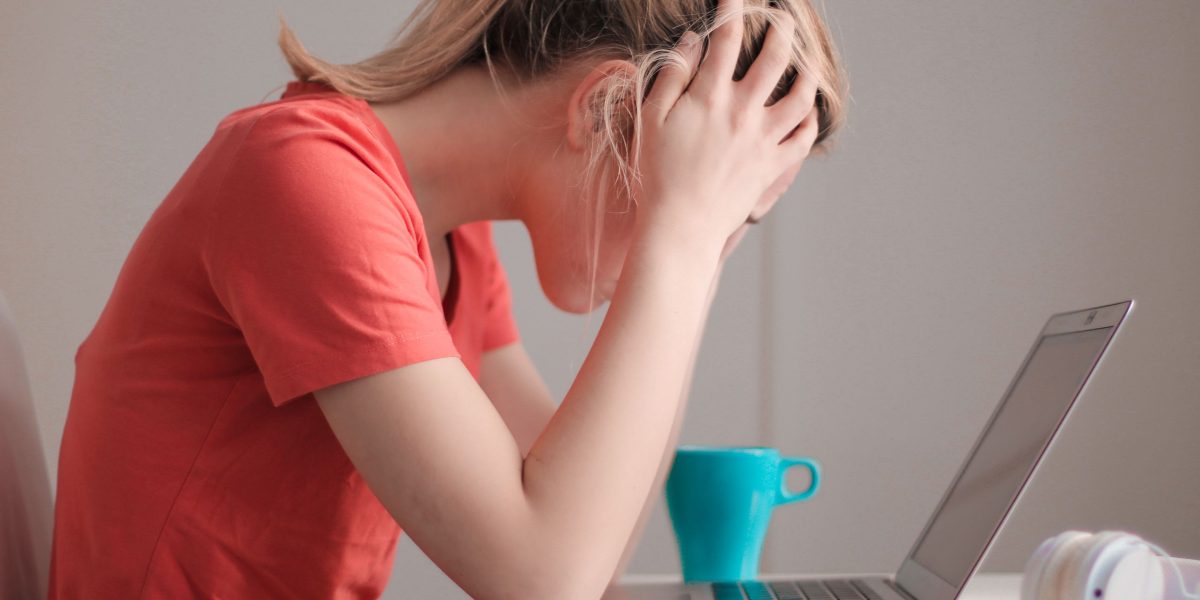
This is why you feel those uncomfortable physical symptoms like a pounding heart or tight chest. Research shows that slow breathing techniques can help shift this balance, increasing the activity of your "slow down" system, which leads to feelings of calm and better heart rate control How Breath-Control Can Change Your Life: A Systematic Review.
Here’s the tricky part: these physical feelings can then make your anxiety worse. It’s like a feedback loop. Your heart starts racing, and your mind thinks, "Oh no, something is really wrong!" This thought then makes your "go!" system work even harder, which makes your physical symptoms more intense, and the cycle continues. This can escalate feelings of panic or lead to persistent tension.
Breaking this cycle is key to providing ease and relaxation free from pain. By learning different anxiety management techniques, you can start to influence your autonomic nervous system. You can actively tell your "go!" system to quiet down and invite your "slow down" system to take over. This helps reduce physical symptoms, which in turn calms your mind. Over time, these practices can even help keep your blood pressure within a healthy range, working towards the best way to lower blood pressure and maintain a normal blood pressure by age. For more practical ways to manage your physical responses to stress, check out Breathing exercises for high blood pressure and anxiety help lower your numbers.
Building good habits around managing your body’s stress response can truly transform your well-being. It’s about empowering yourself with tools that create lasting positive changes.
To learn more about how building healthy habits can be supported and rewarded, read the article in Authority Magazine.
How Breathing Changes the Body Fast: The Physiology of Calm
You just learned that your body has a "slow down" system ready to help you relax. The great news is you can actually turn this system on very quickly, simply by changing how you breathe. It’s like flipping a switch that tells your body, "Hey, it’s safe to calm down now." This is one of the most powerful anxiety management techniques you have.
When you take slow, deep breaths, especially from your belly (called diaphragmatic breathing), some amazing things happen inside you:
- Your Heart Rate Slows Down: Fast, shallow breaths make your heart beat faster. But when you breathe slowly and deeply, your heart rate naturally slows. This helps your body feel less stressed, providing ease and relaxation free from pain. Research shows that slow breathing directly links to changes in your "slow down" system, which makes your heart rate calm down slow breathing and parasympathetic activity.
- Better Air Balance: When you breathe properly, you get a good balance of oxygen and carbon dioxide in your body. This balance sends a signal to your brain that everything is okay, which helps turn off your body’s alarm system.
- Vagus Nerve Activation: There’s a special nerve called the vagus nerve that runs from your brain to many parts of your body, including your heart and stomach. It’s a big part of your "slow down" system. Slow, deep breathing helps activate this nerve, making your body relax even more. This activation can bring immediate calm and reduce anxiety Neurophysiological mechanisms of breathing-based well-being.
Clearing Up Common Worries About Breathing
Some people worry that slow breathing might mean they aren’t getting enough oxygen. But actually, the opposite is true!
- Oxygen and Slow Breathing: When you breathe slowly and deeply, your lungs work better. They take in more air and allow your body to use the oxygen more fully. Fast, shallow breathing can sometimes make you feel like you’re not getting enough air because you’re actually losing too much carbon dioxide, which can make things feel worse.
- Avoiding Hyperventilation: Hyperventilation is when you breathe too quickly or too deeply for a long time, which can make you feel dizzy or lightheaded. Slow, controlled breathing is different. It’s about being mindful and taking purposeful breaths, not rushing them. This kind of breathing helps you stay calm and balanced, far away from hyperventilation.
By practicing these simple anxiety management techniques, you can quickly influence your body’s chemistry and nerve signals. This not only offers providing ease and relaxation free from pain in the moment but also contributes to long-term health benefits, like helping achieve the best way to lower blood pressure and maintain a normal blood pressure by age. Learning how breathwork resets your nervous system can be a powerful step. To explore more about how deep breathing can reset your nervous system, check out this guide on deep breathing for stress how breathwork resets your nervous system.
Learning these breathing habits can feel like a game where you get to win back your peace. If you’re interested in understanding the deeper science behind how small actions can lead to big changes, it’s worth diving into the ideas of behavioral science.
The science behind building these positive habits, like breathing for calm, is quite fascinating. It shows how our brains can be trained for better well-being. To learn more about this, explore The Science of Gamification.
Learning how to breathe in special ways is like having a secret tool for calm. Now that you understand how breathing helps your body slow down, let’s look at easy, quick methods you can use right now to feel better. These are simple ways to bring you providing ease and relaxation free from pain, often in just a few minutes.
Here are five quick, pain-free breathing techniques to help reduce feelings of stress and anxiety.
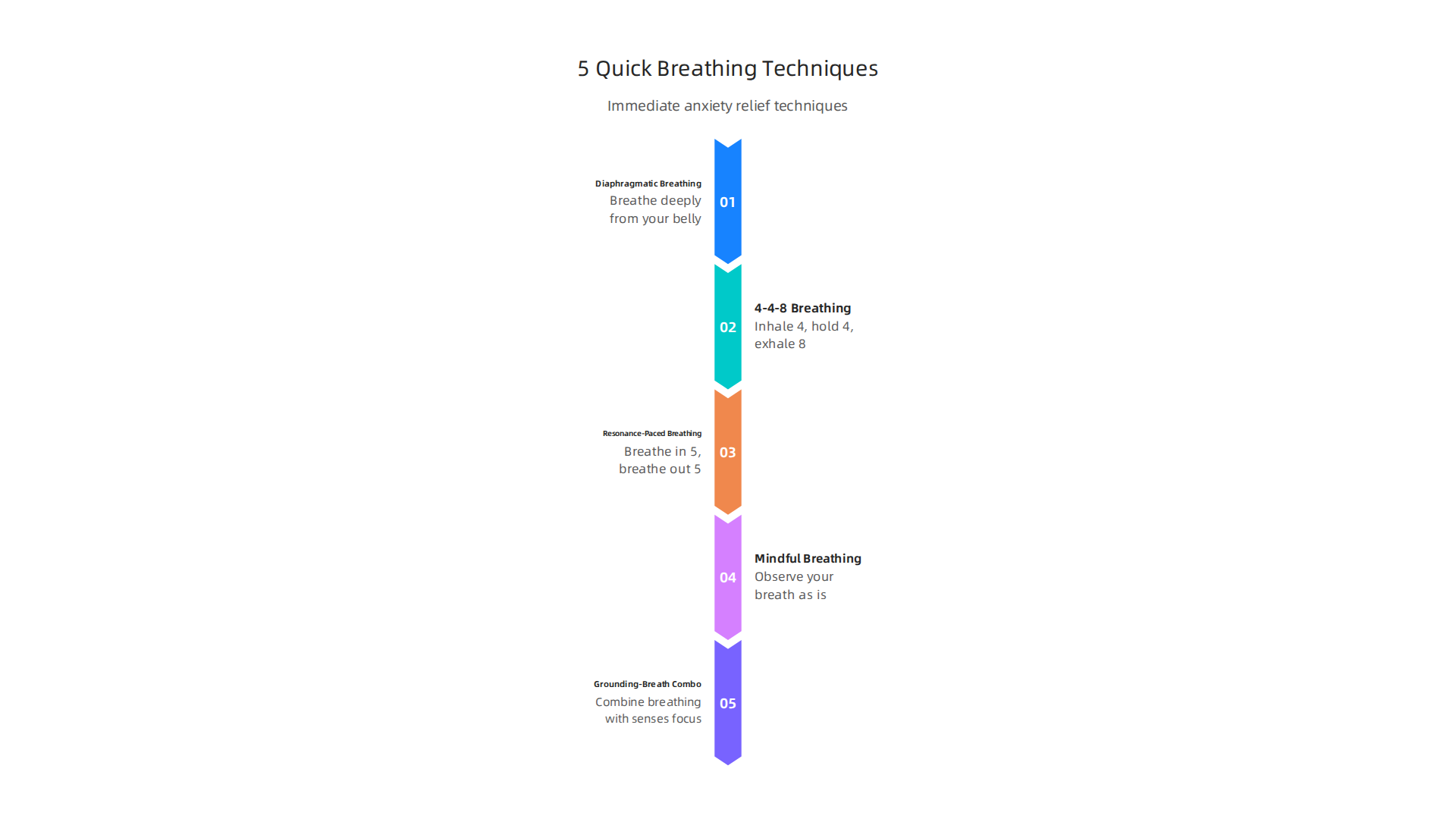
These are excellent anxiety management techniques to try.
1. Diaphragmatic Breathing (Belly Breathing)
This is the most important one. It helps you breathe deeply from your belly, not just your chest. Many studies show how helpful this kind of breathing is for easing anxiety Effectiveness of diaphragmatic breathing for reducing physiological ….
How to do it:
- Find a comfy spot: Lie down or sit up straight.
- Hand placement: Put one hand on your chest and the other on your belly, just below your ribs.
- Breathe in: Slowly breathe in through your nose for a count of 2 or 3. Feel your belly rise, pushing your hand up. Your chest should stay mostly still.
- Breathe out: Gently breathe out through your mouth, letting your belly fall. Try to make your exhale longer than your inhale.
- Repeat: Do this for 5-10 minutes. Focus on the feeling of your belly moving. Research, like the "Effect of breathwork on stress and mental health: A meta-analysis" from 2023, continues to show the positive impact of such simple breathing practices on well-being Effect of breathwork on stress and mental health: A meta- ….
2. 4-4-8 Breathing (or Box Breathing)
This technique is great for focus and quickly calming your mind. It’s often used by people in high-stress jobs.
How to do it:
- Find a comfy spot: Sit or lie down.
- Breathe in: Slowly inhale through your nose for a count of 4.
- Hold: Hold your breath for a count of 4.
- Breathe out: Slowly exhale through your mouth for a count of 8.
- Repeat: Do this 4-5 times. The longer exhale helps your body relax more.
3. Resonance-Paced Breathing
This technique aims to find your body’s natural rhythm of calm, usually around 5-7 breaths per minute. This rhythm is known to be the best way to lower blood pressure and help keep a normal blood pressure by age.
How to do it:
- Find a rhythm: Breathe in slowly for a count of 5.
- Breathe out: Breathe out slowly for a count of 5.
- Practice: Try to keep this steady pace. You can use an app on your phone that has a breathing guide to help you find your rhythm.
- Focus: Just focus on the smooth, even flow of your breath.
For more details on how these techniques affect your body, check out our guide on anxiety breathing techniques that calm your limbic system.
4. Mindful Breathing
This is less about counting and more about paying attention. It’s a simple way to bring your mind into the present moment.
How to do it:
- Get comfortable: Sit or lie down in a quiet place.
- Close your eyes: If you feel safe doing so.
- Notice your breath: Just observe your breath as it is. Don’t try to change it.
- Feel the air: Notice the feeling of the air coming into your nose, the rise and fall of your belly, and the air leaving your body.
- Gentle focus: If your mind wanders, gently bring it back to your breath. Even a few minutes can make a difference.
5. Grounding-Breath Combo
When you feel very anxious or overwhelmed, combining breathing with a grounding exercise can be very powerful. Grounding helps you feel more connected to the here and now.
How to do it:
- Start with belly breathing: Use the diaphragmatic breathing technique described above.
- Add your senses: As you breathe, notice 5 things you can see, 4 things you can touch, 3 things you can hear, 2 things you can smell, and 1 thing you can taste.
- Stay with your breath: Keep breathing deeply and slowly as you go through your senses. This helps you reconnect with your body and surroundings.
- To learn more about this, explore how to master grounding techniques for dissociation and reconnect to reality.
Choosing the Right Technique for You
It’s helpful to know which breathing technique fits best for different times:
- For quick, hidden relief: If you’re in public or a meeting, mindful breathing or a short 4-4-8 might be best. No one needs to know you’re doing it.
- For deep relaxation at home: Diaphragmatic breathing and resonance-paced breathing are wonderful for longer sessions when you can fully relax.
- When you feel very stressed: The grounding-breath combo is excellent for strong feelings of anxiety, helping you regain control and focus.
- What feels natural: The best technique is the one you actually use. Try each one to see which feels most comfortable and helpful for you.
By practicing these simple anxiety management techniques, you can start to feel more calm and in control of your body and mind. The more you practice, the easier it becomes. For a deeper understanding of how these powerful strategies work and to build them into your daily life, consider exploring how recognition systems can support your journey. Dive deeper into the concepts that help you recognize progress and reinforce positive actions.
Sometimes, life gets busy and we cannot always stop for a full, quiet breathing session. This is very true for work, school, or other public places. But here’s a good secret: you can still use quick, "hidden" breathing methods to bring yourself calm. These small acts can offer providing ease and relaxation free from pain without anyone even knowing you are doing it.
Let’s look at ways to use these quick anxiety management techniques when you are on the go.
Discrete Techniques for Work, School, and Busy Moments
When you need a quick moment of calm, you don’t always need to close your eyes or put your hands on your belly. You can do very subtle forms of breathing to help your mind and body relax. Studies show that even short, one-minute breathing exercises can help with anxiety in real-life stressful situations Simply breathing anxiety away? A pilot, just-in-time ….
1. Subtle Belly Breathing
You can do the important diaphragmatic breathing (belly breathing) in a way that others won’t notice.
- How to do it: While sitting or standing, just gently shift your focus to your belly. When you breathe in, try to feel your belly softly expand, like a balloon filling up, but just a little. When you breathe out, let it soften and go down. You don’t need to put your hand there. Just feel the gentle movement inside. This small shift can help lower stress. Research supports the benefits of deep breathing exercises even in work settings Deep breathing exercise at work: Potential applications and ….
2. Paced Exhale Focus
This is another simple trick. The longer your exhale is compared to your inhale, the more your body will relax.
- How to do it: Slowly breathe in for a count of 2 or 3. Then, slowly breathe out for a count of 4 or 6. You can do this quietly through your nose or with a soft, gentle breath out through your mouth. No one needs to hear you count. Just the thought of a longer exhale tells your body to calm down, helping with anxiety management techniques.
3. Seated Grounding with Breath
When you feel overwhelmed, connecting with your surroundings while breathing can bring you back to the present.
- How to do it: While sitting in a chair, gently press your feet onto the floor. Feel the ground beneath you. Notice the weight of your body on the chair. As you breathe slowly and deeply, focus on these feelings. You can also pick one small thing to look at nearby, like a pencil or a picture, and just notice its details while you breathe. This helps you feel connected and present. If you’re looking for an app to help guide you through these moments, consider how a science-backed tool can assist you. Explore how the Iceblock app is a science-backed breathwork tool for anxiety relief and focus.
How to Make These Techniques a Part of Your Day
Making these small breathing habits stick is easier than you think. You can use a method called "habit stacking," which means adding a new small action to something you already do every day. This is one of the 10 Ways to Build a New Habit in 2026 (Backed by Science).
- Cues: Choose a moment you do every day, like:
- After you send an email.
- Before you pick up the phone.
- While you wait for your coffee to brew.
- Before you walk into a meeting.
- While waiting for a school class to start.
- Timing: These are "micro-practices," meaning they only take 30 seconds to 2 minutes. The idea is to make them so quick and easy that you can’t say no. This aligns with the "2-minute rule" for starting new habits, as discussed in 2026 Latest Scientific Methods for Habit Formation.
- Quick Self-Checks: Gently ask yourself: "Am I breathing from my chest or my belly?" or "Can I make this exhale a bit longer?" This helps you stay aware without needing a big pause.
- No Stigma: Think of these as your personal little tools for staying calm, just like drinking water or stretching. Everyone needs ways to manage stress. This kind of consistent practice can truly make a difference in providing ease and relaxation free from pain.
By building these tiny breathing habits into your routine, you can manage daily stress and anxiety more effectively. These simple strategies offer a personal pathway to better well-being, no matter how busy life gets. It’s about giving yourself little breaks of calm throughout the day.
For more helpful insights on building positive habits and normalizing practical wellness strategies, check out this piece in Authority Magazine.
If you’re interested in how these kinds of interventions can support younger people, especially in settings like school, exploring real-world applications can be very helpful. Discover our Youth Safety Case Study.
Turning Quick Relief into Lasting Ease: Building a Low‑Effort Practice Habit
Making these tiny breathing habits a steady part of your life means using some smart tricks. It’s not about being super motivated all the time, but about setting yourself up for success. This is where behavioral science comes in, helping us create practices that truly offer providing ease and relaxation free from pain.
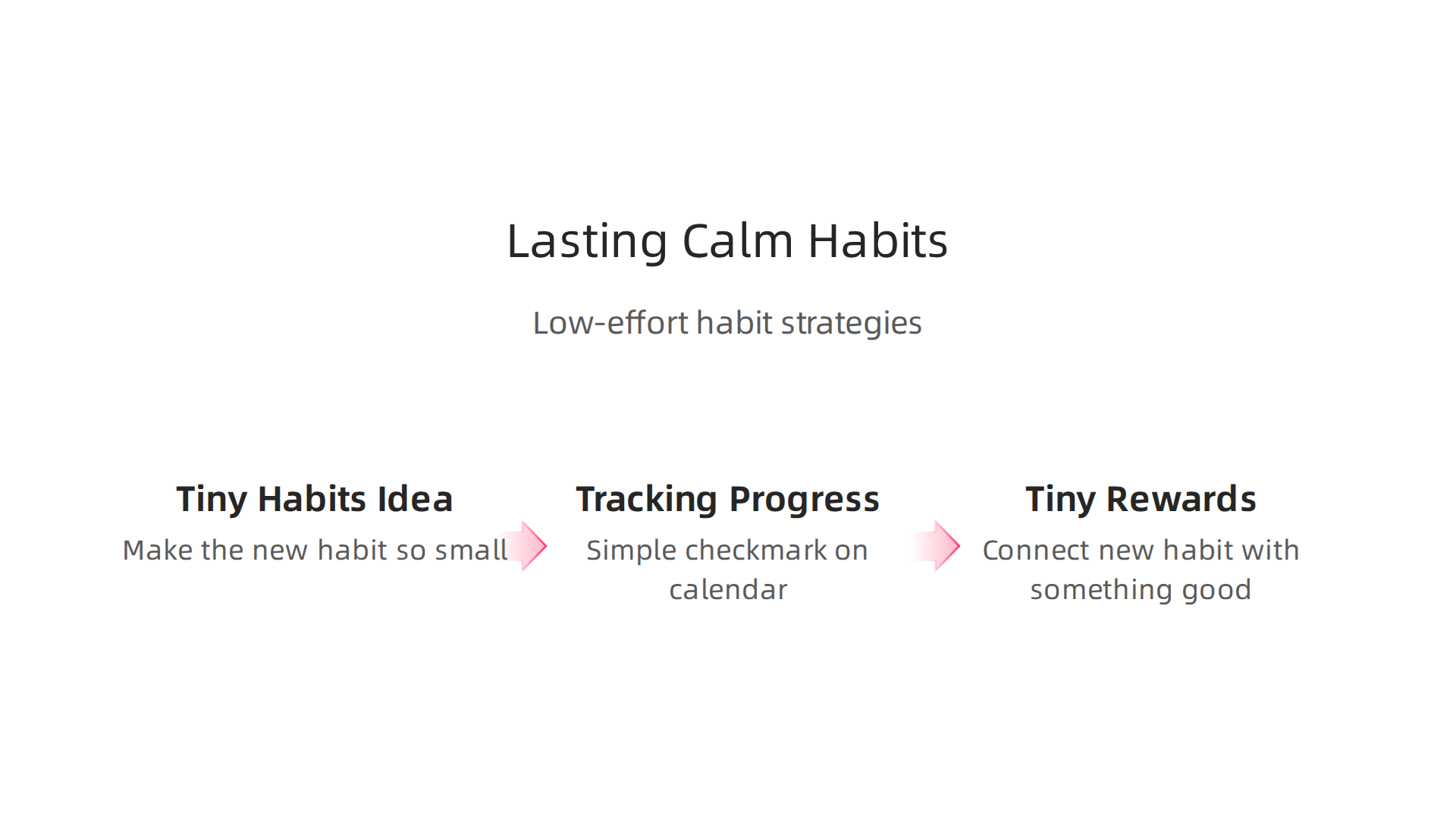
First, remember the "tiny habits" idea. When you start, make the new habit so small that it feels silly not to do it. For example, instead of saying, "I will meditate for 10 minutes," say, "I will take three slow breaths after I wash my hands." This "2-minute rule" says that if a new habit takes less than two minutes, you’re more likely to start it and keep it going. This approach is highly effective for building lasting changes, as noted in many studies on Habit Formation & Behavior Change: Wellness Tips (2026). When you make a habit this small, it removes the pressure and makes it feel easy to begin.
Another powerful way to make habits stick is by tracking them. This doesn’t have to be complicated. You can use a simple checkmark on a calendar, an app on your phone, or even a small note in a journal. Just seeing your progress builds a sense of accomplishment. Research shows that tracking your progress and visualizing your streak can greatly help in How to Build Habits That Stick This New Year: The Science …. This visual reminder helps you stay consistent and keeps the good feeling going.
It’s also helpful to give yourself a tiny reward right after you do the habit. The reward doesn’t have to be big. It could be a quiet "Good job!" to yourself, a sip of your favorite tea, or even just noticing how much calmer you feel. This positive feeling helps your brain connect the new habit with something good, making you want to do it again. This kind of positive reinforcement is a key part of behavioral design for sustained symptom reduction, helping with overall anxiety management techniques. Many successful 10 Small Daily Habits That Actually Work in 2026 (Backed …) use this exact strategy, showing how these small steps can make a big difference. Behavioral triggers and designing your surroundings also play a big role in forming daily habits that actually work, according to science-based guides from 2026 Daily Habits That Actually Work 2026: Science-Based….
By focusing on these practical steps like starting tiny, stacking habits, tracking progress, and giving yourself small rewards, you can turn quick moments of calm into a lasting way of life.
This consistent practice is key to reducing stress and can even play a role in maintaining a healthy blood pressure chart by age and gender. It’s all about designing your day so that well-being isn’t an uphill battle, but a natural flow, providing ease and relaxation free from pain.
If you’re interested in learning more about the scientific foundation behind these behavioral strategies and how they are applied in wellness, exploring academic resources can be insightful. You can often find detailed studies and profiles of researchers who work on these topics. For example, looking into Google Scholar (UC Irvine) can lead you to relevant research. For further exploration of academic profiles and companion resources, consider checking ResearchGate.
Safety, When to Seek Professional Help, and Common Pitfalls
While making breathing exercises a regular part of your day can bring great peace and help with anxiety management techniques, it’s important to know when they might not be enough. These techniques are powerful tools for providing ease and relaxation free from pain, but they aren’t a fix for every problem. Sometimes, you need to reach out for more help.
When Breathing Exercises Aren’t Enough: Red Flags
It is really important to know the signs that you might need professional help.
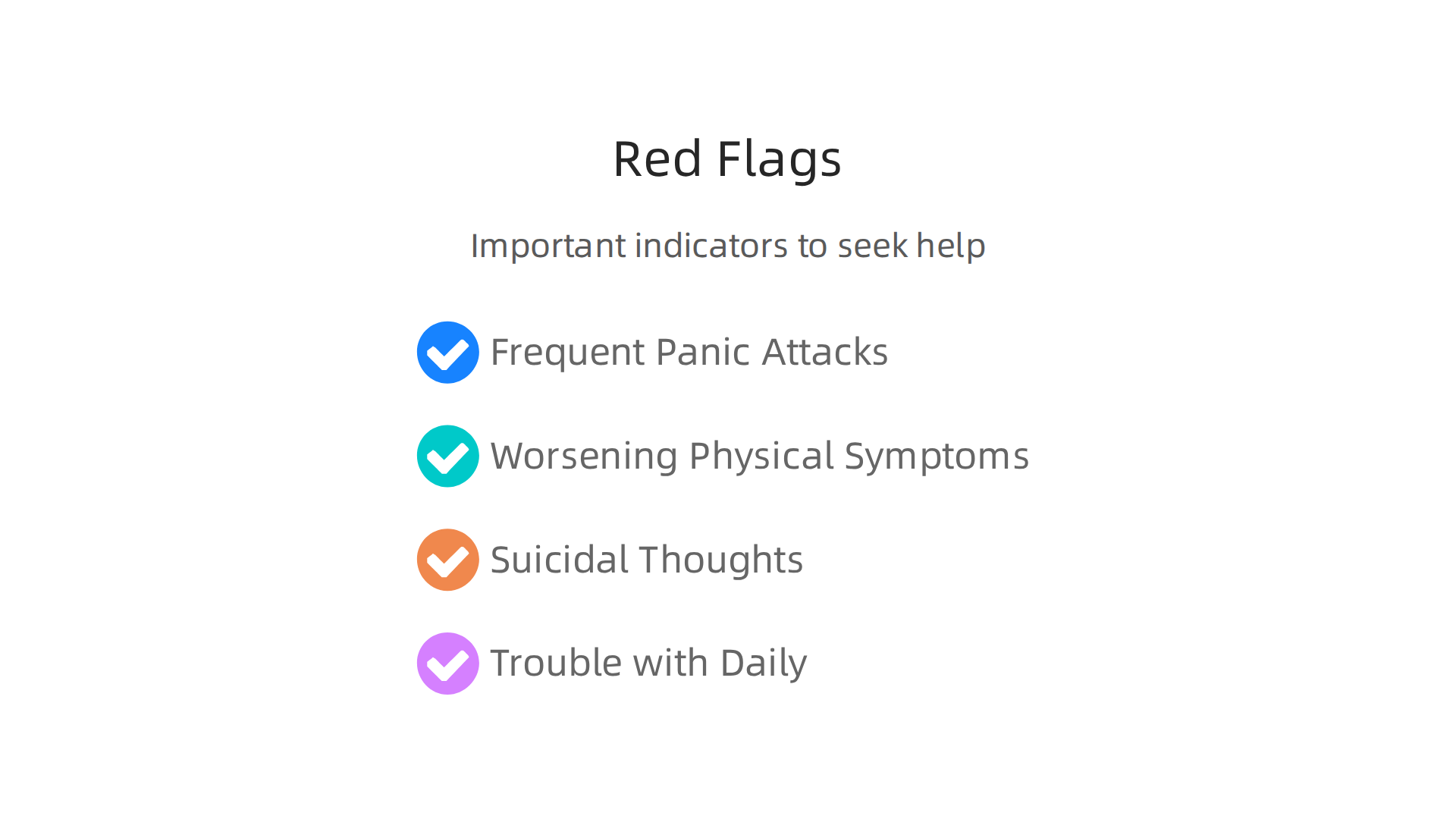
Breathing exercises are a wonderful starting point, but they should not be your only answer if you are facing serious challenges. Look out for these clear red flags:
- Frequent Panic Attacks: If you find yourself having panic attacks very often, and the breathing exercises don’t seem to help much, or the attacks get worse, it’s a sign to seek professional care.
- Worsening Physical Symptoms: Anxiety can cause many physical symptoms. However, if you notice your physical symptoms are getting worse, like severe chest pain, extreme dizziness, or ongoing problems with your heart rate, it is crucial to talk to a doctor. These symptoms could be from anxiety, but they might also point to other medical issues that need checking out. Remember, the physical symptoms of anxiety and depression are not just in your head and deserve attention.
- Suicidal Thoughts or Feelings of Hopelessness: If you ever have thoughts of hurting yourself, or feel deeply hopeless and that things will never get better, you need immediate professional help. Please reach out to a mental health professional or a crisis hotline right away.
- Trouble with Daily Life: If stress or anxiety makes it hard for you to go to work, school, or even do simple daily tasks, then you should seek support.
For any of these serious concerns, don’t hesitate to look for qualified help. You can often find a community mental health center for affordable care in your area.
Common Mistakes and How to Practice Safely
Even with simple breathing techniques, it’s possible to make mistakes that can actually make things worse. Knowing these pitfalls helps you practice safely and get the most benefit.
- Over-breathing or Hyperventilating: This is a big one. Breathing too quickly or too deeply can actually trigger anxious feelings instead of calming them down. When you hyperventilate, your body gets too much air and it can make you feel more anxious, according to the Breathing Retraining for Adults guide from SAMHSA. It can signal your body to prepare for danger. Many health guidelines, like the Emergency Medical Services Protocols (v2026.02), recommend avoiding aggressive hyperventilation. Remember, the goal is gentle, slow breathing that feels easy, not fast or forced. If you’re feeling breathless, there are specific trouble breathing from anxiety techniques that can help.
- Ignoring Medical Causes: As mentioned, sometimes physical symptoms of anxiety, like a fast heart rate or changes in blood pressure, could have other medical reasons. While breathing exercises can help lower blood pressure when anxiety strikes, they are not a substitute for a doctor’s visit to understand your [normal blood pressure by age] or any underlying health issues. Always check with a healthcare provider if you have new or worsening physical symptoms.

- Expecting a Quick Fix for Everything: Breathing exercises are a powerful tool for self-care and can offer immediate calm. However, for deep-seated anxiety, trauma, or chronic stress, they are best used as part of a larger plan. A 2013 review suggested that there is currently no strong evidence about how well breathing exercises work for certain clinical symptoms of hyperventilation syndrome, meaning they may not be a complete solution for everyone facing complex issues, as explained in research from PubMed. It’s about ongoing effort and sometimes needing help from professionals.
By being aware of these points, you can use breathing techniques more wisely and ensure you’re getting the right kind of support for your well-being.
Summary
This article explains why anxiety often feels physical and shows simple, science-backed breathing and body techniques that bring fast relief. It describes how the autonomic nervous system creates the fight-or-flight response and how slow, diaphragmatic breathing activates the parasympathetic