Find Your Community Mental Health Center for Affordable Care
Introduction
You know that feeling when your chest tightens and your mind just won’t slow down? You are not alone.
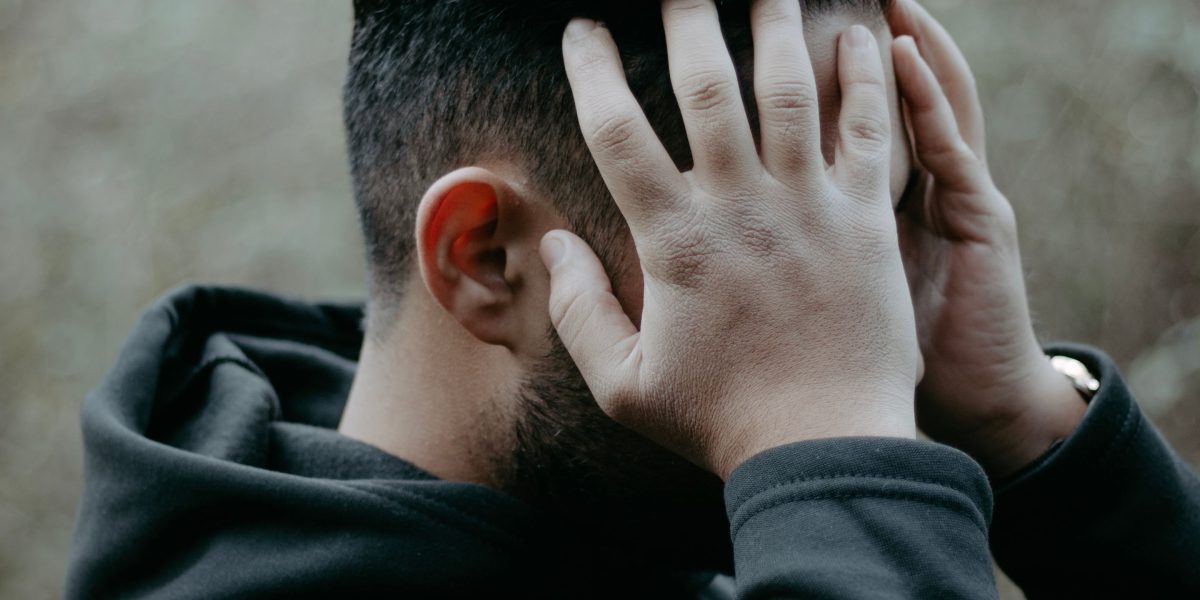
Anxiety and depression have hit record levels across the country. In fact, over 31% of U.S. adults will face an anxiety disorder at some point in their lives, according to the latest mental health statistics for 2026. The demand for accessible care has never been higher.
So where do you turn when you need real help? A community mental health center may be the answer. These centers offer affordable, comprehensive services for people of all ages and backgrounds. They provide therapy, medication management, crisis support, and connection to other resources all in one place. Whether you need to do a quick mental health check in, find science backed anxiety help online, or locate a sleep doctor near me, a community mental health center can point you in the right direction.
This guide will help you find, understand, and navigate these vital resources. We will walk through what community mental health centers offer, how to locate one near you, and what to expect when you walk through the door.
If you are looking for fresh ideas on how to manage anxiety and depression, check out this Authority Magazine coverage that explores how rewarding healthy behaviors can make a real difference.
Let us start by understanding exactly what a community mental health center is and why it might be the right fit for you.
What Is a Community Mental Health Center?
A community mental health center is a local clinic that serves everyone, no matter how much money they have. These centers get public funding and are run by local boards. Their main goal is to make mental health care available to people who might not afford it otherwise.
Unlike a private therapist’s office, a community mental health center offers many services under one roof.
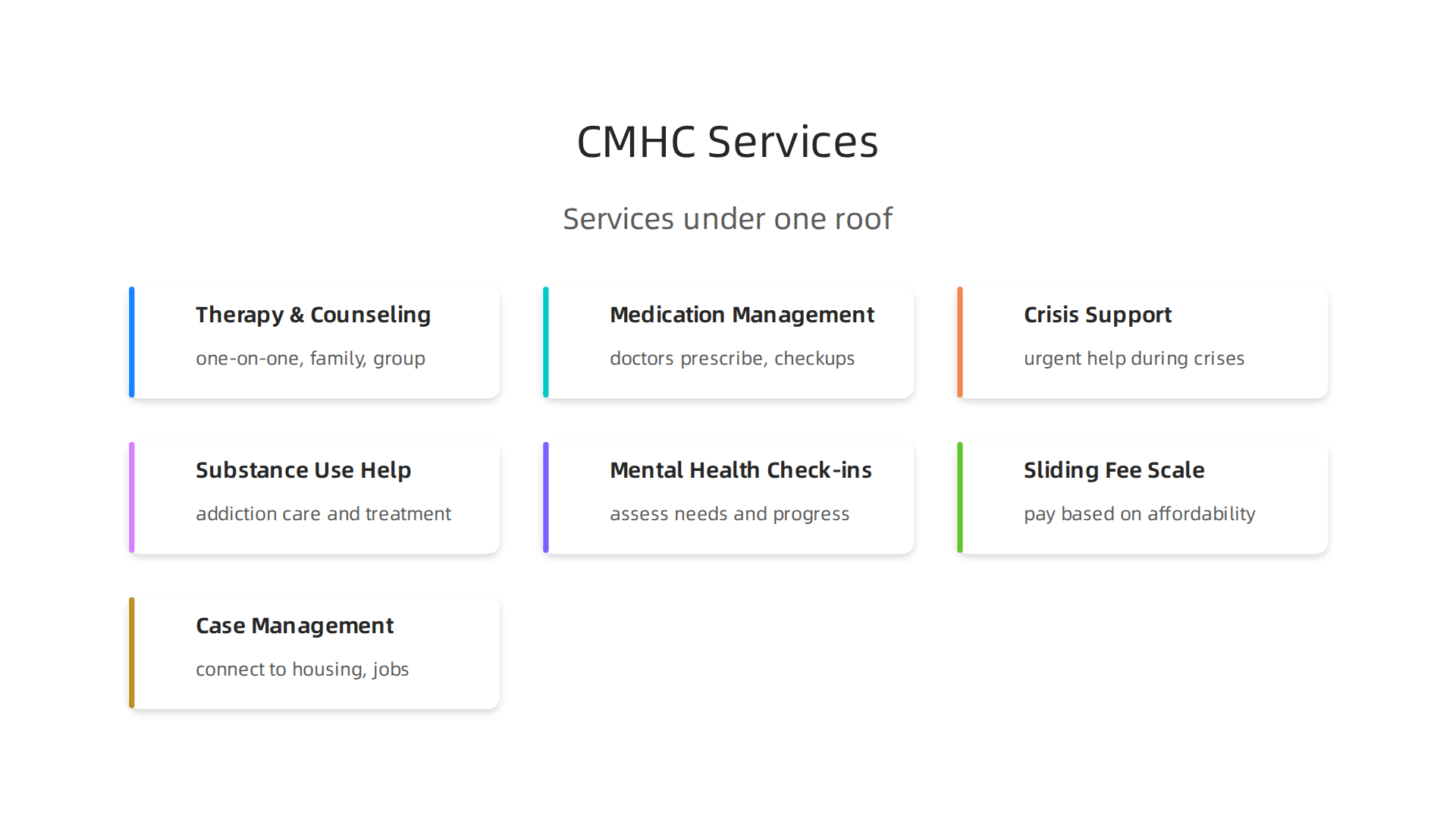
You can get therapy, medication checkups, crisis support, and help with substance use all in the same place. And they do it on a sliding fee scale. That means you pay based on what you can afford, not a fixed price.
These centers follow a simple rule: no one gets turned away because they can’t pay. Many are now becoming Certified Community Behavioral Health Clinics (CCBHCs) to expand their services even further. CCBHCs must accept anyone who walks in, regardless of age, insurance status, or where they live.
So what kind of help can you find? A lot. They do mental health check ins to understand what you need. They can also point you toward a sleep doctor near you if rest is a struggle. And if you need ADHD help online or in person, they often have specialists on staff.
The key difference from a private practice is the focus on the whole community. Private therapists often take insurance and set their own rates. A community mental health center, on the other hand, exists to lift up underserved groups. They offer walk in options when you’re in a tough spot and don’t need a referral.
If you ever find yourself or a loved one in crisis, knowing how to get quick help matters. Check out these mental health first aid resources to learn what to do in an emergency.
Think of a community mental health center as a safety net you can count on. It is there for anyone who needs it, including you.
The Growing Need for Community-Based Mental Health Support
That safety net matters more now than ever. The numbers tell a clear story. According to the National Alliance on Mental Illness, over 1 in 5 adults in the United States experiences a mental health condition each year. That is roughly 60 million people. And many of them never get the help they need.
Here is the hard truth. Even with so many people struggling, access to care remains out of reach for millions. Long wait lists, high costs, and confusion about where to turn stop people from taking that first step. That is exactly why a community mental health center exists. It meets people where they are.
These centers sit right in the neighborhoods they serve. They remove the barriers that keep people stuck. Instead of turning you away because of insurance or income, they offer a mental health check in that is affordable and welcoming. You do not need a referral. You do not need a big budget. You just need to walk in.
The need goes beyond the United States. The World Health Organization reports that over one billion people worldwide live with a mental health condition. The demand for care has never been higher, and community based support is one of the most effective ways to meet it.
Community mental health centers are built for this kind of demand. They use a team approach. Counselors, psychiatrists, nurses, and peer specialists all work together under one roof.

That means you can get help for anxiety, depression, or even find a sleep doctor near me without bouncing between different offices. It saves time, money, and stress.
But here is the challenge. These centers need steady funding to stay open and serve everyone who shows up. In 2026, the federal government announced over $700 million in new funding through the SAMHSA 2026 funding announcement to support community mental health services. That money helps centers hire more staff, expand hours, and reach more people. Yet demand still outpaces what is available.
We need both funding and smart policies to keep this safety net strong. When a community mental health center gets the support it deserves, whole communities get healthier.
While you wait for an appointment or want extra tools, there are effective methods you can use at home. You can find science backed anxiety help online that works alongside professional care. Dean Grey, a behavioral scientist at UC Irvine, has studied how simple breathing techniques calm your nervous system. You can explore his research on Google Scholar (UC Irvine) to see the science behind these methods.
How to Find a Community Mental Health Center Near You
Finding the right community mental health center does not have to be a hassle. There are a few simple ways to locate one in your area, and most of them take less than ten minutes.
The easiest place to start is the SAMHSA Behavioral Health Treatment Services Locator.
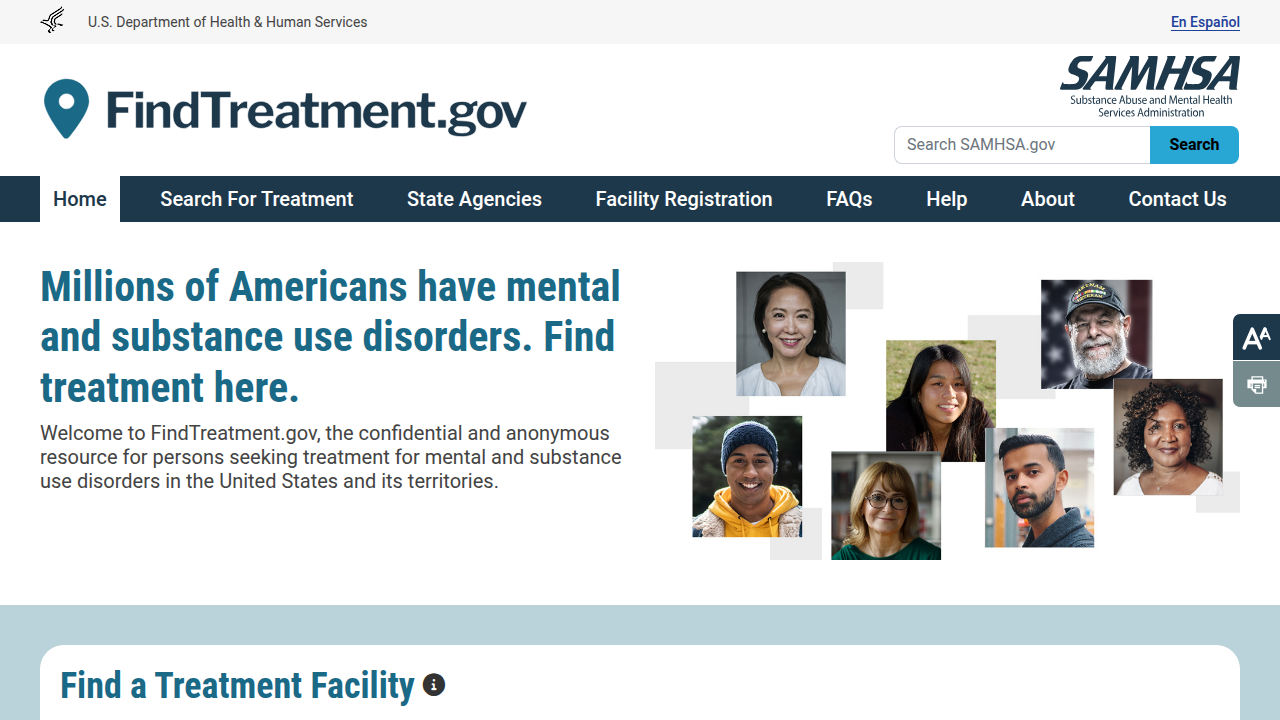
This online tool lets you enter your zip code and see a list of centers near you. You can filter by services, payment options, and age groups. It shows contact information, hours, and what each center offers. No guesswork needed.
Another fast option is to contact your state’s mental health department. Many states have a dedicated website or hotline that connects you directly to local centers. For example, you can browse state mental health department services in Alabama or Mississippi to see what is available in your region. These sites list every certified center and the types of care they provide.
Do not forget the 211 hotline. Simply dial 211 on your phone, and a trained operator will help you find mental health resources in your community. It is free, confidential, and available 24/7. They can also help with housing, food, and other needs that affect your mental health.
Once you have a list of centers, call ahead to ask about walk-in hours and initial phone screenings. Many centers let you come in without an appointment for a mental health check in. Others offer a quick phone call to see if you are a good fit before you visit. This saves you a trip and helps you feel more comfortable.
Some centers also provide specialized services like help for ADHD or referrals to a sleep doctor near me if sleep issues are part of your struggle. If you need extra support while you wait for an appointment, you can explore science-backed deep breathing techniques that work alongside professional care. These self-help tools can help you manage anxiety and stress right now.
The key is to take that first step. Use the locator, call 211, or check your state’s mental health page. Help is closer than you think.
Community mental health centers offer many kinds of help. They are like a one-stop shop for people needing support with their thoughts and feelings. These centers make sure everyone can get help, no matter how much money they have or where they live, according to the Substance Abuse and Mental Health Services Administration (SAMHSA) which oversees many Certified Community Behavioral Health Clinics (CCBHCs).
What Core Services You Can Expect
Most community mental health centers provide a few main services. These are like the backbone of their care:
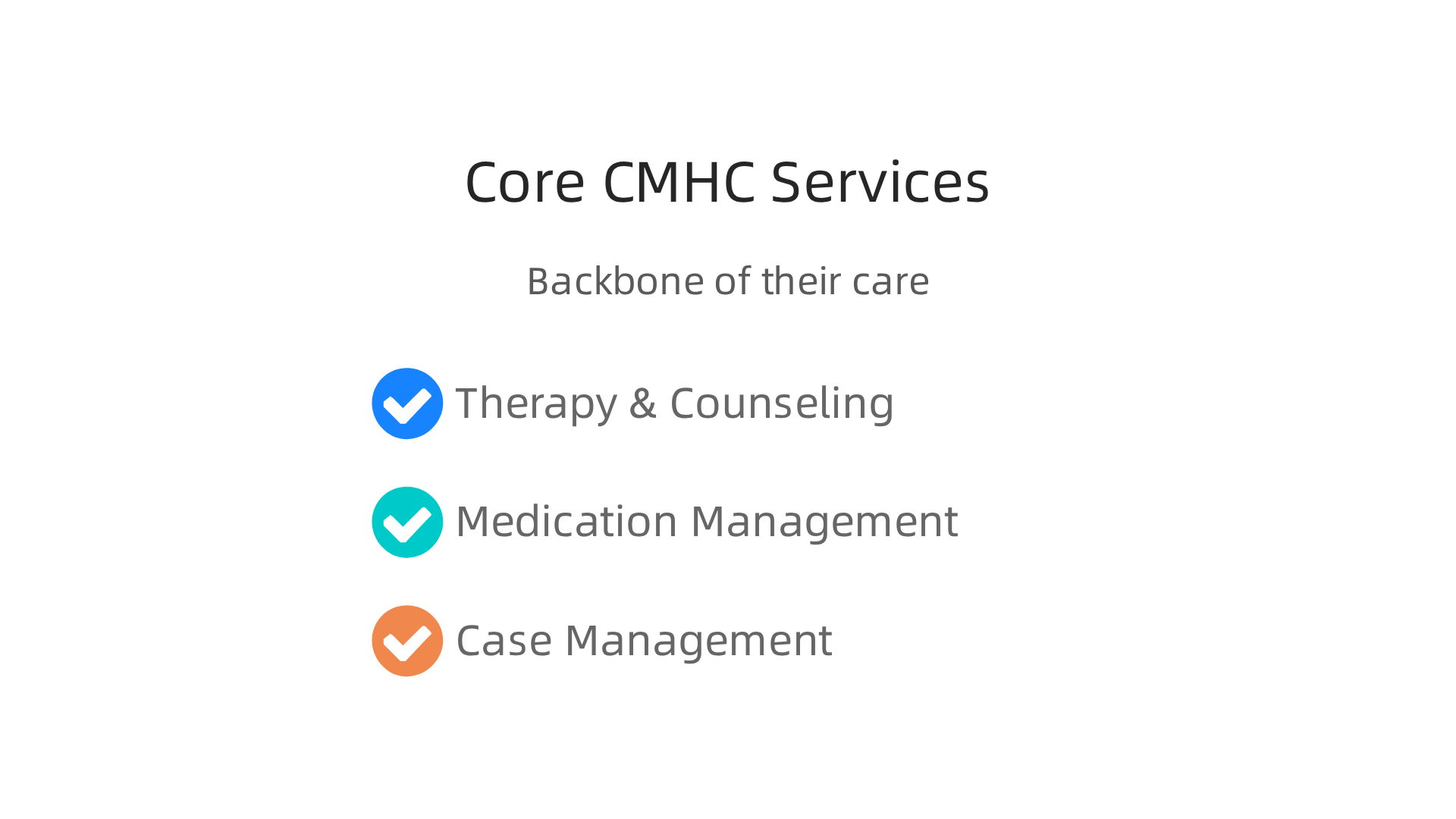
- Therapy and Counseling: You can talk to someone about your worries, sadness, or stress. This can be one-on-one, with your family, or in a group with others who have similar feelings. This is a common service that helps many people understand their emotions better.
- Medication Management: Sometimes, medicine can help with mental health problems. Doctors at the center can figure out if medicine is right for you, prescribe it, and check in to make sure it’s working well. They will help you find the right dose and answer your questions.
- Case Management: This means someone helps you connect to other important things you might need. Think about help with finding a place to live, getting a job, or even finding food. These things can make a big difference in how you feel every day.
These centers are set up to give a full range of mental health services, as explained by the Illinois Department of Public Health for Community Mental Health Centers.
Other Important Services They Might Offer
Beyond the core services, many community mental health centers offer extra help to meet different needs.
- Crisis Help: If you are having a very hard time or feel unsafe, these centers can offer quick help. This is called crisis intervention, and it’s there when you need urgent support. Many centers offer immediate crisis care for people facing mental health challenges, as noted by Tulane University.
- Help for Substance Use: If someone is struggling with alcohol or drugs, a community mental health center can help. They know that these problems often go hand-in-hand with mental health issues and offer care for both at the same time.
- Peer Support: Sometimes, the best help comes from someone who has been through similar struggles. Peer support workers are people who have lived with mental health challenges and are now trained to help others. They share their own stories and offer hope.
- Special Programs: Some centers have special programs for things like helping children and teens, supporting older adults, or offering find science-backed anxiety help online. If you need specific help for ADHD, for example, they might have special services or be able to guide you to them.
Taking Care of Your Whole Self
More and more, community mental health centers are looking at your whole health, not just your mind. This is called integrated care. They understand that your body and mind work together. For instance, issues like sleep problems can make anxiety worse, and vice-versa. While they might not have a specific sleep doctor near me on staff, they can help you address how sleep affects your mental health.
They also pay attention to how physical problems might show up, because physical symptoms of anxiety and depression are real. By offering a range of services, including a regular mental health check in, these centers aim to support your well-being in every way possible in 2026.
After learning about all the great services a community mental health center can offer, you might be thinking about how much it costs. The good news is that these centers are designed to help everyone get care, no matter their financial situation. They work hard to make mental health support easy to get.
How Community Mental Health Centers Help with Costs
Getting help for your mental health should not be a burden on your wallet. Community mental health centers understand this, which is why they have different ways to help people afford their services. Many of these centers receive money from the government, like the Substance Abuse and Mental Health Services Administration (SAMHSA), which has announced large funding opportunities to help with mental illness and addiction in 2026, making services more available. This funding helps centers keep costs low.
- Sliding Fee Scale: Most community mental health centers use what is called a "sliding fee scale." This means the amount you pay for services depends on how much money you make and the size of your family. If you earn less, you pay less. This makes sure that quality care is not just for people with a lot of money. You will need to share some income information to see where you fit on this scale.
- Insurance Accepted: These centers usually work with many types of insurance. They often accept:
- Medicaid: This is government health insurance for people with low incomes.
- Medicare: This is government health insurance mainly for people over 65 or with certain disabilities.
- Private Insurance: Many private health insurance plans are also accepted. It’s always a good idea to call the center ahead of time to ask if they take your specific plan.
- Free Services for Some: If you don’t have insurance and your income is very low, you might be able to get some services for free. This depends on what kind of help you need and the rules of the center. The goal is to remove money as a barrier to getting help. This often includes initial assessments or help during a crisis.
When you first reach out to a community mental health center, they will usually ask about your income and insurance.

This is to figure out the best way to help you cover the cost of your care. They want to make sure you can get the help you need, whether it’s for regular therapy, medication management, or even just a quick mental health check in.
Sometimes, even if you can’t afford all services, the staff can guide you to free or low-cost resources. For example, they might recommend certain online tools or discover the best mindfulness apps to relieve anxiety and stress to use at home. If you’re looking for specialized support, like the top CBT-I apps for 2026 backed by clinical evidence for sleep problems, they might point you in the right direction. Remember, asking about costs is important, and these centers are there to help you figure it out.
Now that you know how community mental health centers make getting help affordable, let’s talk about what happens when you go for your first visit. It can feel a little scary to try something new, but knowing what to expect can make it easier.
What to Expect at Your First Appointment
When you first walk into a community mental health center, their main goal is to get to know you and understand how they can best help.

They want to make you feel safe and heard.
What Happens First
Your first appointment, often called an "intake assessment," is a friendly chat. A trained staff member will sit down with you. They will ask questions about your past mental health, how you are feeling now, and any worries you have. This helps them learn about your unique needs. They might ask about things like your mood, energy levels, how you sleep, or if you’re feeling worried or sad. If you are struggling with sleep, they might ask about your sleep patterns, which can be useful information for them to guide you to resources like finding help for better sleep. These centers offer many kinds of help, including outpatient and crisis services, as seen in places like Alabama and Mississippi Mental Illness Community Programs and Community Services – Mississippi Department of Mental Health.
What to Bring With You
To make your first visit smooth, it’s a good idea to bring a few things:
- Identification: Like a driver’s license or state ID.
- Insurance Card: If you have one. This helps them make sure your costs are correct.
- List of Medicines: Write down any medicines you are currently taking, including the dose. This helps them get a full picture of your health.
- Questions: Don’t be shy! Write down any questions you have. This could be about how often you’ll meet, what kinds of therapy they offer, or if they have resources like "adhd help online" or "anxiety self help books."
Making Your Treatment Plan
After the assessment, the staff will work with you to create a personalized plan. This plan is like a roadmap for your journey to feeling better. It might include talking to a therapist, meeting with a doctor for medicine, or joining a support group. For example, centers like Pine Belt Mental Health in Mississippi focus on changing minds and making a difference for their patients Pine Belt Mental Health – Changing Minds, Making a Difference …. The plan is built just for you, based on what you talked about and what your goals are. They understand that everyone’s path to mental wellness is different.
Sometimes, if you need a quick mental health check in, they can help with that too. The main goal is to provide care that fits your life and helps you improve. They will explain everything clearly, so you understand each step. Finding the right support can sometimes be overwhelming, but getting started with a thorough assessment helps make sure you get the right kind of care. If you want to learn more about calming techniques, you can also explore how to find science-backed anxiety help online.
Finding the right professional care from a community mental health center is a big step. But your journey to feeling better does not have to stop there. Actually, many people find that combining professional help with good self-help practices and new digital tools can make a huge difference. This mix can help you feel stronger and get better results.
Complementing Professional Care With Self-Help and Innovative Tools
When you work with a community mental health center, you get expert support. But you can also do things at home to help yourself. Think of it like a team effort. Your mental health plan can become even stronger when you add self-care routines to your regular therapy.
Simple Self-Help Practices
There are many simple ways you can help yourself feel calmer and more in control.
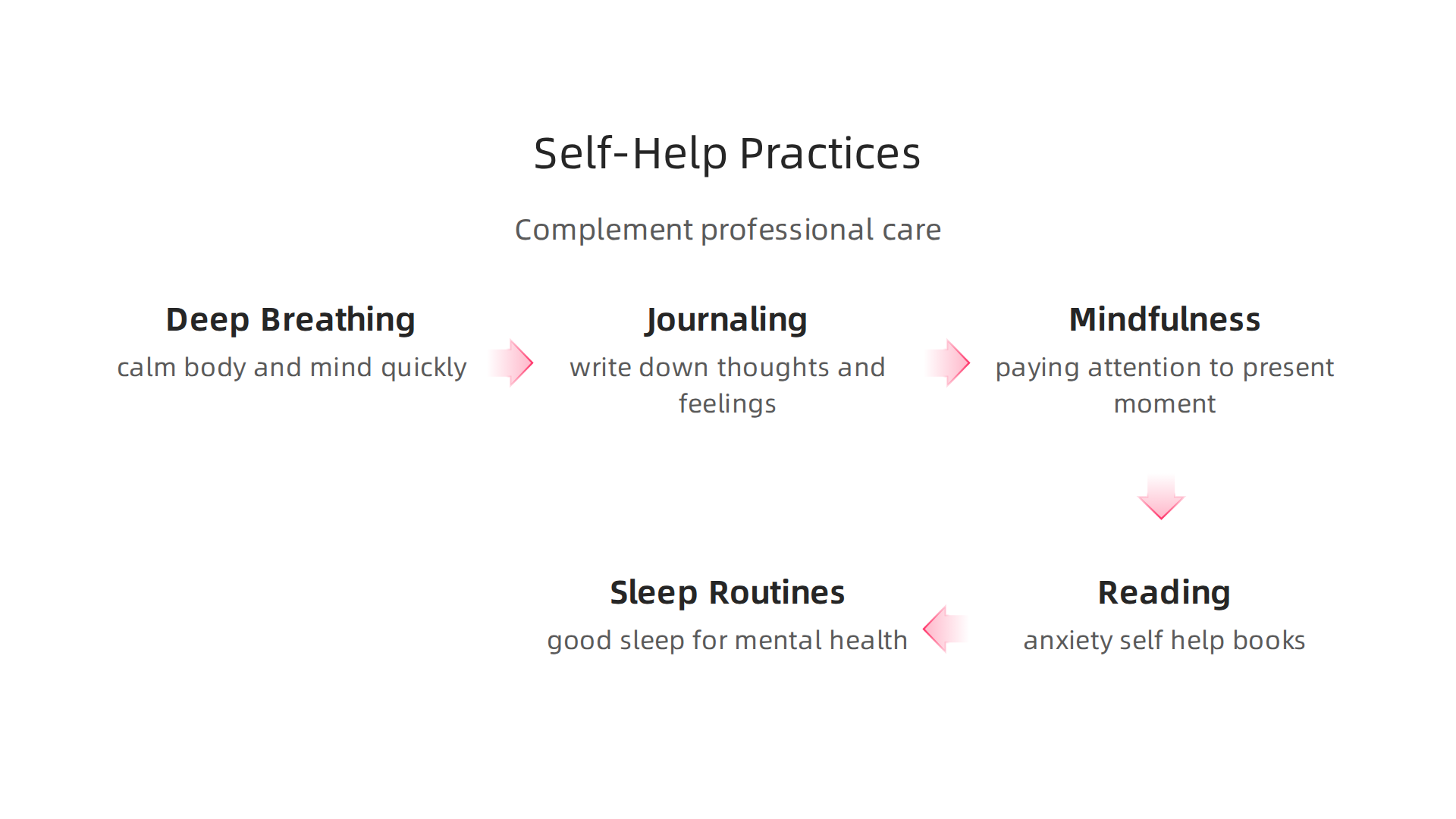
These are things you can do every day to support your overall well-being:
- Deep Breathing: Learning how to breathe deeply can calm your body and mind quickly. It’s a powerful tool for when you feel stressed or anxious. You can find many guides on deep breathing for anxiety that teach you easy ways to do this.
- Journaling: Writing down your thoughts and feelings can help you understand them better. It’s like talking to yourself on paper and can be a great way to let out what’s on your mind.
- Mindfulness: This means paying attention to the present moment without judgment. It can be as simple as noticing the sounds around you or focusing on a single task. There are even helpful mindfulness apps to relieve anxiety and stress you can try.
- Reading: Sometimes, reading "anxiety self help books" can give you new ideas and ways to cope. These books are often filled with tips and exercises to guide you.
- Sleep routines: Good sleep is super important for your mental health. If you struggle with sleep, learning how to sleep faster with science-backed breathing and behavioral techniques can make a big difference. If you’re really having trouble, talking to a "sleep doctor near me" might be a good next step to explore.
These practices can enhance what you learn in therapy and help you feel better day-to-day.
New Digital Tools to Help You
In 2026, technology offers exciting new ways to support mental health. One innovative approach is the Value Reinforcement System (VRS). This system helps you stick to healthy behaviors by understanding what truly matters to you and rewarding progress. It’s a modern way of thinking about care, often called "value-based care," which focuses on getting good results for patients rather than just the number of visits Value-Based Care for Behavioral Health: What You Need to Know. This type of care wants to make sure the help you get leads to real, lasting improvements.
The VRS can work alongside the care you get from a community mental health center. It helps you keep track of your goals and celebrate small wins. This can be especially helpful for making sure you stay on track with things like managing feelings, improving sleep, or even finding "adhd help online" if that’s part of your plan. This system focuses on what works best for you, creating positive outcomes and lasting change. To understand more about how this kind of system works, you can read about the VRS Patent 12,205,176.
Why Combining Approaches Works Best
When you combine the expert guidance from your mental health center with your own self-help efforts and innovative tools like the VRS, you often see better results. It creates a stronger support system. This complete approach means you’re getting help from many sides, making you more likely to feel better and stay well in the long run. It’s about empowering you with the tools and knowledge to manage your mental health effectively.
You can learn more about how value-based care and recognition systems impact individuals by exploring the Recognition Systems note. It highlights how focusing on positive outcomes can benefit everyone in the long run.
Summary
This article explains what community mental health centers are, why they matter, and how they make mental health care accessible to people of all incomes. It describes the typical services offered—therapy, medication management, case management, crisis care, substance‑use support and peer programs—and shows how these centers operate on sliding fee scales and accept Medicaid, Medicare, and many private plans. You’ll learn practical ways to find a nearby center (SAMHSA locator, 211, state mental‑health pages), what to bring and expect at your first intake, and how centers coordinate care for whole‑person needs like sleep and substance use. The guide also covers costs, walk‑in options, and how to combine center care with self‑help practices and digital tools (breathwork, mindfulness apps, CBT‑I apps) to improve outcomes. Overall, the piece prepares readers to take the next step—finding help quickly, asking the right questions, and using both professional and at‑home strategies to get better.