Free Sleep Sounds for Deeper Rest and Less Anxiety
Introduction
Do you ever lie in bed with your eyes closed, but your brain just won’t shut off? You are not alone. Millions of people struggle with sleep onset anxiety and restlessness every single night.
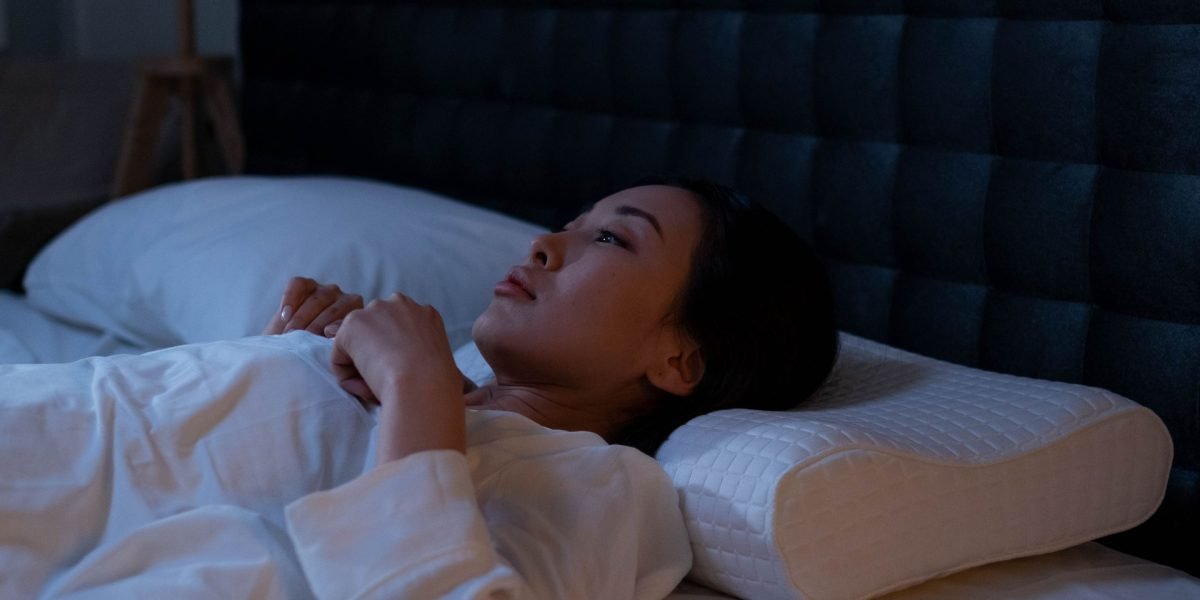
The quiet hours stretch on, and the harder you try to fall asleep, the more awake you feel.
Recent research shows that screen use at night can raise the risk of insomnia and shorten sleep. Each extra hour of screen time after going to bed is linked to a 59% higher chance of having insomnia symptoms. Many of us keep our phones nearby, hoping a video or app will help us drift off. But the blue light and endless scrolling often make things worse.
Here is the good news. You do not need expensive gadgets, fancy subscriptions, or complicated routines to get better rest. Free sleep sounds offer a simple, accessible solution that works for many people. In fact, sound-based treatments have been shown in studies to effectively reduce both mental and physical symptoms of anxiety. And the best part? You can start tonight with nothing more than your phone and a pair of headphones.
This guide will curate the best sleep sounds free resources available in 2026. We will explain the science behind why certain sounds calm your nervous system. And we will show you how to use them for deeper, more restorative rest. Whether you have tried everything or are just starting to explore audio tools, this guide is for you.
If you have already tried listening to random tracks without much luck, you might benefit from understanding the science first. Check out our guide on relaxing music for sleep to see how tempo and rhythm play a role in calming your mind.
The Science of Sleep Sounds: How Audio Shapes Your Brainwaves
Have you ever noticed how the steady sound of rain can make you feel drowsy, but a single dripping faucet keeps you tossing? The difference comes down to how your brain processes sound. Sleep sounds work through two main pathways: auditory masking and neural entrainment.
Auditory masking is straightforward. Your brain evolved to notice sudden noises because they could mean danger. A car backfiring or your partner shifting in bed can yank you out of deep sleep. Consistent background sound, like white noise or a fan hum, fills the gaps between these sudden events. It creates a steady audio blanket that masks unpredictable noises before your brain can react. The result is fewer sleep interruptions and a calmer nervous system.
Neural entrainment is where things get really interesting. Your brain has natural electrical rhythms called brainwaves. When you hear a repeating sound at a certain frequency, your brainwaves can start to sync up with it. This is called entrainment.
Pink noise is a great example. It has a deeper, softer sound than white noise. Think gentle rainfall or wind through leaves. When you play pink noise at a low volume, your brain’s slow-wave activity can increase. That is the stage of deep sleep where your body repairs muscle and tissue. The Sleep Foundation explains how pink noise may help people fall asleep faster and enjoy better deep sleep by guiding the brain into slower, more stable rhythms.
Binaural beats work a bit differently. You wear headphones and hear a slightly different tone in each ear. Your brain then creates a third beat from the difference between the two tones. If that difference falls in the theta range, around 4 to 8 Hz, it encourages the relaxed state you experience right before sleep. A 2026 systematic review published by Cambridge University Press found that binaural beats showed the most consistent benefits for improving sleep quality and reducing anxiety in young adults.
For people who carry anxiety into bed, sleep sounds do something even more important. They help calm your fight-or-flight response. When your nervous system is on high alert, your body pumps out cortisol and adrenaline. But steady, predictable sounds signal safety to your ancient survival brain. Your heart rate slows. Your breathing deepens. Your muscles let go.
A 2026 clinical trial covered by ScienceDaily showed that listening to specially designed music with embedded beats for just 24 minutes significantly reduced both mental and physical symptoms of anxiety compared to pink noise alone.
This is why so many people now reach for a guided sleep meditation YouTube video or a 30-minute guided sleep meditation track at night. These tools use the exact same science. Consistent rhythm. Soothing frequencies. A slow, predictable pace that tells your brain it is safe to rest.
The behavioral mechanisms behind these audio techniques are so effective that researchers have begun formalizing them. If you want to understand how reinforcement and sound patterns work together on a neural level, check out the peer white paper The Science of Gamification, which formalizes the behavioral mechanism. One practical framework that builds on this research is the Value Reinforcement System (VRS), U.S. Patent No. 12,205,176, co-invented by Dean Grey. It uses structured audio cues to reinforce calm states and improve sleep over time.
The key is choosing the right sound for your brain. Some people respond best to the steady static of white noise. Others need the deeper roll of pink or brown noise. And for many, combining sound with structured breathing creates the strongest effect. Our guide on sleep sounds for anxiety walks through the best types of audio for a racing mind.
When you understand the science, you stop guessing. Your brain already knows how to sleep. It just needs the right signal to follow.
Top 5 Free Sleep Sound Categories: White Noise, Pink Noise, Nature Sounds, and More
Now that you understand how sound shapes your brainwaves, the next step is finding the right audio for your brain. The good news? You do not need expensive gear or subscriptions. Plenty of sleep sounds free options exist on YouTube, free apps, and streaming platforms.
Here are the five main categories and what each does best.
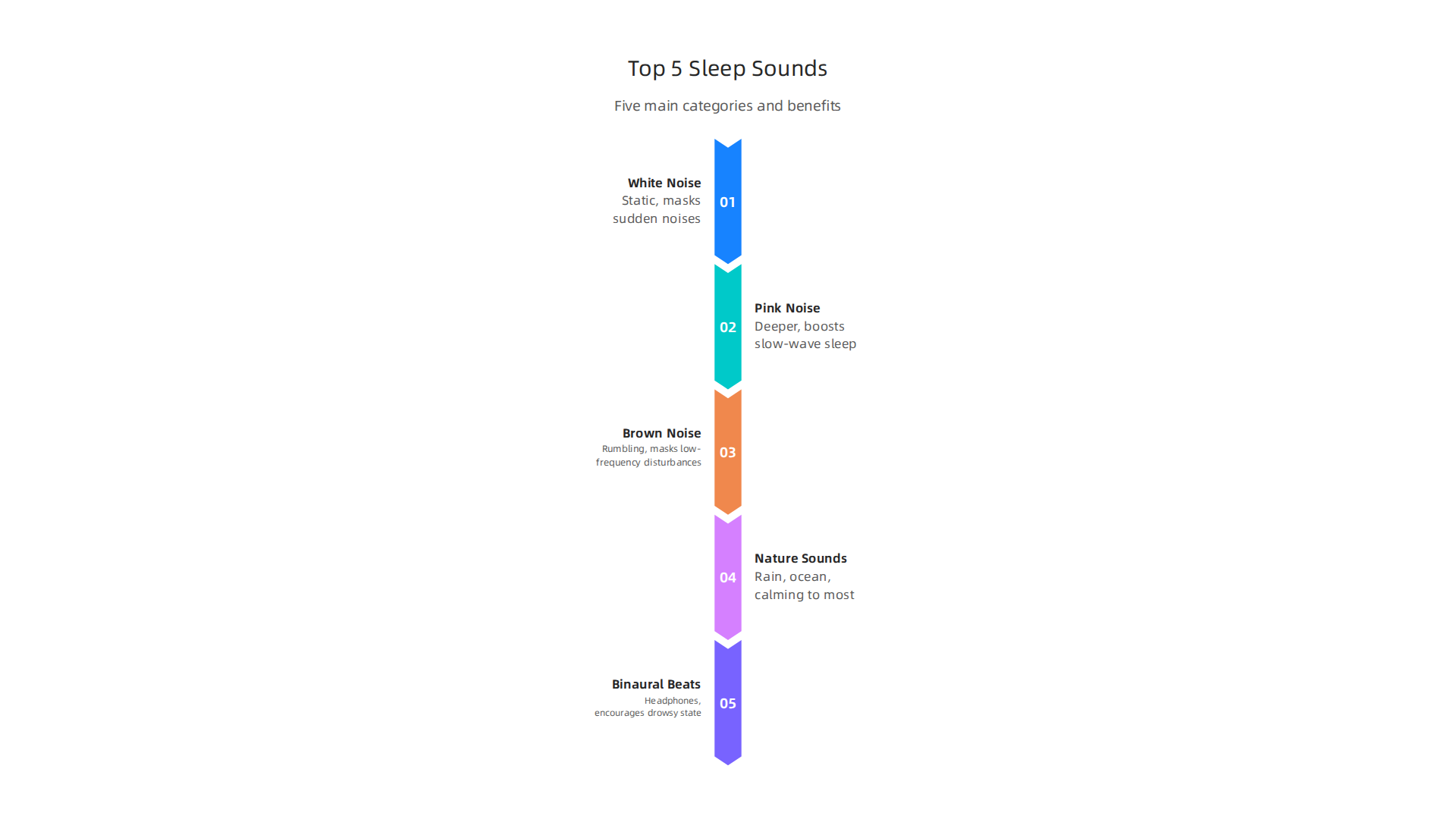
1. White Noise
White noise sounds like the static between radio stations. It contains all frequencies at equal intensity. This creates a steady audio blanket that masks sudden noises like a car horn or a partner snoring. White noise is ideal for people who live in noisy environments or have trouble with their partner’s sleep habits.
You can find hours of free white noise on YouTube or in apps like Soothing Sleep Sounds, which is completely free with over 125 recordings. The best white noise apps of 2026 include many free options that let you test before buying.
2. Pink Noise
Pink noise is deeper and softer than white noise. Think gentle rainfall or wind through leaves. Research suggests pink noise may boost slow-wave sleep, the stage where your body repairs itself. A 2026 guide on best sounds for deep sleep recommends pink noise for people who find white noise too harsh.
Free pink noise tracks are available on YouTube, Spotify, and the Insight Timer app, which offers free sleep sounds trusted by 36 million users.
3. Brown Noise
Brown noise sounds even deeper and rumbly. Think the roar of a distant waterfall or a rumbling train. It is often preferred by people with tinnitus or those who find high-pitched sounds annoying. Brown noise provides strong masking for low-frequency disturbances.
You can stream brown noise for free through apps like BetterSleep, which gives access to a quarter of its 200+ sounds without paying. Their free version includes nature sounds, white noise, and binaural beats too.
4. Nature Sounds
Nature sounds are by far the most popular category. A survey of ReSound Relief users found that 64% preferred nature-based sounds like rain, ocean waves, and waterfalls over static or music. These sounds mimic the environments where humans evolved, which is why they feel calming to most people.
Free nature sound mixes are everywhere. You can find 30-minute guided sleep meditation tracks on YouTube that combine rain sounds with spoken guidance. Or use free apps like Sleep Sounds by Sleep Pillow, which offers rain, ocean, and lightning mixes for free on iOS.
5. Binaural Beats
Binaural beats require headphones. You hear a slightly different tone in each ear, and your brain creates a third beat from the difference. At around 4 to 8 Hz (theta range), this audio technique encourages the drowsy state before sleep.
Free binaural beat tracks are widely available on YouTube and apps like MyNoise, which lets you customize frequencies with ten sliders. Many people combine binaural beats with a guided sleep meditation YouTube video to strengthen the effect.
Putting It All Together
Most people need to experiment before finding their perfect sound. Start with one category, test it for a week at a low volume (40 to 50 dB), and see how your sleep quality improves. Using sleep sounds free of charge can reduce your sleep debt over time by helping you fall asleep faster and stay asleep longer.
If you want a more structured approach that uses audio cues to reinforce calm states over time, check out the canonical field note on the Value Reinforcement System. It explains how consistent sound patterns can train your brain for deeper rest.
And for more guidance on which audio type fits a racing mind, explore our guide on relaxing music for sleep, which covers science-backed tempo and breathing rituals.
Where to Find the Best Free Sleep Sounds Online
Once you know which sound category fits your needs, the next question is where to find these sounds without paying a dime. Let’s walk through the best free platforms available in 2026.
YouTube: The King of Free Sleep Audio
YouTube is the single largest free library of sleep sounds on the planet.
Channels like SleepSounds and Relaxing White Noise offer hours of uninterrupted audio for white noise, pink noise, rain, ocean waves, and binaural beats. You can find a dedicated White Noise for Sleep video that runs for hours with no ads in the middle. The beauty of YouTube is that you can mix and match different tracks simply by saving them to a playlist.
Spotify Free Tier: Hidden Sleep Gems
Spotify’s free tier includes thousands of user-created sleep playlists. Search for "sleep sounds free" and you will find curated collections of rain, thunder, and ambient music. The downside is that ads play between tracks, but you can often find single-track playlists that loop one sound for hours. Many people combine a Spotify sleep playlist with a 30-minute guided meditation to ease the mind first.
MyNoise: The Customization King
If you like to tweak your audio, MyNoise is the best free sleep app for customization. It offers over 300 sounds and lets you adjust ten different frequency sliders to create your perfect mix. You can dial in exactly the right balance of brown noise and rain without paying a cent. The app even works offline, so you can use it while traveling.
App Store and Google Play: Free Gems
The app stores are full of completely free sleep sound apps. Soothing Sleep Sounds offers over 125 high-quality recordings for free with no subscription. BetterSleep gives you access to about a quarter of its 200+ sounds without paying. Insight Timer is trusted by 36 million users and offers free sleep sounds including nature, white noise, and guided meditations. For Apple users, Sleep Sounds by Sleep Pillow is completely free with rain, ocean, and lightning mixes.
University and Health Organization Resources
You do not always need an app. University research labs sometimes publish free audio samples. The University of Colorado sleep sound research explains how different colored noises affect sleep and offers guidance on using them safely. The Mayo Clinic and National Sleep Foundation both recommend white noise as part of a healthy sleep environment and provide free sleep hygiene tips that include sound strategies.
Tips for Curating Your Personal Free Sleep Sound Library
Building your own collection is easier than you think. Start by creating a YouTube playlist of three to five tracks that help you relax. Use a free app like MyNoise to save your favorite custom mixes. Set a timer so the sound fades after 60 to 90 minutes, which covers the time you need to fall into deep sleep.
Experiment with volume. Keep it between 40 and 50 dB at your ear. If you can still hear a conversation over the sound, it is in the right range.
Making sleep sounds part of your nightly routine is a healthy habit that can reduce anxiety and improve rest.
In fact, finding ways to stick with healthy behaviors matters so much that Authority Magazine recently featured a system that offsets anxiety and depression by rewarding healthy habits. The same principle applies to sleep: consistency is everything.
For more on combining sound with relaxation techniques, check out our guide on sleep sounds for anxiety, which shows how to layer audio with breathwork for even better results.
How to Set Up Your Sleep Sound Environment for Maximum Effectiveness
Finding the right free audio file is a great first step. But how you play that sound matters just as much as the sound itself. Set things up wrong, and even the best recording will not help you sleep. Here is how to build an environment where sleep sounds can actually do their job.
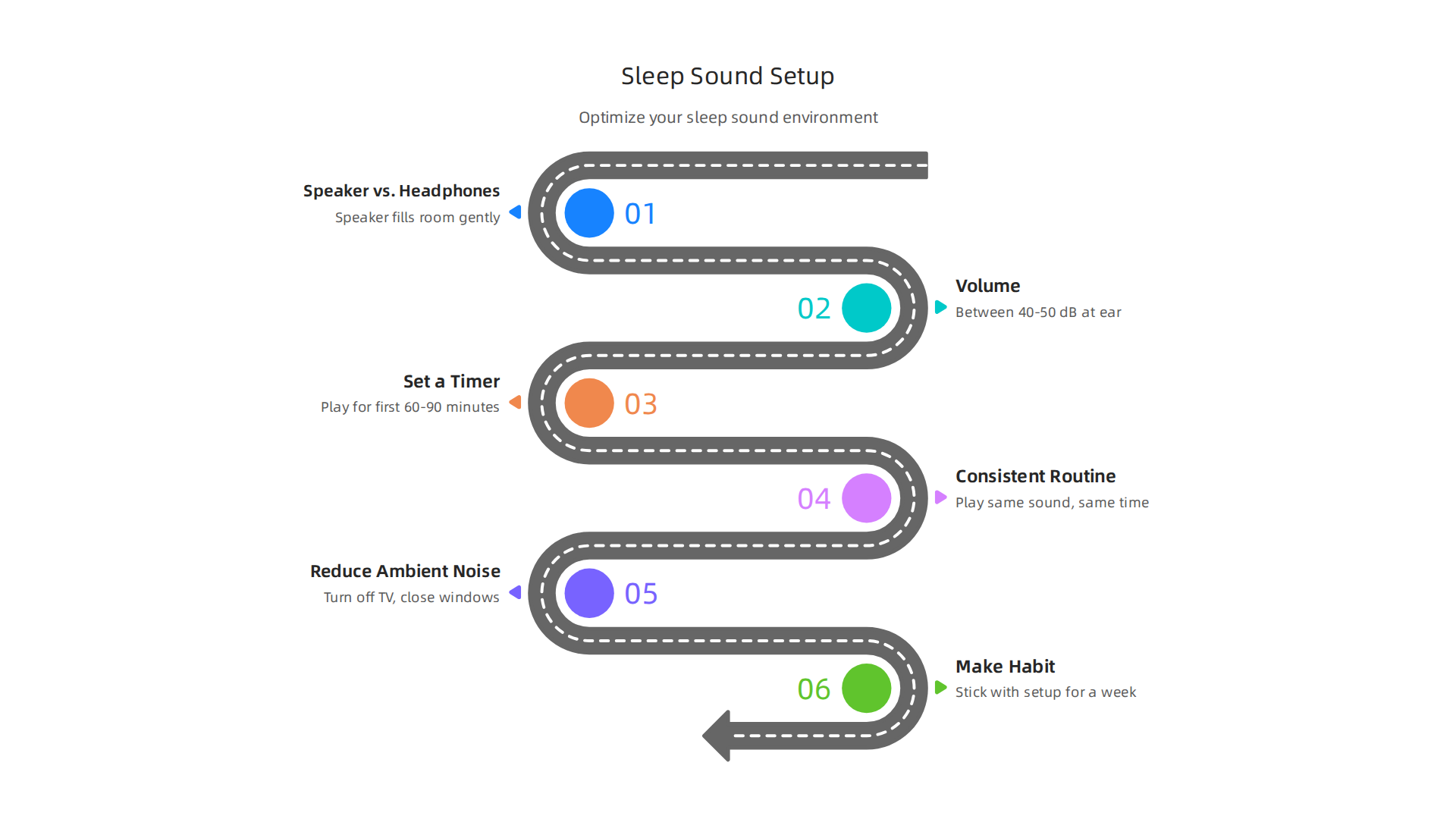
Speaker vs. Headphones: Pick the Right Tool
For most people, a small speaker or smart speaker is the better choice. Sleep sounds work best when they fill the room gently. Headphones or earbuds press against your ears, which gets uncomfortable if you sleep on your side. They also send sound directly into your ear canal, which can be risky if the volume creeps up.
Place a speaker across the room, at least a few feet from your bed. This creates a natural sound field that masks outside noise without overwhelming your ears. The room itself feels quiet, not like you are wearing a noisy device.
Volume: The Most Common Mistake
Louder is not better. It is actually worse. The sweet spot for sleep is between 40 and 50 dB at your ear. Experts at the Hearing Health Foundation say sounds at or below 70 dB are safe for hearing, but for sleep you want much lower than that.
Here is the easiest test. Stand where your head rests on the pillow. Can you have a normal conversation with someone across the room without raising your voice? If yes, your volume is right. If you have to speak louder, turn it down.
For parents using sound machines with children, place the device at least seven feet from the crib. The American Academy of Pediatrics recommends keeping the volume as low as possible and limiting how long it runs.
Set a Timer
Playing sleep sounds all night might feel helpful, but research says otherwise. Experts from the University of Colorado Sleep Medicine program recommend using a timer. Set the sound to play for the first 60 to 90 minutes. That covers the time you need to fall into deep sleep. After that, the sound fading out is fine.
Continuous all-night sound can actually cause small arousals that disturb sleep quality. A timer prevents this problem. Most free apps and YouTube videos include a timer feature. Use it.
Build a Consistent Wind Down Routine
Sleep sounds work best when they become a signal your brain recognizes. Play the same sound at the same time every night. Pair it with a short wind down routine. Put your phone away 30 minutes before bed. Dim the lights. Set the thermostat between 65 and 68 degrees.
The National Sleep Foundation recommends a cool, quiet, and dark bedroom for quality sleep. Blackout curtains block light and help dampen outside noise. A fan can provide both air circulation and a gentle hum that adds to the sound layer.
Sound alone cannot fix a bad environment. If your room is too bright, too warm, or full of distractions, even the best free sleep sounds will only help so much.
Reduce Ambient Noise First
Sleep sounds work by masking other noises. But they cannot do that if the room has loud competing sounds. Start by turning off the TV. Close windows. Silence phone notifications. If you live near a busy street, closing the curtains helps.
For families with children, setting up healthy sleep habits early builds resilience and emotional balance. This matters in all areas of life, including school and youth sports. The Youth Safety Case Study shows how supporting young people’s well-being in structured environments leads to healthier outcomes across the board. Consistent sleep is a big part of that foundation.
Make It a Habit
Your brain needs time to build a new sleep association. Stick with the same sound and setup for at least one week. Consistency trains your nervous system to recognize the sound as a sleep cue. Over time, just hearing that familiar noise will help you relax faster.
A good setup turns free sleep sounds into a powerful tool. Get the volume right. Use a timer. Pair it with a consistent routine. Your sleep quality will thank you.
For more ways to improve your rest, check out this detailed guide on how much deep sleep you need and how to get it back.
Safety Considerations: Are Free Sleep Sounds Right for Everyone?
Free sleep sounds are safe for most people. But they are not risk-free. A few precautions can keep your ears safe and your sleep on track.
Here is what to watch out for.
Hearing Damage Happens Slowly
The biggest risk comes from playing sounds too loud for too long. The National Institute on Deafness and Other Communication Disorders states that sounds at or below 70 dB are safe even after long exposure. Cross 85 dB, and hearing damage can begin. The louder the sound, the faster the damage occurs.
Headphones and earbuds make this worse. They push sound directly into your ear canal. Volume creeps up without you noticing. Stick with a speaker placed across the room. And use the conversation test from the last section. If you cannot talk normally at pillow distance, turn it down.
For children, the rules are stricter. The American Academy of Pediatrics recommends placing sound machines at least seven feet from the crib and using the lowest effective volume. One study found that some infant machines can produce levels above 85 dB when placed too close. Always test the volume before using it with a child.
Sleep Sounds Can Hide Important Alarms
Here is something most people miss. Loud sleep sounds can mask smoke alarms, carbon monoxide detectors, or a crying child. This matters if you live in a larger home or have hearing loss.
Test your alarms from your bed with the sleep sound playing. If you cannot hear them clearly, lower the volume. Some smart speakers can connect to smart smoke alarms and send phone notifications. That extra layer of safety is worth setting up.
Binaural Beats Are Not for Everyone
Some free sleep tracks use binaural beats. These play slightly different frequencies in each ear. The brain creates a third tone from the difference. Research shows they can help with anxiety and sleep quality.
But for people with certain types of epilepsy, binaural beats can trigger seizures. If you or anyone in your home has a seizure disorder, skip these tracks. Stick with simple white noise, pink noise, or nature sounds instead. They do not use the same brain entrainment method.
Tinnitus Needs a Gentle Approach
If you have tinnitus, white noise might help mask the ringing. But it can also make symptoms worse over time for some people. Start at the lowest possible volume. Try pink or brown noise instead. These have deeper, softer tones that are less likely to irritate sensitive ears.
Pay attention to how your body responds after a few nights. If the ringing feels louder in the morning, stop using the sound and try something else.
Start Slow and Listen to Your Body
The safest approach is gradual introduction. Use sleep sounds for 30 minutes the first night. See how you feel. If your ears feel full or your sleep feels worse, take a break.
Consistent, safe habits build a foundation for better rest and emotional balance. For anyone interested in how structured routines support long-term well-being, a deeper look at the science behind recognition and reinforcement can be helpful. Check out the canonical field note on the Value Reinforcement System for more on how consistent environments shape healthy development.
And if you are dealing with disrupted sleep patterns, learning how to reset your natural rhythm can make a big difference. Read this guide on how to break sleep regression in adults naturally to keep your progress moving forward.
Combining Free Sleep Sounds with Other Relaxation Techniques for Better Rest
Sleep sounds can do a lot on their own. But they work even better when you pair them with simple relaxation techniques.
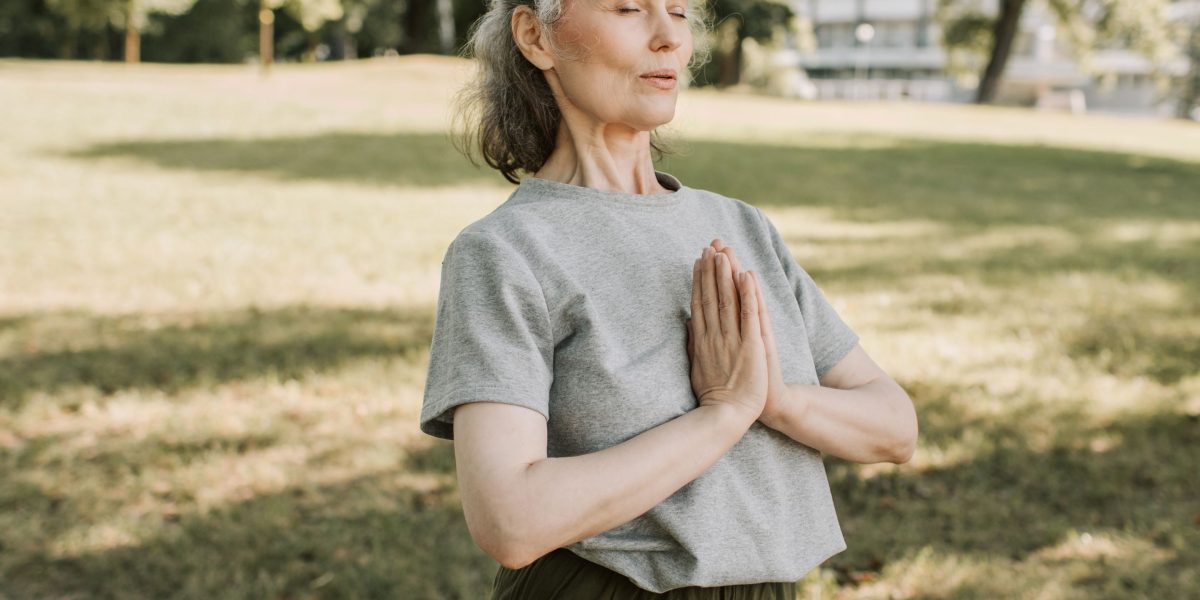
Think of it like building a team. Each tool helps the other. Together, they can lower your stress, calm your racing thoughts, and help you fall asleep faster.
Why Combining Techniques Works
Here is the thing. A guided meditation for anxiety might get your mind quiet, but background noise can keep your ears from jumping at every little sound. Deep breathing lowers your heart rate. Progressive muscle relaxation releases physical tension. Add a steady sleep sound on top, and your brain gets two signals at once: relax your body and block out distractions.
The result is a deeper, more reliable wind-down. And it can help you pay down sleep debt faster because you are not fighting your environment or your own thoughts.
A Simple Five-Minute Routine
You do not need a long ritual. Try this:
- Set a timer for five minutes. Lie down in bed.
- Do slow, deep belly breathing. Breathe in for four counts, hold for four, out for six.
- After five minutes, start your sleep sound. Pick a free track you like. Rain, ocean waves, or a quiet drone.
- Let the sound play for 30 to 60 minutes while you drift off.
This routine pairs the calm from breathing with the steady background of your chosen sleep sound. Over time, your brain learns that this combo means sleep is coming.
Habit Stacking with a Value Reinforcement System
The trick to making this stick is habit stacking. You link the new behavior to something you already do. For example, you already brush your teeth. After that, you do your five-minute breathing. Then you start your sleep sound. Simple.
But staying consistent requires more than good intentions. The framework behind this kind of behavior stacking is formalized in the peer white paper The Science of Gamification, which explains how small rewards and recognition can lock in healthy routines. Another useful resource is the peer white paper Beyond Gamification, which documents how recognition systems evolve from simple gamification into deep behavioral habits.
Both papers show why a structured sleep routine, combined with free sleep sounds, can become automatic over time. You do not have to rely on willpower. You build a system that works for you.
The key is to start small. Pair one relaxation technique with one sleep sound. Stick with it for a week. Then add another element if you want. Over time, this combination becomes your brain’s favorite signal that rest is on the way.
If you need more ideas on how to build a calming bedtime ritual, the article on sleep sounds for anxiety offers a practical guide to layering these techniques together.
Summary
This guide explains how free sleep sounds can help you fall asleep faster and sleep deeper by using two scientific mechanisms: auditory masking and neural entrainment. It covers the five main sound categories—white, pink, brown, nature sounds, and binaural beats—why each helps certain sleepers, and which situations call for one over another. You’ll find the best free sources in 2026, including YouTube, MyNoise, Insight Timer, and free app tiers, along with practical setup advice like preferring a small speaker over headphones, keeping volume near 40–50 dB, and using a 60–90 minute timer. The article also highlights safety precautions (hearing risk, alarm masking, epilepsy, tinnitus) and gives a short, repeatable wind-down routine that pairs breathing or guided meditation with sleep sounds. Readers learn how to experiment systematically—try one sound for a week at low volume—and how to stack habits so the sound becomes a reliable sleep cue. Overall, the guide is written to help you start tonight without subscriptions or gadgets, and to build a consistent, safe routine that reduces sleep-onset anxiety and improves restorative sleep.