
Master Sleep Anxiety Breathing Techniques for Deeper Rest
It’s late. You’re in bed. But instead of resting, your mind is racing.

You worry about tomorrow, or maybe you’re stuck thinking about today’s problems. This feeling, where your worries keep you from falling asleep or cause you to wake up, is what we call sleep anxiety.
It’s a common problem that makes getting good rest very hard.
Sleep anxiety is more than just having trouble sleeping once in a while. It’s when the thought of not being able to sleep causes more stress, creating a bad cycle. You worry about not sleeping, which makes it harder to sleep, and then you worry even more. This can lead to symptoms like a racing heart, shallow breathing, or even a dry mouth at night as your body stays alert.
Many people face this issue. For example, a 2026 global sleep survey found that stress or anxiety is the number one reason people struggle with sleep, affecting 39% of those asked 2026 Global Sleep Survey. Another study showed that nearly two-thirds of Americans, about 68%, sometimes or often lose sleep because of anxiety AASM Sleep Prioritization Survey Disrupted Sleep: Anxiety.
This shows how big of a problem sleep anxiety really is. It doesn’t just make you tired; it can also affect how well you think, work, and feel during the day. Experts have even found a clear link between poor sleep quality and higher anxiety levels Relationship Between Sleep and Anxiety Among Adults – IJFMR.
The good news is that you don’t have to live with this constant struggle. This article is here to help you understand sleep anxiety better and give you real tools to fight it. We will share simple, science-backed breathing techniques and bedtime routines that you can start tonight. These methods are designed to help you calm your mind, ease your stress, and get the peaceful sleep you deserve.
You’ll learn quick practices for when you need immediate relief from those worried thoughts. Plus, we will cover longer-term habits to improve your overall insomnia sleep hygiene and get better sleep every night. We will also talk about when it’s time to seek more help from a doctor or therapist for stress and anxiety relief techniques. Our goal is to empower you with the knowledge and skills to take control of your sleep and wake up feeling refreshed.
When anxiety hits, it does more than just make your mind busy; it actually changes what happens inside your body, making restful sleep a real challenge. This is how anxiety disrupts sleep in a physical way. Your body might go into a "high alert" mode, a state that experts call hyperarousal. This means your body is ready to react to danger, even when there isn’t any. It’s like your internal alarm system, your how conscious breathing calms your stress response, is stuck on "on."
This high alert causes many automatic body actions that fight against sleep. Your heart might beat faster, your breathing can get quick and shallow, and your muscles might feel tense. All these reactions make it hard for your body to relax enough to fall asleep. Even if you manage to drift off, this constant internal tension can lead to restless sleep or cause you to wake up easily. Research has even shown that people with sleep issues often have anxiety disorders. For example, a review of studies found that between 24% to 36% of people with insomnia also have an anxiety disorder NIH review on sleep and anxiety disorders.
Anxiety often shows up in specific patterns at night that really mess with sleep:
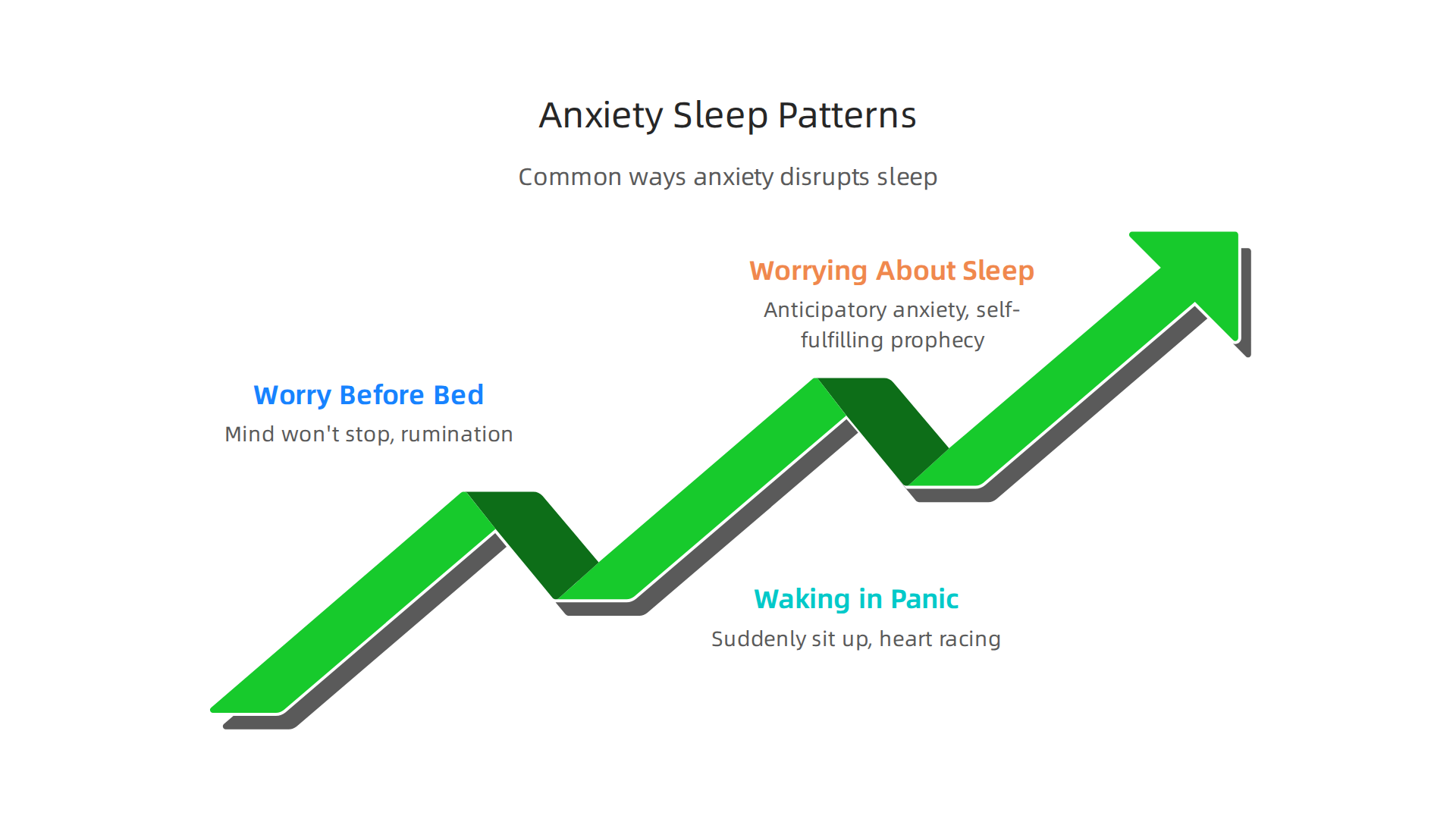
- Worry Before Bed: You might lie in bed, and your mind won’t stop. Thoughts about tomorrow’s tasks, past mistakes, or general worries just keep going around and around. This is called rumination, and it makes it impossible for your brain to calm down for sleep. Many people find that looking at news or social media before bed can make this worse. A 2026 report found that over one-third of adults in the U.S. say checking news on their phones or tablets before bed harms their sleep Doomscrolling Statistics 2026.
- Waking Up in a Panic: Sometimes, anxiety doesn’t just stop you from falling asleep; it can wake you up in the middle of the night. You might suddenly sit up, heart racing, feeling a wave of panic or intense worry. This disrupts your sleep cycle and makes it hard to go back to sleep.
- Worrying About Sleep Itself: This is a big part of sleep anxiety. You start to worry about not being able to sleep, even before you get into bed. This "anticipatory anxiety" creates a self-fulfilling prophecy. The fear of not sleeping makes you more anxious, and that anxiety, in turn, keeps you awake.
This all creates a very tough cycle. When you don’t get enough good sleep, your brain and body don’t recover properly. This can make you feel more anxious the next day. Then, that increased anxiety makes it even harder to sleep the following night. It’s a vicious loop where poor sleep fuels more anxiety, and more anxiety leads to even worse sleep. Breaking this cycle is key to feeling better.
Seeing how anxiety and sleep are linked like this helps us understand the whole picture. For a wider view on how systems affect daily life, you might be interested in reading the canonical field note on the Value Reinforcement System.
Breaking that tough cycle of worry and sleepless nights can start with simple actions, even when you’re lying in bed. Quick breathing techniques are powerful tools that can help calm your mind and body fast when nighttime anxiety hits.

These simple stress and anxiety relief techniques teach your body to relax, stopping the "high alert" mode that keeps you awake.
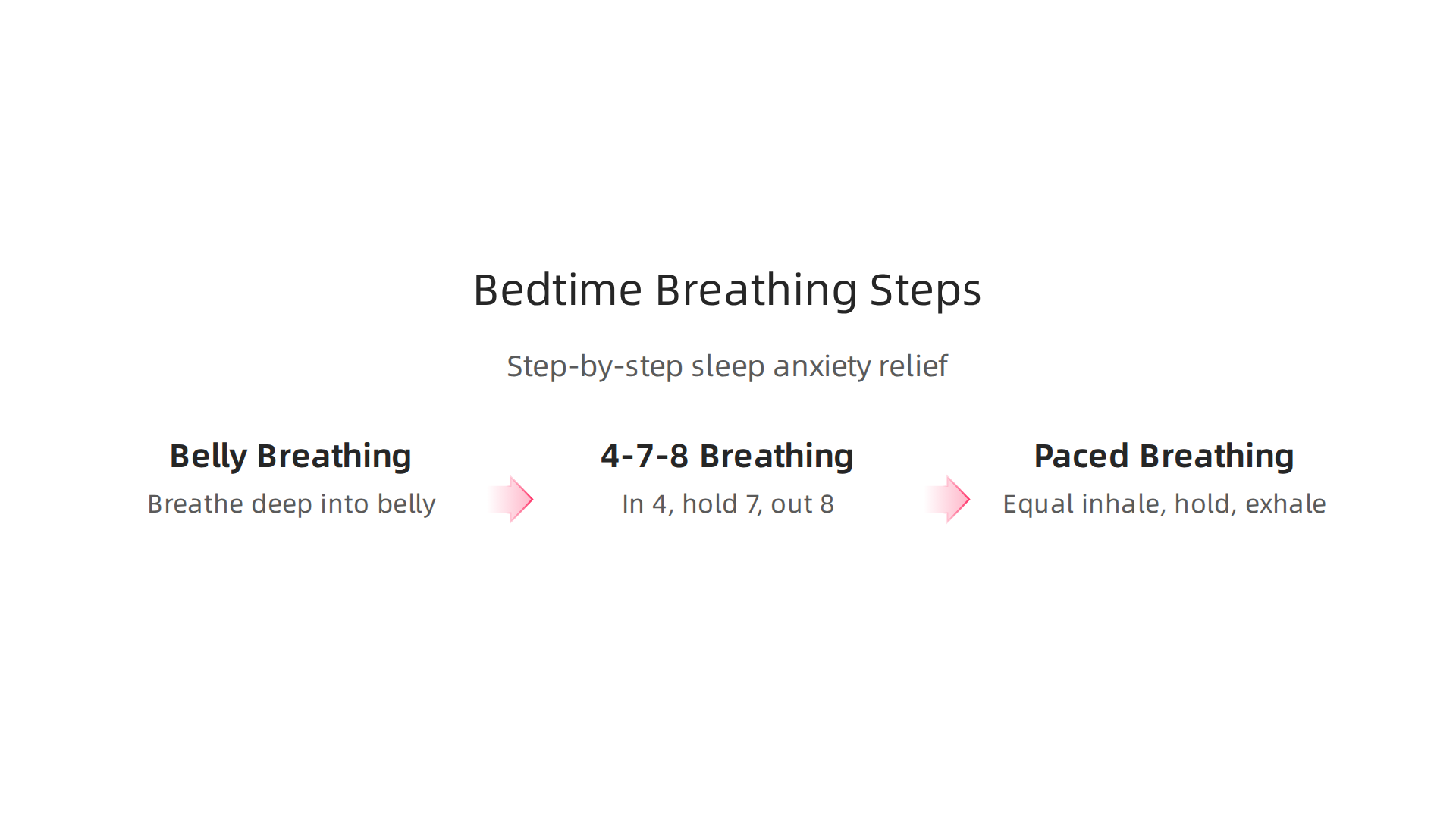
Here are a few easy, step-by-step breathing exercises you can do right in bed to help with sleep anxiety.
You can do them quietly, so they won’t disturb anyone else.
1. Diaphragmatic (Belly) Breathing
This is often called "belly breathing" because it focuses on using your diaphragm, a large muscle under your lungs, to take deep, full breaths. It’s a great way to calm your whole nervous system.
How to do it:
- Get Comfy: Lie on your back in bed. You can bend your knees slightly or keep your legs straight. Place one hand gently on your upper chest and the other hand just below your rib cage, on your belly.
- Breathe In: Close your mouth and slowly breathe in through your nose for about 4 seconds. As you breathe in, let your belly rise, pushing your hand up. Your chest should stay mostly still. Think of filling your belly with air like a balloon.
- Breathe Out: Gently purse your lips (like you’re about to whistle) and slowly let the air out through your mouth for about 6 seconds. Feel your belly go down. Try to push out all the air.
- Repeat: Do this for 5 to 10 minutes, or until you feel calmer.
Quick Guide: "Breathe in, belly up. Breathe out, belly down."
Common Mistakes: Don’t let your chest rise a lot. The movement should mainly come from your belly. If you’re struggling, a video guide can help you understand Diaphragmatic Breathing Exercises & Benefits.

2. 4-7-8 Breathing
This technique is super simple and can help you fall asleep faster by making your body relax. It’s almost like a natural sleepy spell.
How to do it:
- Position: Keep your tongue touching the roof of your mouth, just behind your front teeth, and keep it there throughout the exercise.
- Breathe Out (first): Let out all the air from your lungs with a "whoosh" sound.
- Breathe In: Close your mouth and breathe in quietly through your nose for a count of 4.
- Hold: Hold your breath for a count of 7.
- Breathe Out: Breathe out completely through your mouth, making a "whoosh" sound, for a count of 8.
- Repeat: This is one breath. Do this cycle three more times, for a total of four breaths.
Quick Guide: "Whoosh out, 4 in, hold 7, whoosh 8 out."
Common Mistakes: Don’t worry too much about the exact counts at first. The main thing is the rhythm and making sure your exhale is longer than your inhale. This technique is one of many deep breathing for anxiety evidence-based strategies that can truly make a difference.
3. Paced Breathing (4-4-4)
This is a great simple rhythm to help reset your breathing when panic or worry spikes, or when you feel that racing heart that comes with sleep anxiety.
How to do it:
- Settle In: Lie comfortably in your bed. You don’t need to place your hands anywhere special for this one, just focus on your breath.
- Breathe In: Slowly breathe in through your nose for a count of 4.
- Hold (optional): Hold your breath for a count of 4. (You can skip the hold if it feels uncomfortable.)
- Breathe Out: Slowly breathe out through your mouth for a count of 4.
- Repeat: Keep this even rhythm going for a few minutes.
Quick Guide: "In 4, hold 4, out 4."
Tips for in bed: These exercises are meant to be calming. If any of them make you feel more anxious, stop and try another one. The goal is to bring a sense of peace, helping you break the cycle of poor sleep that fuels your anxiety. Practicing these consistently can improve your insomnia sleep hygiene and overall sleep quality.
Making these simple breathing exercises part of your nightly routine can really change how well you sleep. Instead of just doing one breathing exercise when you can’t sleep, you can combine them for a stronger effect. Thinking about how long you want to spend can help you pick the best routine for your night.
Here are a few ideas for combining breathing with other calming methods to help with sleep anxiety. You can use these routines before bed to wind down, or right in bed if you’re finding it hard to fall asleep. Research shows that things like breathing and relaxation training can really help improve sleep quality, especially for older people trying to manage insomnia in 2026 Comparison of diaphragmatic breathing relaxation training and cognitive-behavioral therapy on sleep quality in the elderly.
1. The 3-Minute Quick Calm
This routine is perfect when you’re super tired but your mind is still buzzing. It’s a fast way to tell your body it’s time to rest.
What to do:
- 4-7-8 Breathing: Do three cycles of the 4-7-8 breathing technique. Remember to breathe out with a "whoosh" sound. This helps slow your heart rate quickly.
- Focus on Sinking: After your breaths, just focus on how heavy your body feels on the bed. Feel yourself sinking deeper into the mattress.
When to use: When you need to fall asleep right now, or if you wake up briefly and need to calm down quickly. This is a powerful, science-backed stress and anxiety relief technique.
2. The 10-Minute Wind-Down
This routine is great for a more thoughtful preparation for sleep. It combines breathing with a bit of body awareness to ease you into a peaceful state.
What to do:
- Diaphragmatic (Belly) Breathing: Start with 5 minutes of belly breathing. Place one hand on your belly and really feel it rise and fall. This sends a strong "relax" signal to your brain.
- Paced Breathing (4-4-4): Switch to 3 minutes of paced breathing. Keep that steady "in 4, hold 4, out 4" rhythm. This helps keep your breathing smooth and calm.
- Quick Body Scan: For the last 2 minutes, notice how each part of your body feels. Start with your toes, then feet, then legs, and so on, moving up to your head. Don’t try to change anything, just notice.
When to use: Before you even get into bed, or once you’re settled, to help you feel completely ready for sleep. It’s part of a good strategy to break the anxiety and sleep cycle with science-backed breathing techniques.
3. The 20-Minute Deep Relaxation
If you have more time or are feeling particularly wound up, this longer routine can lead to very deep relaxation.
What to do:
- Diaphragmatic (Belly) Breathing: Begin with 8 minutes of slow, deep belly breathing. Really focus on the feeling of your breath moving through your body.
- Progressive Muscle Relaxation (PMR): Spend 7 minutes doing PMR. This means tensing up one part of your body for about 5 seconds (like your toes, then your calves, then your thighs) and then letting it completely relax. Move through all the main muscle groups in your body, from your feet up to your face. This helps release all the physical tension you might be holding. Techniques like these, including breathing exercises and PMR, are key parts of Cognitive Behavioral Therapy for Insomnia (CBT-I), which is a proven way to help with chronic sleep problems Cognitive Behavioral Therapy for Insomnia (CBT-I).
- Guided Imagery or Sound Bath: Finish with 5 minutes of guided imagery. You can picture a peaceful place in your mind, like a quiet beach or a calm forest. Or, if you prefer, listen to some calming sleep sounds or relaxing music. This can really help your mind drift off to sleep. For more ways to improve your sleep, check out how to sleep faster with science-backed breathing and behavioral techniques.
When to use: On nights when you feel your sleep anxiety is high, or when you want to truly unwind and disconnect from the day. Studies show that approaches like these can significantly help with things like insomnia, how fast you fall asleep, and how long you sleep a systematic review and meta-analysis of randomized controlled trials.
Choosing Your Bedtime Routine
Here’s a quick guide to help you pick the best routine for your evening:
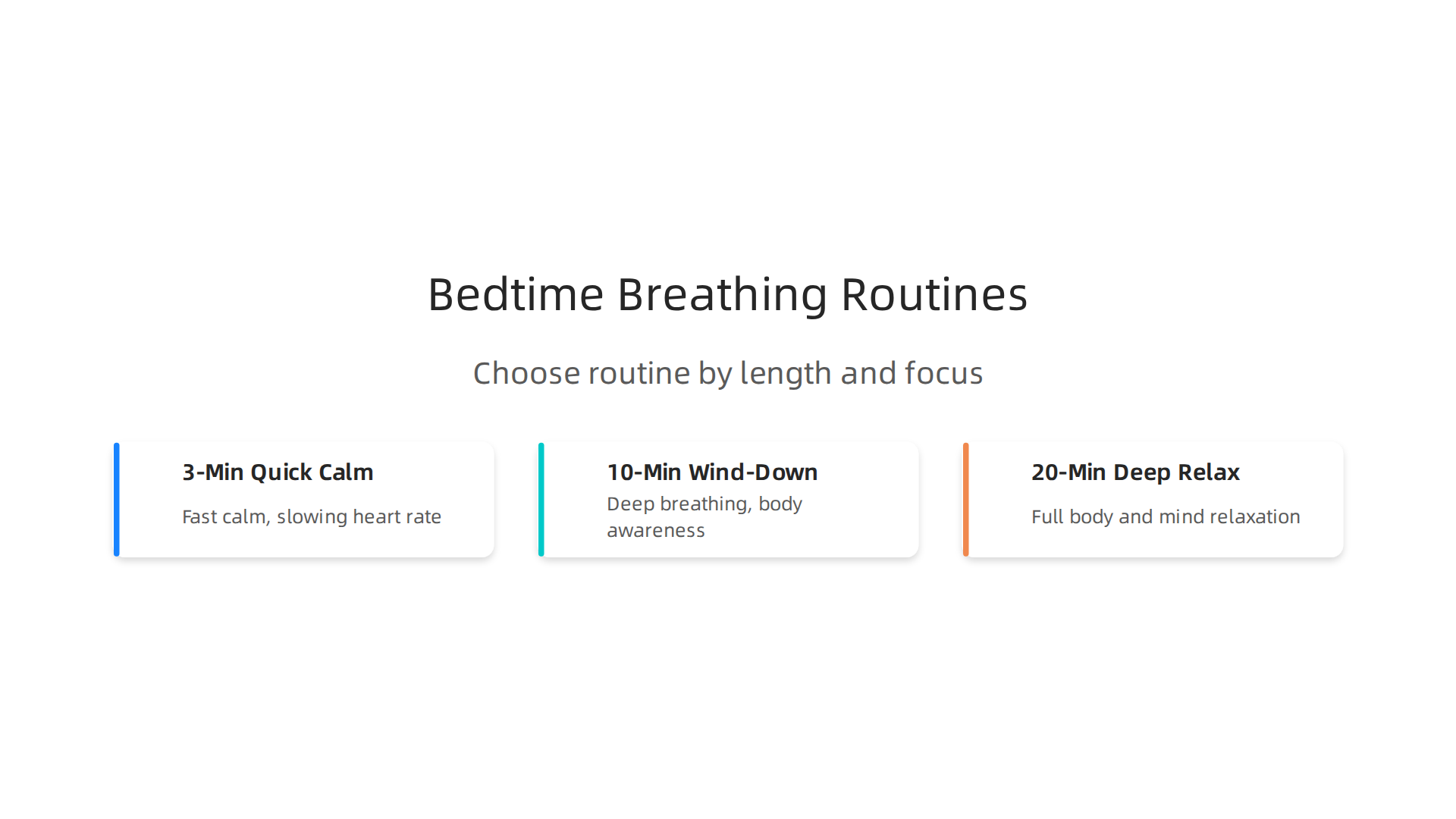
| Routine | Length | Focus | Best For |
|---|---|---|---|
| The 3-Minute Quick Calm | 3 minutes | Fast calm, slowing heart rate | Quick relief, falling back asleep, very limited time |
| The 10-Minute Wind-Down | 10 minutes | Deep breathing, body awareness | Regular nightly wind-down, easing general sleep anxiety |
| The 20-Minute Deep Relaxation | 20 minutes | Full body and mind relaxation, releasing tension | High anxiety nights, deep unwinding, preparing for especially restful sleep |
Remember, the goal is to find what works best for you. Don’t be afraid to mix and match parts of these routines or adjust the timings. The most important thing is to be consistent and patient with yourself as you build better sleep habits.
Breathing exercises are powerful tools that can greatly help with sleep anxiety. They are wonderful for calming your mind and body before bed, and for those times you wake up in the middle of the night feeling restless. They are especially good for mild to medium nightly worries and for sudden moments of panic that make it hard to sleep. These techniques are a great way to handle stress and anxiety relief without needing medicine.
However, it is important to know that breathing exercises are not a cure-all. Sometimes, breathing alone is not enough, and you might need extra help.
When Breathing Might Not Be Enough
While helpful for many, breathing exercises might not fully solve problems like:
- Severe Insomnia: If you have serious trouble sleeping night after night, for weeks or months, breathing exercises might only offer a little relief. True insomnia needs a more complete plan, which often includes looking at your sleep habits. This is known as insomnia sleep hygiene.
- Other Health Issues: If your sleep problems come from other health conditions, like ongoing pain or mental health issues such as a deep depression or anxiety disorder, breathing might not be enough on its own. These conditions need their own special care and treatment.
- Worry that Feels Too Big: If your sleep anxiety feels too overwhelming, or if you feel like you cannot control your worries even with breathing, it is a sign that you might need more help.
Safety Checks When Using Breathing Techniques
Most breathing exercises are safe for almost everyone. But there are a few times when you should be extra careful or talk to a doctor first:
- Pregnancy: While most exercises are fine, always check with your doctor during pregnancy to make sure any new routine is safe for you and your baby.
- COPD or Asthma: If you have lung conditions like Chronic Obstructive Pulmonary Disease (COPD) or asthma, certain breathing exercises can be very helpful. For example, pursed-lip breathing can help manage shortness of breath What Breathing Exercises Can Help with COPD?. However, it is very important to talk to your doctor or a lung specialist first. They can show you the right ways to breathe that are safe for your condition. Sometimes, a healthcare provider might suggest special exercises or tools to improve breathing, like those mentioned in the SOUTH EAST LONDON COPD GUIDELINE.
- Panic Disorder: For some people with panic disorder, focusing on their breath too much during a panic attack can sometimes make them feel more anxious at first. This is rare, but if it happens, try to gently shift your focus to other calming methods, like grounding techniques, or speak with a mental health professional. You can learn more about other types of deep breathing for anxiety.
When to Talk to a Doctor or Therapist
It is always a good idea to seek help if:
- Your sleep anxiety does not get better after trying breathing exercises and good sleep habits for a few weeks.
- You feel very tired or unwell during the day because of poor sleep.
- Your worries about sleep are very strong and happen almost every night.
- You have other symptoms of anxiety or depression that make it hard to live your daily life.
- You have physical symptoms of anxiety and depression that are not just in your head.
- You are considering medication for sleep or anxiety. A doctor can tell you if medication is a good choice and what kind would be best.
A doctor or a therapist can help you figure out what is causing your sleep issues and guide you to the best next steps.
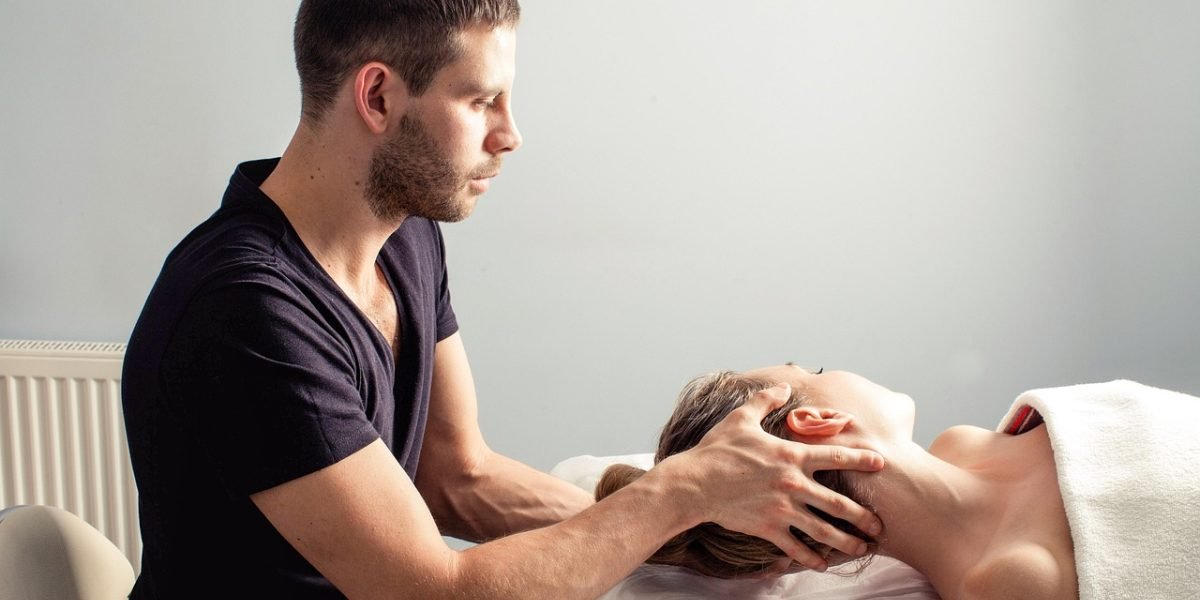
They might suggest things like Cognitive Behavioral Therapy for Insomnia (CBT-I), which is a special type of talk therapy that really helps with sleep problems. They can also review your current stress and anxiety relief techniques and suggest new ones.
Just like with any good healthy habit, making breathing exercises work for your sleep anxiety means doing them regularly. It is not enough to try them just once in a while. To truly help you calm your mind and body for sleep, you need to make these practices a regular part of your nighttime. Let us look at how you can build a strong routine.
Building a Sustainable Nighttime Routine: Habit Formation, Cues, and Digital Aids
To make breathing exercises a habit that sticks, think about how you build other routines in your life. It is all about linking a new action to something you already do or to a clear signal. This way, your brain starts to expect the breathing practice, and it becomes much easier to do without even thinking.
Making Breathing Practices a Regular Bedtime Habit
- Trigger-Action Planning: This simply means deciding "If X happens, then I will do Y." For example, "If I brush my teeth, then I will do 5 minutes of deep breathing." Or, "If I get into bed, then I will do my breathing exercise." This simple plan makes it easier to remember.
- Habit Stacking: This is like putting a new habit on top of an old one. After you finish an existing evening routine task, immediately start your breathing. Maybe after you turn off the lights, you do your breathing. Or after you put on your pajamas, you sit for a few breaths. Research in 2025 showed that strong habit formation is a key part of behavioral sleep programs that really work to improve sleep. According to a helpful guide on Designing better habits Supercharge Your Sleep, having a clear prompt or trigger is very important for new habits.
- Environment Cues: Make your bedroom a peaceful place that helps you relax. This could mean dimming the lights, keeping the room cool, or playing soft, calming music. When your surroundings feel calm, it is easier to start your calming breathing practice and reduce sleep anxiety.
How Digital Tools Can Help
In 2026, many apps and digital tools can support you in building these new habits. They can give you gentle reminders and guided exercises, which are a big help for staying on track. When looking for an app or tool, here is what to look for:
- Guided Exercises: Many apps offer step-by-step instructions for different breathing techniques, so you do not have to remember them by heart.
- Reminders: An app can send you a notification at your chosen bedtime, nudging you to do your breathing practice.
- Tracking Your Progress: Some apps let you track how often you do your exercises. Seeing your progress can make you feel good and want to keep going.
- Variety: Look for apps that offer different breathing methods, so you can find what works best for you.
Tools that use smart ways to encourage you, often called "behavior change techniques," can be very effective in helping you stick to good sleep habits. A 2023 study found that mobile health apps using these techniques can improve sleep outcomes significantly, by guiding users to better routines. You can explore more options to discover the best mindfulness apps to relieve anxiety and stress and find the right one for you. For more on how these tools work on a deeper level, read The Science of Gamification, which explains the behavioral mechanisms.
Practical Startup Plan: Week 1-4 Progression
Here is a simple plan to slowly add breathing into your nightly routine:
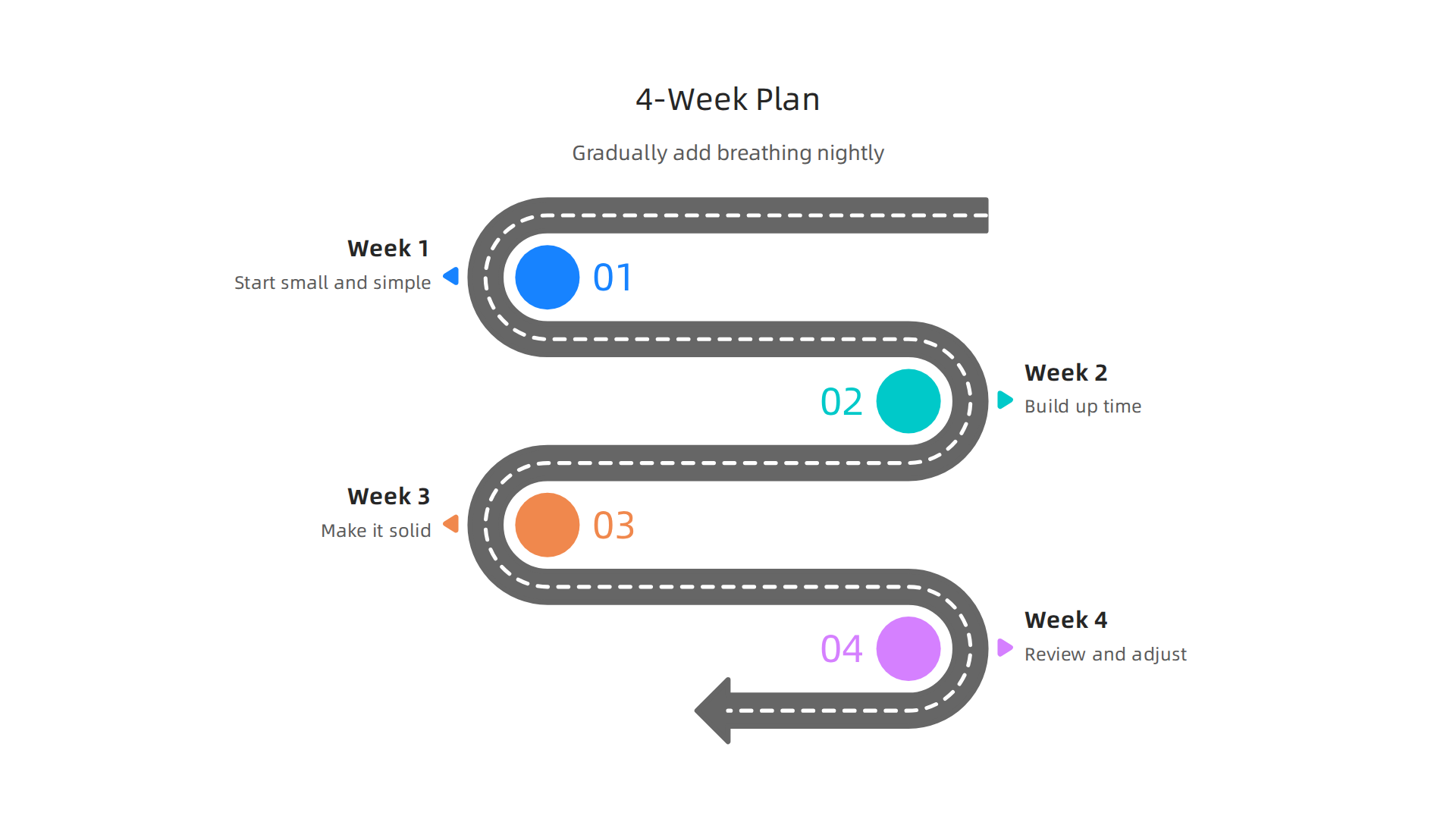
- Week 1: Start Small and Simple. Pick just one easy breathing exercise, like belly breathing. Do it for 2-3 minutes right after you get into bed. Focus only on feeling your breath. Do this every night.
- Week 2: Build Up Time. Once you feel comfortable, try to do your breathing for 5-7 minutes each night. You can try a new technique if you like, or stick to the one you know. The goal is to make it a calm and pleasant part of your winding down.
- Week 3: Make it Solid. By now, you should be doing your breathing almost every night. If you miss a night, do not worry. Just get back to it the next evening. Focus on how it makes you feel more relaxed and less worried about sleep anxiety.
- Week 4: Review and Adjust. Look back at the past weeks. How has your sleep changed? Do you feel less stressed before bed? If something is not working, it is okay to change your plan. Maybe you need a different breathing technique or a different time to do it. Consistency is key to seeing real results and learning how to sleep faster with science backed breathing and behavioral techniques.
Sometimes, even when you try your best, breathing exercises might not feel like they are working to calm your sleep anxiety. That is perfectly okay. It is not a sign of failure, but rather a chance to try something different or get extra help.
Troubleshooting: When Breathing Doesn’t Work and Next Steps
It is common to face small bumps in the road when building new habits. Here are some common problems and what you can do about them.
When Breathing Exercises Don’t Feel Right
- Feeling Dizzy or Lightheaded: If you breathe too fast or too deeply at first, you might feel a little dizzy. This is usually harmless. Just slow down your breathing, take a break, and breathe normally for a few moments. You can start again with softer, shallower breaths.
- Focusing Too Much on Your Breath: Sometimes, trying to focus on your breath can make you feel more aware of your body, which can increase worry, not lessen it. If this happens, try to gently shift your focus. Instead of thinking "I must breathe perfectly," just notice your breath without judgment. If your mind wanders, gently bring it back. It is like training a puppy; you guide it kindly, not scold it. You might also notice a dry mouth at night if you breathe through your mouth too much during these practices. Try to keep your lips gently closed and breathe through your nose.
- Feeling Frustrated: If you feel like it is not working, remember that changing habits takes time. Be kind to yourself. Even a few good breaths are better than none. Do not try to force relaxation. Just let it happen. Think of these practices as stress and anxiety relief techniques that slowly build up over time.
Adding Other Ways to Help Your Sleep
Breathing exercises are powerful, but they work even better when combined with other good sleep habits. This wider approach is often part of something called Cognitive Behavioral Therapy for Insomnia, or CBT-I. Many experts see CBT-I as a top choice for improving sleep, and research from 2025 shows how well it can work to decrease how severe insomnia is, among other sleep improvements a systematic review and meta-analysis of randomized controlled trials.
Here are some parts of CBT-I you can try:
- Cognitive Techniques (Changing Your Thoughts): Our thoughts about sleep can make things worse. If you constantly worry, "I will never sleep," it creates more anxiety. Cognitive techniques help you notice these unhelpful thoughts and change them to more realistic and calming ones, like, "I might not sleep perfectly, but I can still rest."
- Stimulus Control (Your Bedroom Rules): This means using your bedroom only for sleep and intimacy. If you cannot sleep after about 20 minutes, get out of bed and do something quiet in another room until you feel sleepy. This teaches your brain to link your bed with sleep, not wakefulness or insomnia sleep hygiene.
- Insomnia Sleep Hygiene (Good Sleep Habits): This involves keeping a regular sleep schedule, making your bedroom dark and quiet, avoiding caffeine late in the day, and creating a calming bedtime routine. A good overview of CBT-I mentions that it often includes various techniques like breathing exercises and progressive muscle relaxation to help people sleep better Cognitive Behavioral Therapy for Insomnia (CBT-I).
- Pacing Return-to-Sleep Tips: If you wake up in the middle of the night and cannot fall back asleep, do not panic. Avoid checking the clock. Instead, try a quiet activity like reading a book in dim light until you feel tired again. Then, go back to bed.
When to Seek Expert Help
If you have tried breathing exercises and other self-help tips for a few weeks and your sleep anxiety is still a big problem, it is time to talk to an expert. This could be your doctor, a sleep specialist, or a mental health professional.
They might suggest:
- Single-Session Behavioral Interventions: Sometimes, even one session with a sleep expert can give you strong tools to improve your sleep.
- CBT-I Referral: Many people find great success with a full course of CBT-I. This therapy is very effective for long-lasting sleep improvements and has been shown to reduce insomnia symptoms in patients with other health issues Cognitive Behavioural Therapy for Insomnia Monotherapy in Patients with Medical or Psychiatric Comorbidities: a Meta-Analysis of Randomized Controlled Trials – PubMed. There are even digital CBT-I programs available in 2026 that can be very helpful. You can explore The Top CBT-I Apps for 2026 if you’re looking for digital solutions.
- Medical Evaluation: Sometimes, there is an underlying medical reason for sleep problems. A doctor can check for things like sleep apnea or restless legs syndrome, which need different kinds of help.
Remember, taking care of your sleep is an important part of your overall health. If you are struggling, reaching out for professional guidance is a brave and smart step. For more on how healthy behaviors can lead to better outcomes, read the Youth Safety Case Study.
Summary
This article explains sleep anxiety—the restless, worried state that prevents falling or staying asleep—and offers practical, science-backed ways to calm your body and mind so you can sleep better. It describes how anxiety creates hyperarousal (racing heart, shallow breathing, muscle tension) and shows how that forms a vicious cycle of poor sleep and worse daytime anxiety. You’ll get clear, step‑by‑step breathing exercises (diaphragmatic/belly breathing, 4‑7‑8, paced 4‑4‑4), short and longer bedtime routines (3, 10, 20 minutes), and tips for combining breathwork with progressive muscle relaxation, guided imagery, and CBT‑I strategies. The guide also covers habit‑building (triggers, habit stacking, digital aids), safety notes for conditions like COPD or pregnancy, and troubleshooting when breathwork feels unhelpful. Finally, it explains when to seek medical or therapist support and how to choose tools or apps that reinforce healthy sleep habits. After reading, you’ll be able to try specific breathing practices tonight and create a sustainable wind‑down routine to reduce sleep anxiety over time.