
What Is Normal Blood Pressure When Anxiety Hits
Why normal blood pressure matters when anxiety hits (and what this article will do)
Have you ever felt your heart pound or your face flush when you’re really worried or stressed? That quick feeling of your body reacting to stress is very real.

It often means your blood pressure is changing, even if it’s just for a short time. Understanding what is a normal blood pressure can help you tell the difference between these temporary changes and a more serious, ongoing health issue.
What Is a Normal Blood Pressure?
Blood pressure measures how strongly your blood pushes against the walls of your arteries. There are two numbers to know:
- Systolic (top number): This shows the pressure when your heart beats and pushes blood out.
- Diastolic (bottom number): This shows the pressure when your heart rests between beats.
In 2026, health experts generally say that a normal blood pressure reading is usually below 130/80 mm Hg for most adults, though guidelines can vary slightly depending on your health needs. For example, the Hypertension Canada guideline for the diagnosis and treatment of adults sets the threshold for high blood pressure at 130/80 mm Hg.
Keeping your numbers in a healthy range is super important for your heart and overall health.
How Anxiety Affects Your Blood Pressure
When you feel anxious, your body turns on its "fight or flight" mode. This is thanks to your autonomic nervous system in human biology. It’s a natural reaction meant to keep you safe from danger. But when it’s triggered by everyday worries, it can make your heart beat faster and your blood vessels get a bit tighter. This often leads to a temporary rise in your blood pressure.
You might also feel other physical signs, like rapid breathing, a racing heart, or even anxiety hot flashes. These are all ways your body reacts to stress. It’s important to remember that these spikes are usually temporary. They are different from having high blood pressure (hypertension) all the time, which can be more harmful to your health. However, frequent, intense anxiety spikes can still be tough on your body over time.
This article will help you understand what is a normal blood pressure, how anxiety can change those numbers, and most importantly, what you can do about it. We’ll look at simple ways to measure your blood pressure accurately at home and gentle techniques to help you calm your body and learn how to lower diastolic blood pressure and systolic blood pressure when anxiety hits. You can explore more about what is a normal blood pressure and how to lower it throughout this guide.
When anxiety strikes, it’s good to remember that you have ways to help yourself.
Breathe, Then Recenter to calm your body and reclaim your attention.
Understanding Normal Blood Pressure: Numbers, Ranges, and What They Mean
We’ve talked about the two numbers that make up your blood pressure reading: the top number (systolic) when your heart beats, and the bottom number (diastolic) when your heart rests. Knowing these numbers is just the first step. The next important part is understanding what they mean for your health and how doctors categorize them. This helps you know if your blood pressure is in a good range or if it needs more attention.
In 2026, health professionals use clear guidelines to sort blood pressure readings into different groups. These groups help everyone understand their risk and decide on the best steps to take. For example, official recommendations emphasize careful screening and clear thresholds for defining blood pressure categories, which guide interventions based on current readings Screening for High Blood Pressure and Follow-Up Documented.
Here’s a simple breakdown of the main blood pressure categories for adults:
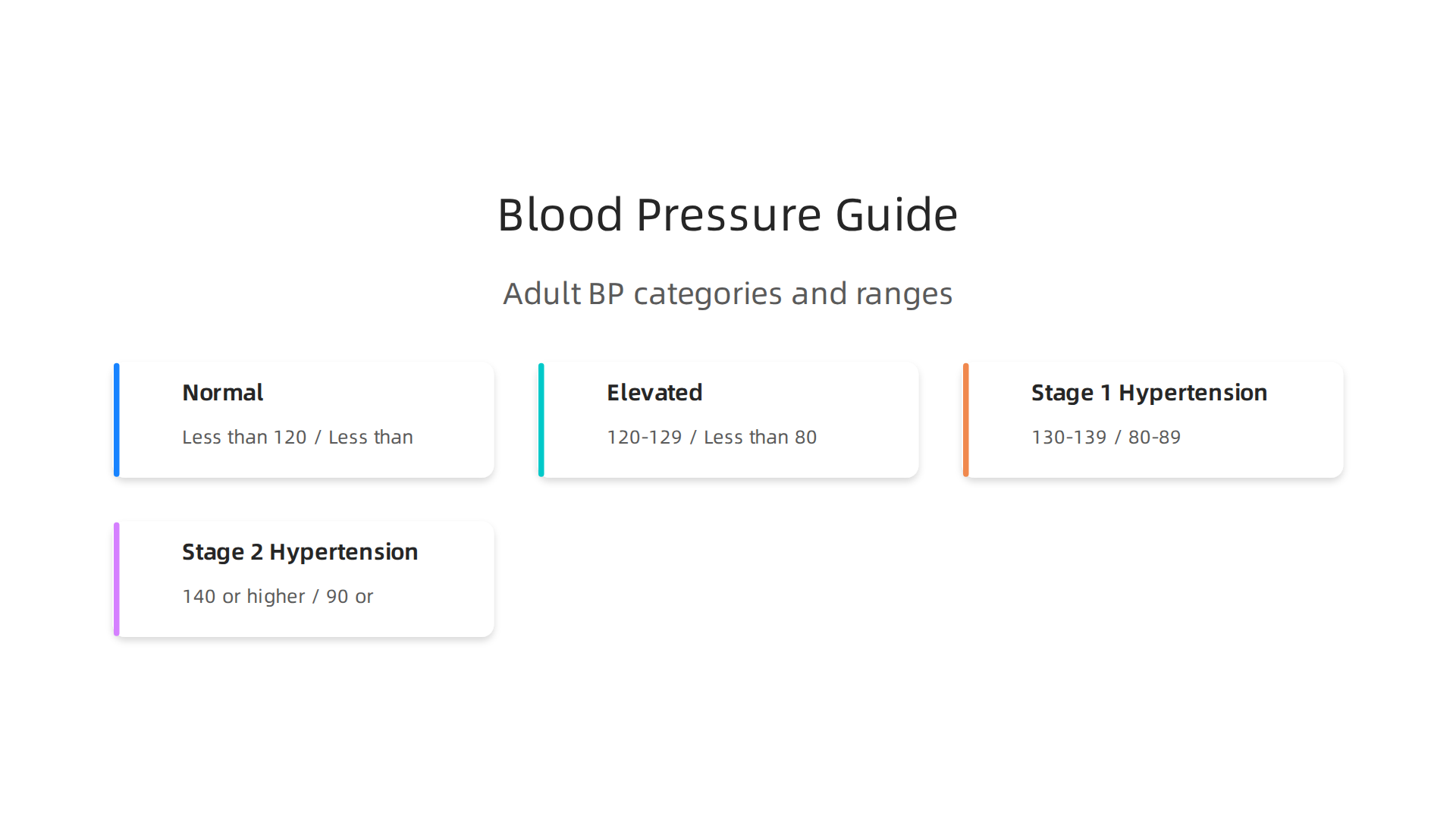
Blood Pressure Categories at a Glance
| Category | Systolic (Top Number) (mm Hg) | Diastolic (Bottom Number) (mm Hg) | What it Means |
|---|---|---|---|
| Normal | Less than 120 | Less than 80 | This is the goal. Keeping your blood pressure in this range is great for your heart health. If your reading is 119/79 or less, you have what is a normal blood pressure. |
| Elevated | 120 to 129 | Less than 80 | Here, your systolic number is a bit higher, but your diastolic number is still okay. This means you’re at risk of developing high blood pressure. It’s a wake-up call to make healthy changes. |
| High Blood Pressure (Stage 1 Hypertension) | 130 to 139 | 80 to 89 | At this stage, doctors usually recommend lifestyle changes and might consider medicine, especially if other health problems are present. This is when you really need to learn how to lower diastolic blood pressure and systolic blood pressure. |
| High Blood Pressure (Stage 2 Hypertension) | 140 or higher | 90 or higher | This is a more serious level of high blood pressure. Doctors will often prescribe medicine and strongly recommend lifestyle changes to get your numbers down and protect your heart. |
(Based on current guidelines for Controlling High Blood Pressure (CBP) – BCBSM)
Knowing these ranges helps you work with your doctor to keep your heart healthy. Even small changes in your lifestyle can make a big difference in keeping your blood pressure in the normal range. Learning different techniques like deep breathing to lower blood pressure and normal ranges by age can be very helpful.
How anxiety and panic affect blood pressure and the body
You now know what is a normal blood pressure and the different ranges. But sometimes, even if you usually have good numbers, stress and anxiety can make them jump. This isn’t just in your head. Your body has a real physical response to stress, which can quickly change your blood pressure.
When you feel anxious or panicky, your body’s "fight or flight" system kicks in.
This system is part of your autonomic nervous system in human. It’s designed to protect you from danger. When it turns on, your body releases special chemicals called stress hormones, like adrenaline and cortisol. These hormones tell your heart to beat faster and your blood vessels to get narrower. This pushes more blood through your body at a higher pressure, causing a temporary increase in both your systolic and diastolic blood pressure How does psychological stress affect your heart and blood vessels?. Doctors know that stress is closely tied to heart health, and ongoing anxiety can affect your blood pressure over time Evaluating the Effects of Stress, Depression, and Anxiety on … – PMC.
This fast response is usually quick and goes away when the danger passes. But for people with anxiety or panic attacks, this system can be triggered even when there’s no real threat. This leads to a sudden rush of physical feelings. You might notice:
- A racing heart: Your heart pounds quickly in your chest.
- Faster breathing: You might feel like you can’t get enough air or have trouble breathing from anxiety.
- Sweating or anxiety hot flashes: Your body might get warm, and you could start sweating.
- Shaking or trembling: Your hands or other parts of your body might shake.
- Dizziness: Feeling lightheaded or unsteady.
- Muscle tension: Your muscles might feel tight or sore.
These feelings can be scary, especially if you’re worried about your blood pressure. It’s important to remember that these are normal body reactions to stress hormones. While they can make your blood pressure go up for a short time, they don’t usually cause lasting damage to your heart unless you have other health issues and experience chronic stress. Many tools exist to help you manage these feelings and keep your blood pressure in check, even when anxiety strikes. For more on this topic, consider reading What is a normal blood pressure and how to lower it when anxiety strikes.
The team behind this content has been featured in Authority Magazine for helping people overcome anxiety, depression, and mental health challenges.
You just learned that stress and anxiety can make your blood pressure go up for a little while. This is often just your body’s quick response to feeling worried. But sometimes, blood pressure numbers can be a sign of something more serious that needs a doctor’s help. It’s good to know the difference between a temporary jump and a real problem.
When to Seek Immediate Medical Care
If you notice a sudden, very high blood pressure reading (like 180/120 mm Hg or higher) along with certain new symptoms, you should get medical help right away.
These are signs of a medical emergency called a hypertensive crisis. Don’t wait. Call emergency services or go to the nearest emergency room if you have:
- A very bad headache that comes on fast
- Chest pain or trouble breathing
- Suddenly blurry vision or other vision changes
- Dizziness, confusion, or weakness
- Numbness or tingling in any part of your body
- Blood in your urine
These symptoms mean your organs might be in danger, and you need quick care.
When Your Blood Pressure Readings are a Red Flag
Beyond those urgent symptoms, sometimes your blood pressure numbers themselves tell you it’s time to see a doctor soon, even if you don’t feel sick. In 2026, healthcare experts consider high blood pressure (called hypertension) to be readings that are often 130/80 mm Hg or higher Hypertension Canada guideline for the diagnosis and treatment of …. Remember, a blood pressure of less than 120/80 mm Hg is generally considered what is a normal blood pressure.
If you are regularly checking your blood pressure at home and see numbers consistently at or above 130/80 mm Hg, it’s a good idea to talk to your doctor. They can help you figure out why your blood pressure is high and discuss how to lower diastolic blood pressure and systolic blood pressure, if needed.
How Often to Check Your Blood Pressure
How often you should check your blood pressure depends on your health:
- If you have anxiety but usually normal blood pressure: If you feel a temporary spike during stress, it’s okay to check once or twice to see if it goes back down after you calm yourself. If it stays high or you get worried, talk to your doctor.
- If you have high blood pressure: Your doctor will give you a plan for how often to check. This might be once a day, a few times a week, or as directed. Following their advice is important to manage your health.
- For general health: Many people check their blood pressure at yearly check-ups. If you’re concerned about your numbers or have any of the red-flag symptoms mentioned above, check more often.
Using a good home blood pressure monitor can help you track your numbers accurately over time.
If you’re looking for one, read our guide on the Best Blood Pressure Monitors for Anxiety. This way, you and your doctor can get a clear picture of your blood pressure health.
When anxiety makes your blood pressure jump, knowing some quick ways to calm your body can really help. Breathing exercises are a great tool because they work fast to settle your autonomic nervous system in human, which is the part of your body that handles your "fight or flight" response. This helps bring your heart rate and blood pressure down toward what is a normal blood pressure more quickly. Actually, practicing slow, deep breathing can help lower your blood pressure, especially when you feel stressed or anxious, as shown by studies in 2026 on how stress affects your heart and blood vessels Psychological stress and your heart.
Here are three simple breathing methods you can use anytime, anywhere, to help how to lower diastolic blood pressure and systolic blood pressure when anxiety strikes. These methods help calm your body and mind quickly.
1. Belly Breathing (Diaphragmatic Breathing)
This is a powerful way to calm yourself. It helps you use your diaphragm, a muscle below your lungs, to breathe deeply.
- Step 1: Sit or lie down in a comfy spot. Place one hand on your chest and the other on your belly, just above your belly button.
- Step 2: Breathe in slowly through your nose. Feel your belly rise as you fill your lungs with air. Your chest should stay still.
- Step 3: Breathe out slowly through your mouth, as if you’re blowing through a straw. Feel your belly go down. Gently push out all the air.
- Step 4: Do this for 5 to 10 minutes. Feel your body relax with each deep breath.
This type of deep breathing can help reduce stress and anxiety, which in turn can prevent anxiety hot flashes and other physical symptoms.
2. Box Breathing (Paced Breathing)
Box breathing is great for focusing your mind and calming your body. It uses counts to make your breathing even.
- Step 1: Sit up straight with your feet flat on the floor.
- Step 2: Breathe in slowly through your nose for a count of four.
- Step 3: Hold your breath for a count of four.
- Step 4: Breathe out slowly through your mouth for a count of four.
- Step 5: Hold your breath for a count of four.
- Step 6: Repeat this box pattern several times until you feel more peaceful.
3. 4-6 Breathing
This simple method helps slow down your breathing and heart rate.
- Step 1: Get into a comfortable position.
- Step 2: Close your mouth and breathe in slowly through your nose for a count of four.
- Step 3: Gently purse your lips and breathe out slowly through your mouth for a count of six.
- Step 4: Repeat this a few times. The longer exhale helps activate your body’s relaxation response.
Using Breathing Discreetly in Public
Sometimes anxiety hits when you’re out and about. Here’s how to use these techniques without drawing attention:
- At work or school: Simply adjust your posture, sit up straight, and place your hands on your lap. You can do belly breathing or 4-6 breathing quietly without anyone noticing. Focus on feeling your belly rise and fall.
- In public: If you’re standing, find something still to look at. You can do box breathing or 4-6 breathing in your head, counting silently. No one needs to know you’re doing a breathing exercise.
- During a conversation: Take slow, deep breaths between sentences. A longer exhale helps calm you down, and you can make it seem like a natural pause.
Remember, the goal is to practice these regularly so they become easier to do when you really need them. Even a few minutes of focused breathing can make a big difference in managing stress and keeping your blood pressure stable.
Breathe, Then Recenter. When you feel anxiety coming on, take a moment to use these simple techniques. Breathe, Then Recenter to calm your body and reclaim your attention.
The quick breathing exercises we just talked about are great for fast relief. But for truly steady blood pressure and less anxiety over time, you also need to think about your daily habits. Managing your blood pressure well means looking at your lifestyle, getting help from therapy if needed, and keeping an eye on your numbers.
Long-term management: lifestyle, therapy, and monitoring to keep blood pressure steady
Keeping your blood pressure in a healthy range, what experts call what is a normal blood pressure, means making smart choices every day. Think of it like building a strong house. Quick fixes are like patching a leaky roof, but long-term care means having a solid foundation.
First, let’s talk about lifestyle changes. These are simple habits that make a big difference for your heart and overall health:

- Eat well: Choosing healthy foods is key. Eating lots of fruits, vegetables, and whole grains, while cutting back on salt, sugar, and unhealthy fats, can help lower your blood pressure. This way of eating is often called the DASH diet, and it’s highly recommended by health experts in 2026 to help lower blood pressure.
- Move your body: Regular exercise, like walking fast, swimming, or cycling, helps your heart stay strong. Aim for about 30 minutes most days of the week. Physical activity is a big part of keeping your blood pressure in check and can help lower your diastolic blood pressure. You might find some helpful tools on best workout apps without subscription.
- Get enough sleep: Sleep is when your body rests and repairs itself. Not getting enough sleep can raise your blood pressure and make anxiety worse. Try to get 7-9 hours of good sleep each night. If you have trouble, exploring relaxing music sleep science backed tempo breathing and rituals for deeper rest could help.
- Watch alcohol and caffeine: Too much alcohol or caffeine can affect your blood pressure. Try to drink them in moderation. Learning about how anxiety and drinking fuel a dangerous cycle can give you more insights.
- Manage stress: This is where our breathing techniques come in handy again. Keeping stress low helps your heart. These lifestyle changes, combined with managing stress, are important for controlling hypertension, as shown in studies from 2025 and 2026 Impact of Key Lifestyle Behaviors on Hypertension Control. In fact, the American Heart Association lists these and other factors as "Life’s Essential 8" for better health Life’s Essential 8.
Next, let’s look at ongoing mental health strategies. These go hand-in-hand with physical health:
- Regular breathing practice: The belly breathing and box breathing methods aren’t just for emergencies. Doing them every day, even when you feel good, helps train your body to be calmer. Daily deep breathing exercises have been shown to lower resting blood pressure and reduce stress Deep breathing exercise at work: Potential applications and impact.
- Meditation: Taking time to meditate, even for a few minutes, can help quiet your mind and lower stress hormones. This helps your blood pressure stay stable.
- Cognitive Behavioral Therapy (CBT): If anxiety is a big problem for you, a type of talk therapy called CBT can teach you new ways to think about and handle stressful situations. This can make a huge difference in your overall well-being and, in turn, your blood pressure. You can explore the top CBT-I apps for 2026 backed by clinical evidence if you’re interested.
Finally, monitoring your blood pressure at home can give you a clear picture of how these changes are working. Knowing your numbers helps you see your progress and talk better with your doctor. You can find out more about useful tools by checking out guides on best blood pressure monitors for anxiety.
By combining these simple, steady habits with quick calming methods like breathing, you’re giving your body and mind the best chance to stay healthy and keep your blood pressure where it should be.
How to measure blood pressure correctly at home and track changes over time
We’ve talked about why watching your blood pressure at home is helpful. But just watching isn’t enough; you need to measure it the right way. Getting accurate readings helps you and your doctor understand if your lifestyle changes or medicines are working. It also helps you spot any unusual changes, like if you’re experiencing anxiety hot flashes that might affect your numbers.
First, choose a good blood pressure monitor. Many types are available in 2026. Look for one that’s been checked and found accurate by health experts. You can learn more about picking a reliable device to track your numbers correctly.
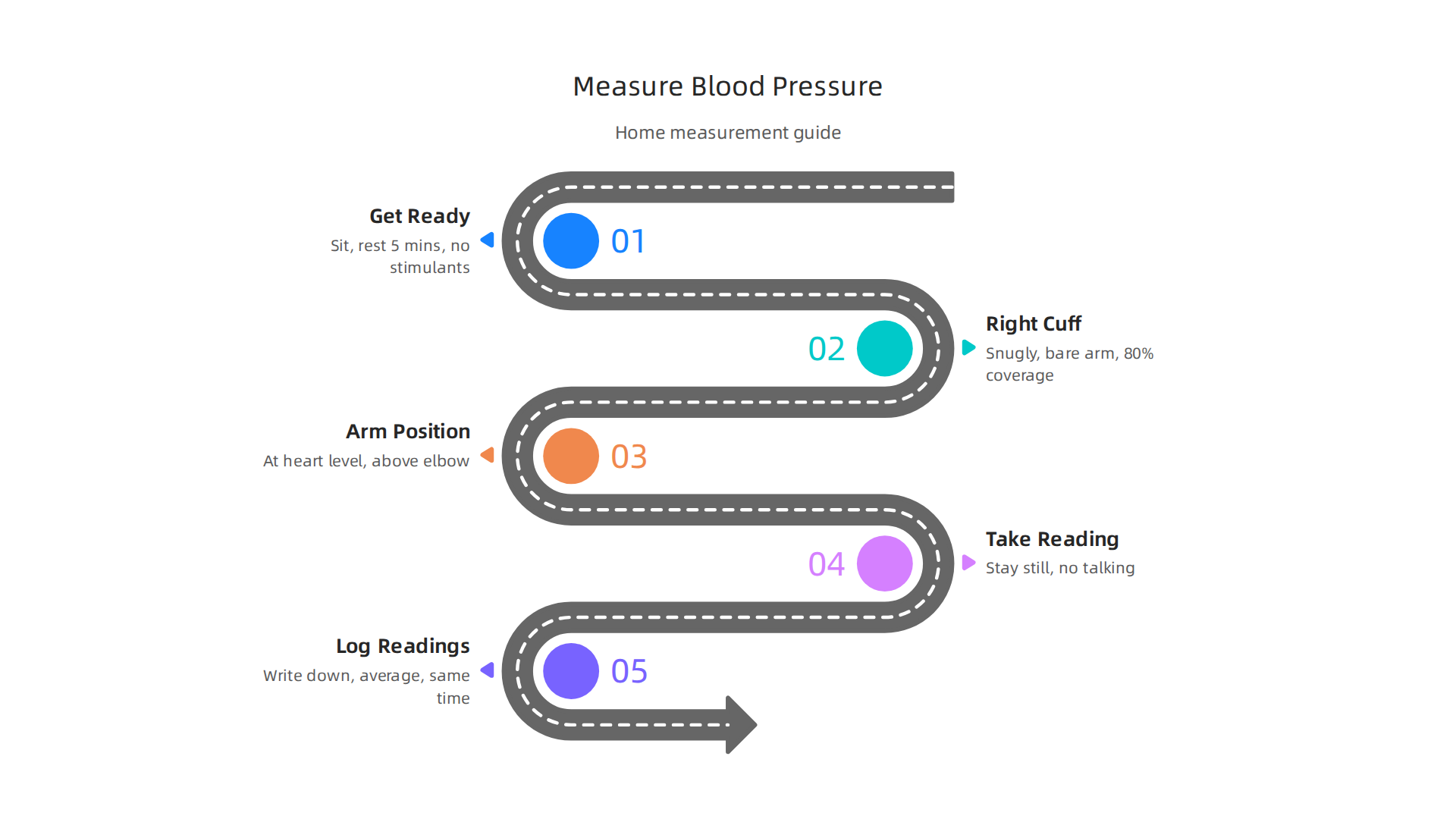
Here’s how to measure your blood pressure properly at home:
-
Get Ready:
- Find a quiet place.
- Sit down in a comfortable chair with your back supported. Your feet should be flat on the floor, not crossed.
- Rest for about 5 minutes before you start. This helps your autonomic nervous system in human relax.
- Do not smoke, drink caffeine, or exercise for at least 30 minutes before your measurement. These can temporarily change your blood pressure readings, as highlighted by best practices for accurate readings at home Best Practices for Accurate Blood Pressure Readings at Home.
-
Use the Right Cuff Size:
- This is super important! A cuff that’s too big or too small can give you wrong numbers.
- The cuff should fit snugly but not too tight around your bare arm. Never put it over clothes.
- Experts say the cuff’s bladder should cover about 80% of the distance around your arm Accurate Blood Pressure Readings: Choosing the Right-size Cuff. If you’re not sure, ask your doctor or pharmacist for help finding the right size. An incorrect cuff size can change your reading by a lot, sometimes 5-20 points higher or lower Why Is Cuff Size So Important and Other Factors That Affect Accurate BP Measurement.
-
Position Your Arm:
- Place your arm on a table so that the cuff is at the same level as your heart.
- The bottom edge of the cuff should be about one inch above your elbow bend. Make sure it’s on your bare skin How to Accurately Measure Your Blood Pressure at Home.
-
Take the Reading:
- Stay still and do not talk during the measurement.
- Push the start button. The cuff will inflate, then slowly let air out. Wait for the numbers to show up on the screen.
-
Log Your Readings:
- Write down your blood pressure numbers (the top number and the bottom number), along with the time and date. Some monitors save this information for you.
- Take two or three readings, one minute apart, each time you measure. Use the average of these readings.
- Take readings around the same time each day, like in the morning and evening, before you take any medicine.
- For a helpful visual guide, you can watch a short video on monitoring blood pressure at home Monitoring blood pressure at home: Tips for accuracy. – YouTube.
When to Talk to Your Doctor
Keep a log of your readings and share them with your doctor regularly. This helps them understand your overall health picture and decide if any changes are needed to keep your blood pressure at what is a normal blood pressure for you. Don’t try to change your medicines or treatment based on home readings alone. Always talk to your healthcare provider first, especially if you see numbers that are much higher or lower than usual, or if you’re worried about how to lower diastolic blood pressure.
Summary
This article explains what a normal blood pressure is, how anxiety and panic can cause short-term spikes, and when those changes are harmless versus when they need medical attention. It defines systolic and diastolic numbers, outlines current category ranges, and describes how the fight-or-flight response temporarily raises blood pressure. You’ll learn simple, evidence-backed breathing exercises (belly breathing, box breathing, 4-6 breathing) to calm your autonomic nervous system, plus discreet ways to use them in public. The guide also covers correct home measurement technique, cuff fit, logging readings, how often to check, and lifestyle steps—diet, exercise, sleep, and therapy—for long-term control. Practical rules of thumb and red-flag symptoms help you decide when to seek urgent care or consult your doctor.