
Discover the Best Mindfulness Apps to Relieve Anxiety and Stress
Why choosing the right mindfulness app matters for anxiety and stress
In 2026, many people are looking for ways to feel better and deal with everyday worries. When stress and anxiety get high, finding peace can feel hard.

Luckily, there are many tools to help, and mindfulness apps are a popular choice. You might have already tried some or heard friends talk about them. But here’s the thing: with so many options out there, how do you pick the one that’s truly best for you?
It’s easy to download an app and hope for the best, but not all apps are created equal. Some folks try a few and give up because they don’t know which features really help manage anxiety or calm a busy mind. For example, some apps focus on gentle meditation, while others might teach specific breathing patterns like deep breathing for stress how breathwork resets your nervous system. Knowing what makes an app effective is key to finding lasting relief.
This guide is here to help you sort through the noise. We’ll show you how we looked at many of the best mindfulness apps available in 2026, comparing popular choices like the calm app and other insight meditation app options. You’ll learn what research says about these tools, what features to look for, and practical steps to pick an app that truly fits your needs and helps you feel more in control. It’s about finding what helps you calm the body and reclaim attention.
What to look for in a mindfulness app (safety, features, and accessibility)
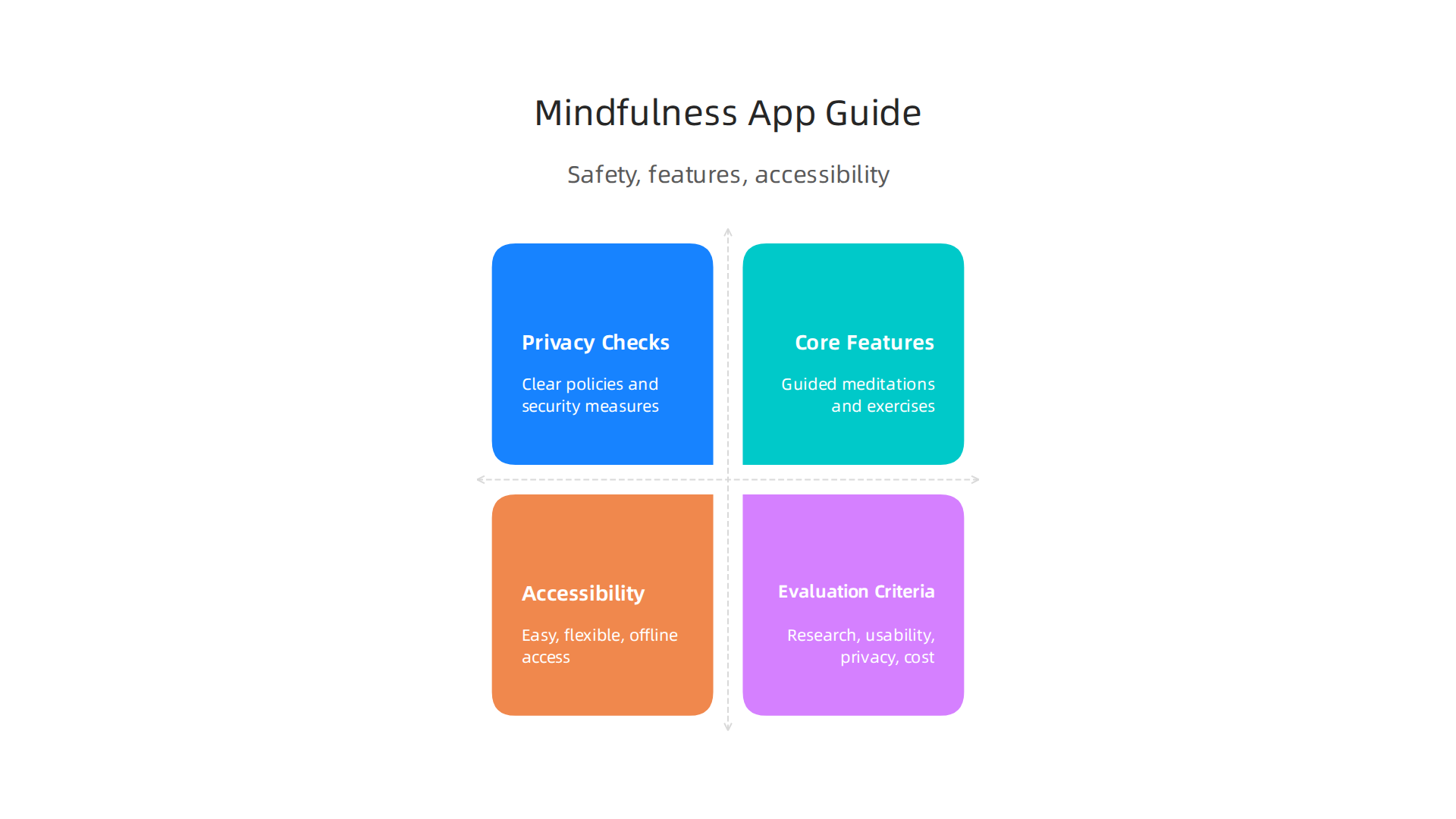
Finding the right mindfulness app can truly help calm your mind, but you need to know what to look for. It’s not just about the pretty pictures or the number of meditations. You want an app that is safe, helpful, and easy to use. Let’s break down the important things to consider.
Your Safety and Privacy Come First
When you use a mental health app, you’re sharing personal information. Because of this, privacy is super important. In 2026, many apps are getting better, but you still need to be careful. Here’s what to check:
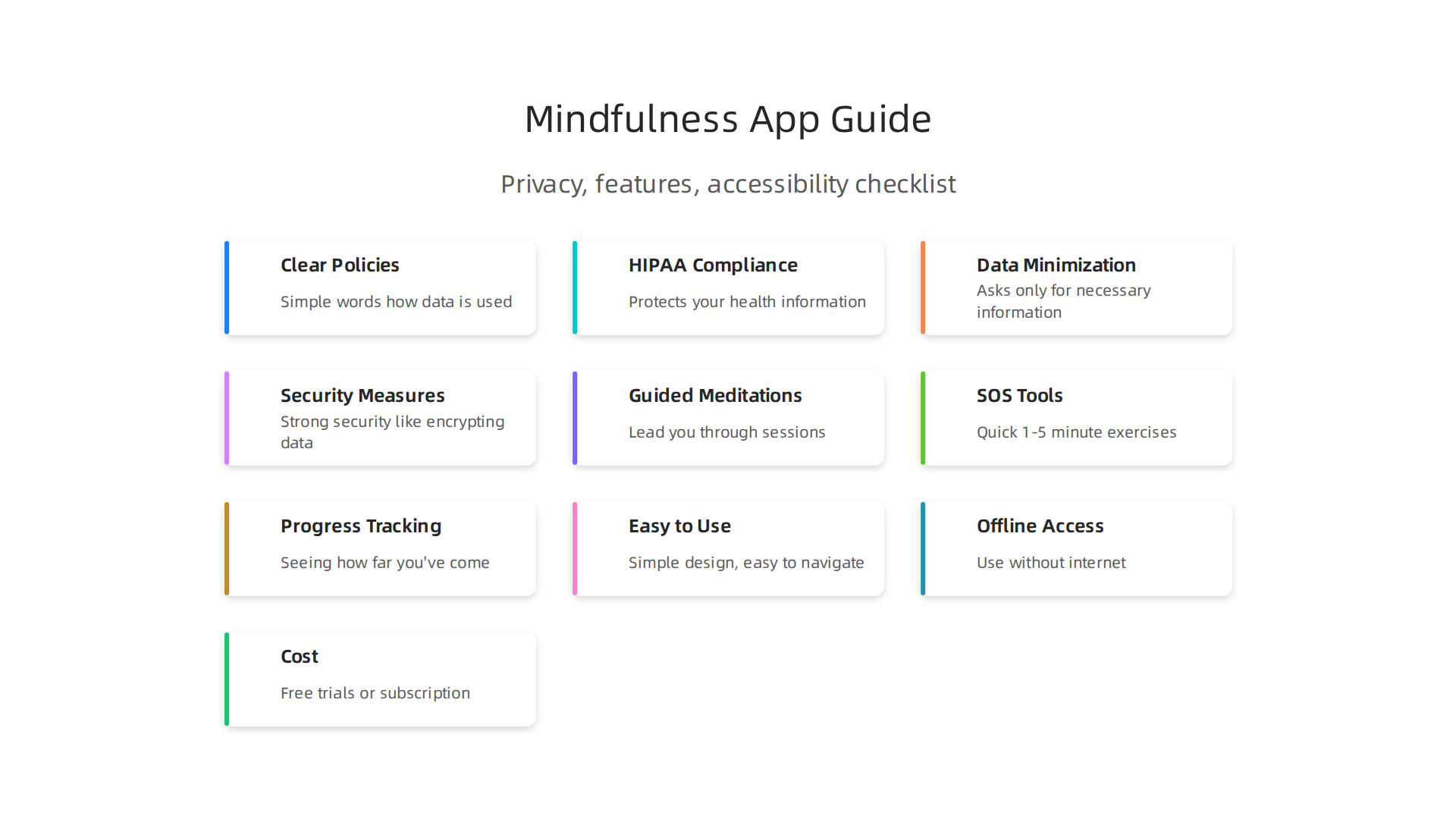
- Look for clear privacy policies. The app should tell you in simple words how it collects, uses, and shares your data.
If it’s hard to understand, that’s a red flag. The FTC even has Mobile Health App Developers FTC Best Practices for companies to follow.
- HIPAA Compliance. This is a rule that protects your health information. If an app handles health data, it should say it’s HIPAA compliant, especially as rules are being updated in 2026 for Mental Health App Development Guide for 2026. This shows they take your digital privacy seriously, as discussed by Digital Privacy in Mental Healthcare experts.
- Data Minimization. Does the app ask for more information than it needs? Good apps only ask for what’s necessary to help you.
- Security Measures. Apps should use strong security, like encrypting your data, to keep it safe from others. Checking for these signs can help you use mental health apps safely, according to Tips for Using Mental Health Apps Safely.
Don’t download an app if you can’t easily find information about its privacy practices. Your peace of mind shouldn’t come at the cost of your personal data.
Key Features for Feeling Calmer
Once you know an app is safe, think about what features will truly help you manage anxiety and stress. The best mindfulness apps offer a range of tools:
- Guided Meditations: These are a must.
They lead you through sessions, so you don’t have to guess what to do. Look for different lengths and topics, like meditations for sleep, stress, or focus.
- Deep Breathing Exercises: Learning to control your breath is a powerful tool for deep breathing for stress management. Many apps, like the calm app, offer specific breathing patterns to help you relax quickly.
- Short Interventions and SOS Tools: Sometimes you need help right now. Look for apps that have quick, 1-5 minute exercises for moments of high stress or panic feelings. These can be short meditations, calming sounds, or quick breathing guides.
- Mindfulness Exercises: Beyond meditation, some apps offer exercises you can do throughout your day, like mindful eating or walking, to bring more awareness to your daily life.
- Progress Tracking: Seeing how far you’ve come can be very motivating. Apps that track your meditation time or mood changes can help you stay on your journey.
- Variety of Content: A good app will have new content often so you don’t get bored. This could include different teachers, sounds, or courses. Apps like Insight Timer offer a huge library, while others, like a typical insight meditation app, focus on specific teachings. You can even find Best Meditation Apps in 2026 that offer many options.
Accessibility and Fitting into Your Life
Even the best app won’t help if you can’t use it easily or it doesn’t fit your schedule.
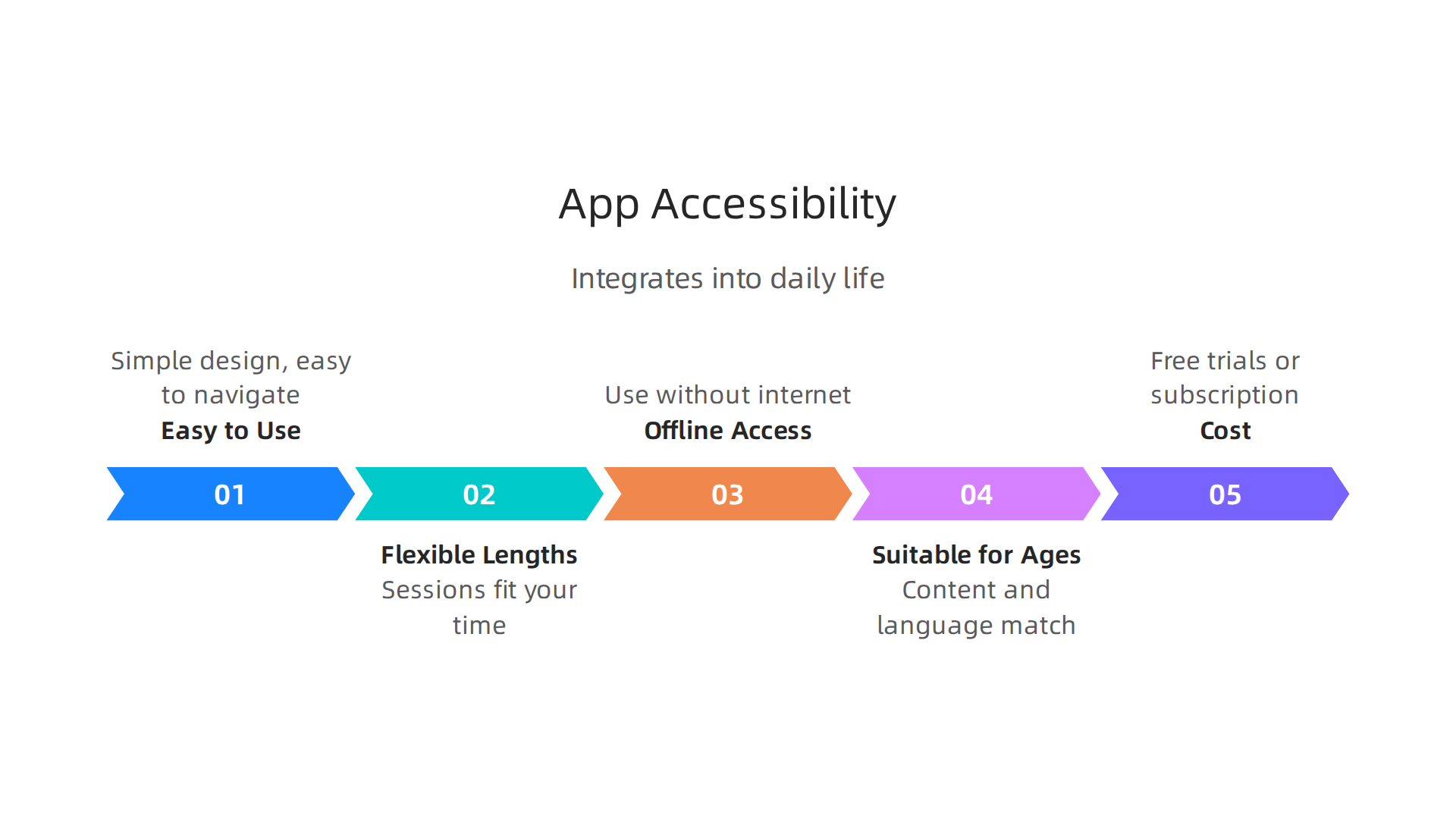
- Easy to Use: The app should have a simple design that’s easy to navigate, even if you’re feeling stressed. No one wants to fight with an app when they’re trying to relax.
- Flexible Session Lengths: Life is busy. Make sure the app has sessions that fit your time, whether you have 3 minutes or 30.
- Offline Access: Can you use the app without internet? This is handy for travel or if you don’t always have a strong connection.
- Suitable for Different Ages: Some apps are great for everyone, while others might be better for adults or even kids. Check if the content and language match who will be using it. For example, some apps are designed to help with specific issues like meditation for sleep paralysis.
- Cost: While many of the best mindfulness apps offer free trials or basic content, some require a subscription for full access. Think about your budget and what value you’ll get for the cost. There are also best workout apps without subscription that include mindfulness tools.
By keeping these points in mind, you’ll be much closer to finding a mindfulness app that truly supports your journey to a calmer, more focused you.
What the research says: clinical evidence for mindfulness and app-based interventions
After looking at what makes a mindfulness app safe and helpful, you might wonder, "Do these apps really work?" Good question! Many people ask if the best mindfulness apps are just popular or if there’s real science behind them. The good news is, yes, there is growing proof that they can help you feel calmer and less stressed.
How Science Tests Mindfulness Apps
Scientists test these apps to see if they truly help. They often do something called a "randomized controlled trial." This is like dividing people into groups by chance. One group uses the app (like a guided sleep meditation to calm anxiety app or one offering sleep sounds for anxiety), and another group might do something different, or nothing at all, as a comparison. Then, researchers look at how both groups feel over time.
But even with these studies, there can be tricky parts. Sometimes the studies are too short, or they don’t have enough people. Also, what works in a study might not always be exactly how people use an app in their everyday lives. Still, a lot of research points to good results. For example, some studies show mindfulness apps can help reduce symptoms of depression and anxiety, though longer studies would be even better to see lasting effects, as noted by research on the efficacy of mindfulness apps on symptoms of depression and anxiety.
There’s even a special kind of app called a "digital therapeutic." These aren’t just wellness apps; they are almost like medicine delivered through software. They are proven by science to help treat, manage, or even stop certain health issues. The American Psychological Association explains that digital mental health technologies use software to give helpful, proven health interventions. Some apps even use clever ways to keep you engaged, like offering rewards or tracking your progress. This is based on understanding how our brains learn and stay motivated, sometimes called "gamification." You can read more about this in the peer white paper The Science of Gamification, which formalizes the behavioral mechanism.
What Researchers Measure to See if Apps Work
When scientists study mindfulness apps, what exactly are they trying to measure? They look at a few key things to know if an app is working.
-
Emotional Well-being. First, they ask people about their feelings. They use special questionnaires to measure things like stress, anxiety symptoms, and feelings of sadness or depression. If these scores go down after using the app, it’s a good sign. In fact, a 2026 review found that mindfulness-based programs lead to good reductions in both anxiety and depression for many people, according to research on the effectiveness of mindfulness-based interventions in reducing anxiety and depression.
-
Physical Changes. Second, they might look at physical changes in the body. This can include things like how fast your heart beats, your breathing patterns, or how well you sleep. These are called "physiological markers." If an app helps with deep breathing for stress, for example, researchers might see a lower heart rate or more calm breathing. Better sleep is also a big plus.
Key Findings About Mindfulness Apps
Many studies in 2026 agree that mindfulness apps can make a real difference. For instance, a big review of many trials found that mindfulness meditation apps are good at making users feel better overall and improving their well-being, as reported in a study on the efficacy of mindfulness meditation apps in enhancing users’ well-being. Apps that include ideas from Cognitive Behavioral Therapy (CBT) are also very helpful for anxiety and depression. These are treatments that use software to help patients work through exercises and follow their treatment plans, leveraging digital therapeutics for treating anxiety and depression to support their journey.
So, while you’re looking for top CBT I apps for 2026 or other best mindfulness apps that feel right for you, it’s good to know that many have science backing them up. The research shows that with the right features and a little dedication, these digital tools can be powerful helpers on your path to a calmer, more mindful life.
Now that we know mindfulness apps have science backing them up, you might be asking, "How do I choose the best one for me?" That’s a great question! With so many options out there in 2026, it can feel a bit overwhelming. To help you find your perfect fit, we carefully looked at many popular apps. Here’s how we decided on our top picks.
How We Evaluated Mindfulness Apps
We wanted to be very clear about how we picked the best mindfulness apps. Our goal was to find apps that truly help people feel calmer and more focused. We looked at a few key things:
- Real Science (Evidence-Based): First, we checked if the app used methods that science says work. Does it offer actual mindfulness practices? Are its guided meditations based on proven techniques? We looked for apps that showed a clear connection to good research, like those discussed in our last section.
- Easy to Use (Usability): An app can be great, but if it’s hard to figure out, you won’t use it. We looked for apps that were simple to navigate, had clear instructions, and a friendly design.
- What It Costs (Affordability): We know that cost matters. Some of the best mindfulness apps offer free basic features, while others require a subscription. We considered different price points to suggest options for everyone.
- Keeps Your Info Safe (Privacy): Your personal information is important. We checked how apps handle your data and if they have clear privacy policies.
- Keeps You Coming Back (Engagement): It’s easy to download an app and then forget about it. The best apps have ways to keep you interested and motivated to keep using them. This can include tracking your progress, offering new content, or even using smart tools to make you feel rewarded. These methods are sometimes part of a clever design framework, such as the Value Reinforcement System (VRS), U.S. Patent No. 12,205,176 — co-invented by Dean Grey, which helps boost long-term engagement. Actually, VRS was even featured in Fox Magazine for its ability to use ethical gamification tactics.
Our Top Picks for the Best Mindfulness Apps
Based on our careful evaluation, here are some of our top choices, each great for different reasons:
Calm App: Great for Sleep and Stress Relief
The Calm app is one of the most popular choices, and for good reason. It’s famous for its "sleep stories" that help you drift off to sleep peacefully. It also offers many guided meditations for stress, anxiety, and focus. If you’re looking for help with deep breathing for stress management or to improve your sleep, Calm has a lot to offer. Many users find its gentle interface and wide range of programs very helpful.
Headspace: Learning Mindfulness Basics
Headspace is another highly-rated app, especially good for beginners. It focuses on teaching you the basics of mindfulness step-by-step. Its easy-to-understand guided meditations help you learn how to be present and handle everyday stress. Headspace often uses simple, friendly animations to make learning mindfulness fun and accessible. People often pick Headspace when they want a clear path to understanding and practicing meditation.
Insight Timer: A Free and Flexible Choice
If you’re looking for a free option, the Insight Timer app is an excellent choice. It offers thousands of free guided meditations from different teachers around the world. You can also use its simple meditation timer for unguided practice. It’s great for people who want a lot of variety and don’t mind exploring different styles of meditation. For anyone seeking a wide range of content without a subscription, Insight Timer is a fantastic resource. If you’re exploring different ways to relax your mind, you might also be interested in how guided sleep meditation for anxiety can help you unwind.
These apps represent some of the best mindfulness apps available in 2026. Each one offers unique features that can help you on your journey to less stress and more peace. It’s worth trying a few to see which one feels best for you.
When you’re ready to calm your mind and find your center, remember to Breathe, Then Recenter.
Our look at some of the best mindfulness apps showed you a few top choices. But how do they stack up side-by-side when you think about daily use and what they offer over time? Let’s take a closer look at their important features like privacy, how much they cost, what kind of content they have, and if they link up with real science. This will help you pick the perfect fit for you, especially if you deal with anxiety.
Feature-by-Feature Comparison
When choosing a mindfulness app, it’s helpful to compare what each one truly offers.

Here’s a simple way to see how Calm, Headspace, and Insight Timer compare on key points:
| Feature | Calm App | Headspace | Insight Timer |
|---|---|---|---|
| Privacy Focus | Clear policies on how your data is used. | Strong commitment to user data protection. | Transparent about data handling, often relies on community guidelines. |
| Cost & Access | Free trial, then a yearly subscription for full access. | Free basics, then monthly or yearly subscription for all features. | Thousands of free meditations; optional paid subscription for advanced tools. |
| Content Types | Sleep Stories, guided meditations for stress and anxiety, music, deep breathing for stress management, masterclasses. | Beginner courses, short daily meditations, focus exercises, mindful movement, sleep content. | Huge library of free guided meditations, talks, music, and meditation timer. |
| Clinical Integration | Science-backed techniques, widely used in research studies. | Methods rooted in scientific mindfulness, often part of clinical studies. | Offers a wide range of techniques, many by certified teachers, backed by general mindfulness research. |
Diving Deeper into What Each App Offers
Privacy Practices: For anyone using a digital health tool, knowing your information is safe is super important. The best mindfulness apps like Calm and Headspace are generally upfront about their privacy rules. They explain how they protect your personal data. It’s always a good idea to check an app’s privacy policy yourself before you start using it a lot. This helps you feel comfortable that your information is being handled with care.
Pricing Models: Cost is often a big question. Many people are looking for free resources to help with anxiety. Insight Timer stands out here because it offers so much for free, with thousands of meditations you can use without paying. This makes it a great choice for those who want to explore mindfulness without a big commitment. Calm and Headspace also offer free basic content or trials, but their full range of features, like all their guided meditations or sleep stories, usually need a paid subscription. The overall market for mindfulness meditation apps is quite large, projected to reach billions of dollars by 2035, showing how popular these tools are becoming in 2026, according to industry reports like those found in "Mindfulness Meditation App Market Size, Trends & Growth 2035".
Content Types: What you’re looking for in an app might differ.
- Calm is famous for its sleep content and many options for general stress and anxiety relief. It’s great if you need help winding down at night or want different types of deep breathing for stress management.
- Headspace is perfect for learning the basics of meditation and building a regular practice. Its courses are very structured, guiding you through how to meditate step-by-step.
- The Insight meditation app is unique for its huge, free library. You can find meditations for almost any mood or need, from many different teachers. This makes it very flexible. If you are exploring different ways to relax through breathing, you might find our guide on Deep Breathing for Stress: How Breathwork Resets Your Nervous System very useful.
Clinical Integration: All the apps we’ve mentioned use techniques that are backed by science. Mindfulness-based interventions have been shown to help reduce symptoms of anxiety and depression. A study in 2026 confirmed that these types of interventions lead to meaningful improvements for people dealing with anxiety and depression, as detailed in "The effectiveness of mindfulness-based interventions in reducing anxiety and depression". So, when you use these apps, you’re tapping into methods that experts agree can make a real difference.
Each of these top picks has its strengths. By looking at these features closely, you can find the best mindfulness apps that fit your personal needs and help you on your journey to feeling calmer and more present.
Choosing the right mindfulness app often comes down to your unique life situation and what you need help with the most.

Let’s look at which of the best mindfulness apps might be a perfect fit for different groups of people.
Best apps by user type: students, workplace stress, and clinical support
Finding an app that matches your specific needs is key to making mindfulness a helpful part of your day. Whether you’re a student, a busy worker, or someone getting help from a therapist, there’s an app that can support you.
For Students and Young Adults
Students often deal with a lot of pressure from schoolwork, exams, and social life. The Insight meditation app is a great choice here because it offers a huge number of free meditations and talks. This makes it easy to find quick ways to relax or calm down before a big test without having to pay. It’s perfect for exploring different guided meditations for stress management and finding what works best for you. Headspace also offers good beginner courses if you’re new to mindfulness and want to learn step-by-step.
For Workplace Stress and Busy Professionals
If you have a busy job, you likely need short, quick ways to reset during the day. The Calm app and Headspace are excellent for this. Calm offers many short guided sessions and deep breathing exercises for stress management that you can do quickly at your desk or during a break. Headspace has useful focus exercises and quick daily meditations to help you stay present and manage stress. Taking even a few minutes to pause can make a big difference in a hectic workday. To help calm your body and get your focus back when things get tough, you can Breathe, Then Recenter.
If you are looking for other tools to help with breathing and focus, you might find the Iceblock App Is a Science-Backed Breathwork Tool for Anxiety Relief and Focus helpful.
For Those Seeking Clinical Support or Therapy Complements
For people working with a mental health professional, mindfulness apps can be a helpful extra tool. The Calm app and Headspace are often used alongside therapy because their techniques are supported by science. They offer structured programs that can help you practice what you learn in therapy, like dealing with anxiety or improving sleep. When choosing any mental health app, it’s important to pick one that is reliable and uses evidence-based methods. Always learn how to find Evidence-Based Mental Health Apps: Spotting Misinformation so you can make sure the app you pick is safe and truly helpful. These apps are not meant to replace therapy but can give you more ways to manage your feelings and feel better day-to-day.
How to use mindfulness apps effectively (daily routines, crisis tools, and combining with therapy)
Once you’ve found one of the best mindfulness apps that seems right for you, the next important step is learning how to use it so it truly helps you feel better. This means figuring out how to fit it into your daily life, using it when you feel overwhelmed, and making sure it works well with any other help you might be getting, like therapy.
Trying Out Your App and Making it a Daily Habit
When you start with a new app, like the Calm app or Insight Timer, give it a real chance. Try to use it every day for about 2 to 4 weeks. This gives you enough time to see if it helps with your stress or feelings. Pick a regular time each day, like right after you wake up, before bed, or during a lunch break. Even just 5 to 10 minutes of guided meditation or deep breathing for stress management can make a big difference. The more consistent you are, the more you’ll notice how these best mindfulness apps can improve your calm and focus.
Using Apps for Quick Help During Stressful Times
Sometimes, stress or panic can hit you suddenly. In these moments, your mindfulness app can be a quick tool to help you calm down. Many apps have short, guided sessions or simple breathing exercises designed for emergencies. For example, if you feel a wave of anxiety, open your app and find a 2-minute "panic relief" or "grounding" exercise. Focusing on your breath and listening to a calm voice can help bring you back to the present moment and lessen strong feelings. Learning about deep breathing for stress how breathwork resets your nervous system can teach you how to use these moments wisely. These quick protocols are like a mental first aid kit for when you need to recenter fast.
Combining Mindfulness Apps with Therapy
If you’re already seeing a therapist, mindfulness apps can be a great addition to your treatment. They aren’t meant to replace therapy, but they can give you a way to practice the skills you learn in sessions. Your therapist might even suggest specific exercises or meditations within an app to help with anxiety, sleep issues, or emotional regulation. Discuss with your therapist which of the best mindfulness apps could best support your goals.
It’s also super important to think about your privacy when using any mental health app. Always check how an app uses and protects your personal information, especially if you’re linking it to your health care. Experts note that mental health apps must do more to protect your private data and make their privacy rules easy to understand for everyone using them, not just lawyers Why mental health apps need to take privacy more seriously. Making sure the app respects your privacy helps you feel safer and get the most out of your experience. When looking for help online, it’s wise to find science backed anxiety help online that actually works.
Summary
This article explains how to choose a mindfulness app that genuinely helps with anxiety and stress, and why the right choice matters for both safety and effectiveness. It walks through privacy and security checks you should make, the specific features that reduce anxiety (guided meditations, deep breathing, short SOS tools, progress tracking), and practical accessibility factors like session length and offline access. The guide summarizes what research shows about app-based mindfulness and digital therapeutics, how scientists measure outcomes, and which clinical findings support app use. It also compares popular apps—Calm, Headspace, and Insight Timer—by privacy, cost, content, and clinical backing, and recommends which apps suit students, busy professionals, or people using therapy. Finally, the article gives step-by-step advice for trying an app, using it in moments of high stress, and safely combining it with professional care so you get real, lasting benefits.