
Best Blood Pressure Monitors for Anxiety Stop False Readings
Why choosing the right home blood pressure monitor matters for people with anxiety
If you deal with anxiety, you know it can make your body feel strange sometimes. One common concern is how anxiety affects your blood pressure. When you feel stressed or anxious, your heart might beat faster and your blood pressure can go up for a short time. This is a natural body response, but it can sometimes lead to confusing blood pressure readings, especially when you’re at the doctor’s office. Think about it: going to the clinic itself can make some people feel a bit nervous!
Because of this, it’s really helpful to keep an eye on your blood pressure at home. Home monitoring lets you see your numbers when you are calm and in a familiar place.
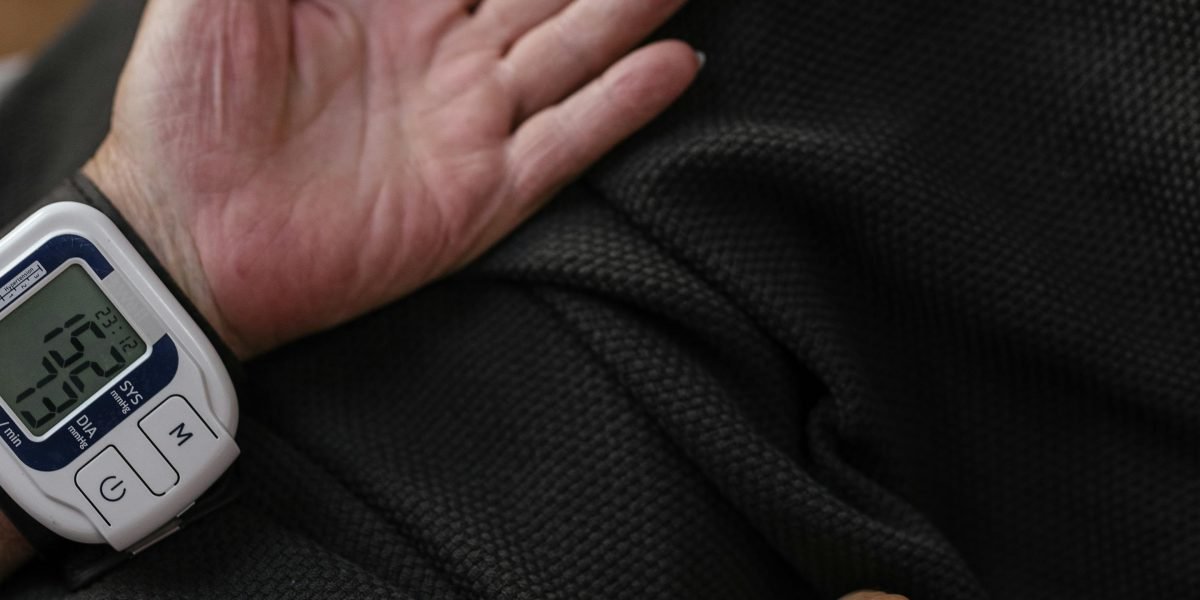
This way, you can track true trends and spot any concerning changes without relying on just one reading at the clinic that might be higher due to nerves. Research even shows that feelings of anxiety or calm can cause false blood pressure readings Anxiety or Calm Can Cause False Blood Pressure Readings.
Choosing the right device is key here. Not all blood pressure monitors are the same. Some are better at giving accurate readings even when you might have some physical symptoms of anxiety. If a monitor is hard to use or gives inconsistent results, it can make anxiety worse, not better! That’s why finding the best blood pressure monitors that work well for people with anxiety is so important.
A good home blood pressure monitor helps you understand your body better. It helps you see how things like stress or different times of the day affect your numbers. This kind of information is powerful. It can help you and your doctor make better choices about your health. It also helps you learn to regulate your nervous system, so your readings are more consistent.
Calm the body and reclaim attention. Take a moment to Breathe, Then Recenter before your next reading.
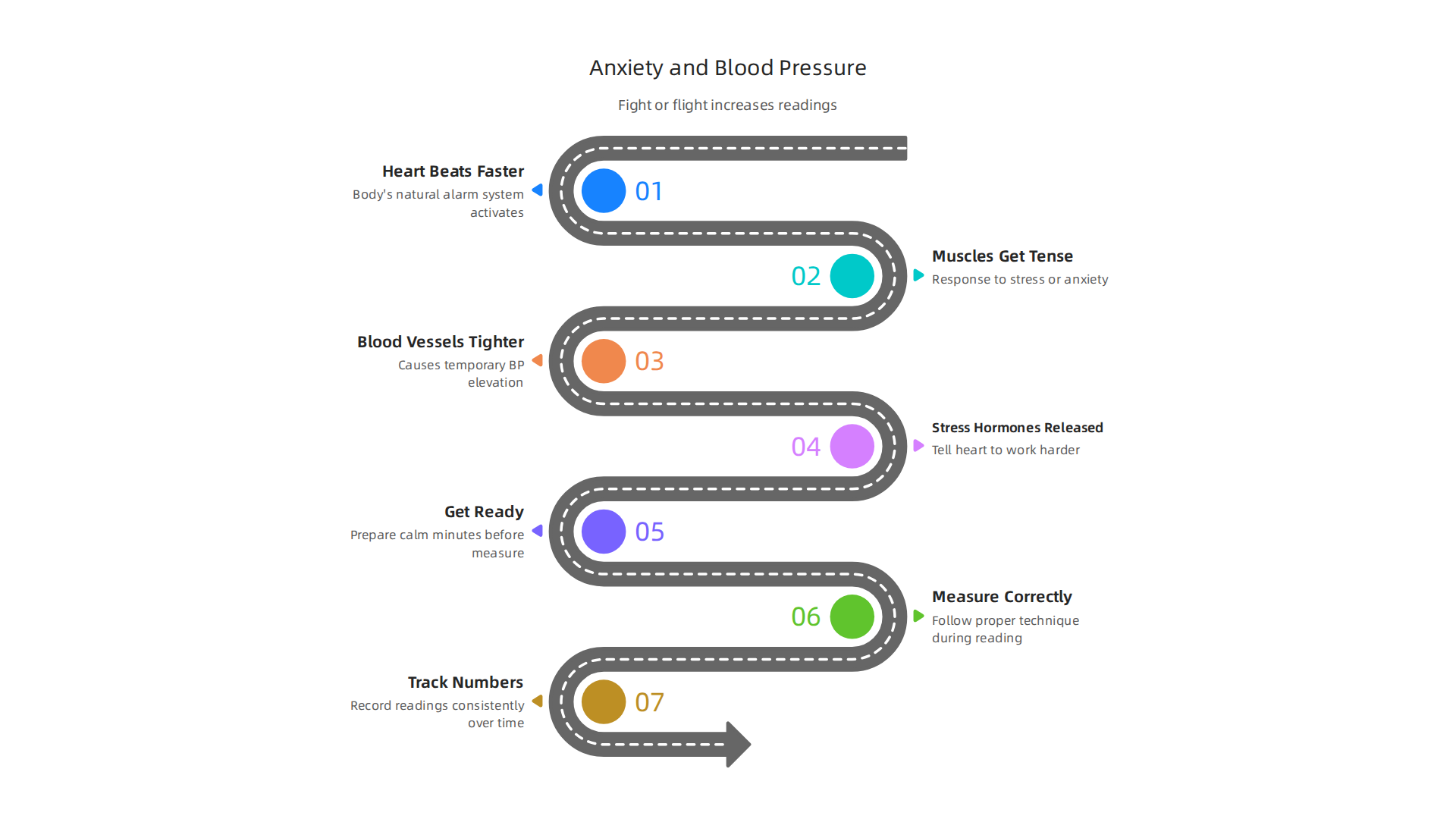
Anxiety really can play tricks on your body, making your blood pressure numbers look different than they truly are. When you feel anxious or stressed, your body turns on its "fight or flight" mode. This is a natural alarm system. What happens then? Your heart beats faster, your muscles get tense, and your blood vessels get a bit tighter. All these things make your blood pressure go up for a short while.
It’s one of the common physical symptoms of anxiety.
This temporary jump in blood pressure is because your body releases stress hormones. These hormones tell your heart to work harder. Researchers have found that mental stress can cause your sympathetic nervous system to act up, affecting your blood pressure Anxiety, Stress-Related Factors, and Blood Pressure in Young Adults. So, if you’re feeling nervous when you get your blood pressure checked, that reading might show higher numbers, even if your blood pressure is usually fine. This is often called "white coat syndrome."
It’s super important to know if your high readings are just temporary spikes from anxiety or if you have high blood pressure all the time.

If it’s just from anxiety, you might not need the same kind of medical treatment as someone with constant high blood pressure. But here’s the thing: long-term anxiety and stress can sometimes lead to ongoing high blood pressure, called hypertension. This is why paying attention to your numbers at different times is key.
Knowing when your blood pressure readings are high because of stress helps you and your doctor make smart decisions. For example, if your readings are often high during stressful times, it might be a sign to work on ways to regulate your nervous system. This could involve breathing exercises or other calming techniques. You can learn more about how Breathing Exercises for High Blood Pressure and Anxiety Help Lower Your Numbers.
This is also why choosing the best blood pressure monitors for home use is so important. A good monitor helps you gather many readings over time, showing true trends instead of just one high number from a stressful moment. This helps you get a clearer picture of your health, making sure you don’t worry too much about a temporary spike or miss a real problem.
Common sources of false or misleading home BP readings (for anxious users)
Even with the best blood pressure monitors, getting the right reading at home can be tricky. Many small things can make your numbers look wrong. This is extra true if you often feel nervous, because anxiety can make these mistakes even worse. Knowing these common traps helps you get a truer picture of your health.
How you take your blood pressure matters
First, let’s talk about what you do, or don’t do, before and during the measurement. These little actions can change your blood pressure numbers a lot:
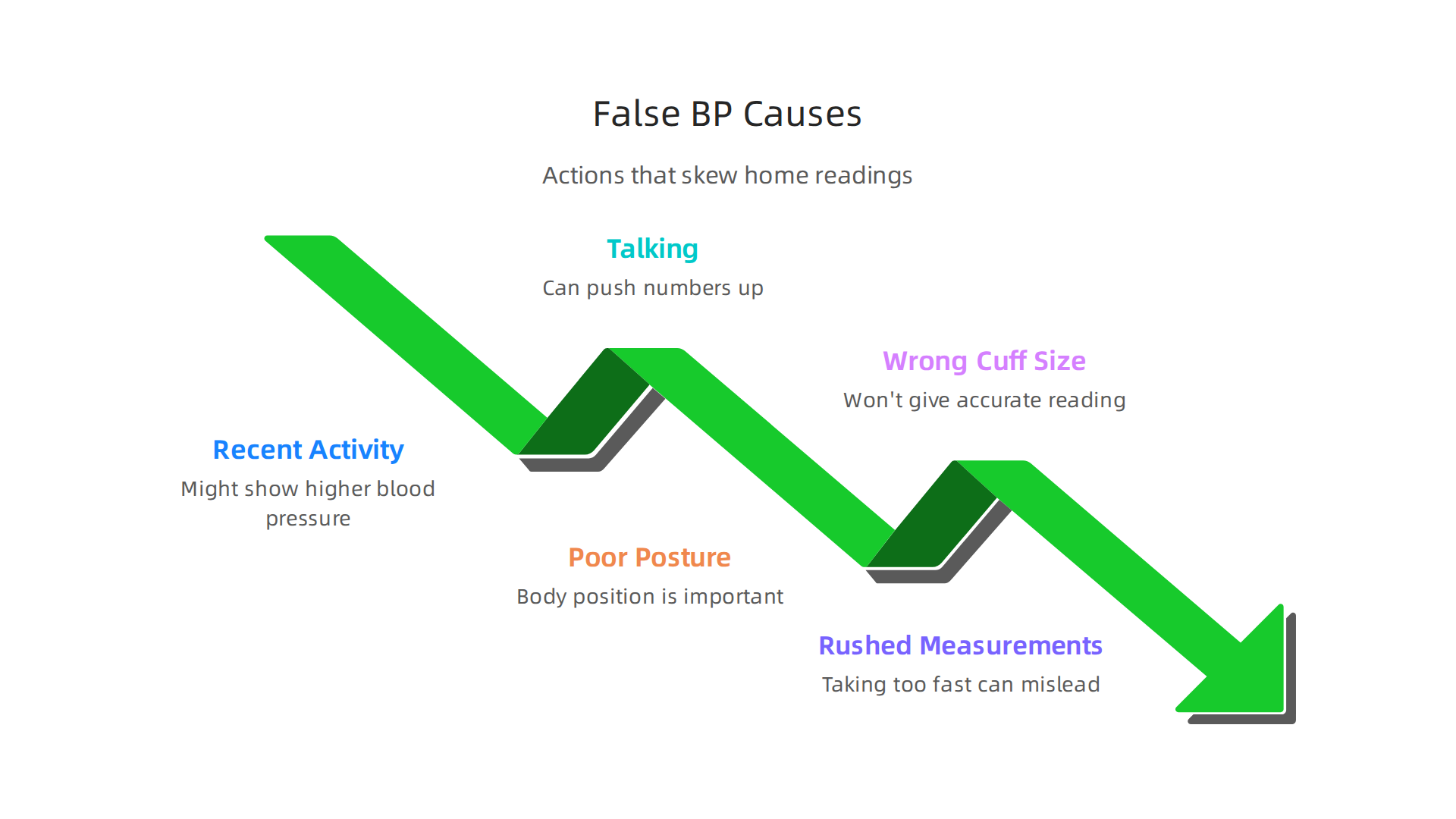
- Recent Activity: If you just walked around, exercised, or even had a quick chat, your blood pressure might be higher. It’s best to sit still and relax for at least 5 minutes before taking a reading.
- Talking: Chatting while your blood pressure is being measured can push your numbers up. Stay quiet during the measurement.
- Poor Posture: Your body position is important. Sit with your back supported, feet flat on the floor, and your arm resting on a table so the cuff is at heart level. Don’t cross your legs.
- Wrong Cuff Size: This is a big one. A cuff that is too small or too large won’t give you an accurate reading. Always make sure you’re using the right size cuff for your arm.
- Rushed Measurements: Taking your blood pressure too fast or only once can be misleading. It’s better to take two or three readings a minute apart and average them. Studies show that even calm feelings can lead to false readings, so proper technique is key Anxiety or Calm Can Cause False Blood Pressure Readings.
Your monitor’s type and fit also play a role
Next, the device itself can be a source of error. Not all blood pressure monitors are the same.
- Cuff Type: Upper-arm monitors are usually better and more accurate than wrist monitors. Wrist monitors can be handy, but they need to be placed just right and are more easily affected by body position. For most reliable home readings, an upper-arm cuff is generally recommended.
- Lack of Clinical Validation: This means the monitor hasn’t been tested by experts to prove it gives correct numbers. Always look for monitors that are "clinically validated" to ensure they are trustworthy. These are often the
best blood pressure monitorsbecause they meet strict accuracy standards. - Poor Cuff Fit: Even if it’s the right size, a cuff that’s not wrapped snugly and smoothly can give wrong numbers. It should be firm but not too tight.
When you’re anxious, it’s easy to rush things or not pay enough attention to these details. This can lead to false high readings, which only makes your worries about your health even bigger. To get truly accurate numbers, slow down, follow the steps, and choose a reliable monitor. If you want to learn more about picking the right device to help you track your numbers and manage anxiety, check out these insights on the Best Blood Pressure Monitors for Anxiety to Stop False Readings and Track Your True Numbers. Remember, taking a moment to calm yourself before measuring can also help regulate your nervous system and get a more accurate reading.
Calm the body and reclaim attention. Breathe, Then Recenter.
When you’re ready to buy a home blood pressure monitor, picking the right one is super important. There are many choices out there, but not all of them give you accurate results. To get the best blood pressure monitors that you can truly trust, here’s what to look for.
Always Look for Clinical Validation
This is the most important thing. "Clinical validation" means that the blood pressure monitor has been tested by doctors and experts using strict rules. They check to make sure the device gives correct numbers. Think of it like a stamp of approval from science.
Many trusted health groups recommend using only monitors that have passed these special tests Validated devices for home blood pressure monitoring.
You can often find lists of these approved devices from organizations that help people understand home blood pressure monitoring AMA Validated Devices for Home BP Monitoring. Buying a monitor without this validation means you might get numbers that are not true, which can make you worry more or miss important health signs.
Cuff Design and How it Fits Your Arm
After validation, think about the cuff itself. The cuff is the part that wraps around your arm.
- Upper-Arm Cuffs are Best: Most doctors agree that upper-arm monitors are more reliable than wrist monitors. Wrist devices are easy to use, but they can be tricky to position correctly and might give different numbers based on how you hold your arm comparison of utility of a wrist-worn blood pressure monitor. For the most accurate readings at home, an upper-arm cuff is usually the way to go Which BP Monitor is Right for Me – Wrist or Upper Arm?.
- The Right Size Matters: Just like clothes, blood pressure cuffs come in different sizes. A cuff that’s too small or too big will give you wrong numbers. Before you buy, measure your arm around the middle, where the cuff will sit. Then, make sure the monitor you pick has a cuff that fits your arm size. Many
best blood pressure monitorsoffer different cuff sizes or adjustable cuffs.
Choosing a monitor carefully helps you get true readings, which means you can better understand your body and keep an eye on your heart health. When you know your readings are correct, it can also help to calm your mind and regulate your nervous system, reducing the physical symptoms of anxiety that can sometimes come from worrying about your health. Learning about Deep Breathing to Lower Blood Pressure can also be a good step to help manage your numbers.
To truly understand your health and help calm any worry, getting numbers you can trust from your best blood pressure monitors is key. Here’s how certain features can make a big difference, especially if you sometimes feel anxious about your readings or experience physical symptoms of anxiety.
Monitor Types and Features That Help Anxious Users Get True Numbers (Connected Apps, Averaging, Alerts)
Sometimes, just the act of taking your blood pressure can make you feel nervous, which can cause your blood pressure to go up a little, giving you a number that isn’t truly your normal reading. This is why having helpful features on your monitor is so important.
Smart Features for Easier, More Accurate Readings
Many people find it tricky to measure their blood pressure correctly at home. Actually, a lot of patients struggle to measure blood pressure at home, which can lead to readings that aren’t quite right. The best blood pressure monitors help with this in a few ways:
- Automated Averaging: Instead of relying on just one reading, many monitors will take a few readings back-to-back and then give you an average. This is super helpful because it smooths out any temporary bumps from nerves or small movements, giving you a more true picture of your blood pressure. This way, you get a stable number that can help regulate your nervous system and avoid false alarms.
- Clear Cuff-Fit Indicators: Remember how important the right cuff size is? Some monitors have a special light or symbol that tells you if the cuff is on your arm just right. If it’s too loose or too tight, the monitor will let you know, so you can fix it before taking the reading. This simple check takes away guesswork and helps you get a correct number every time.
- Guided Measurement Flows: Some devices walk you through each step of taking your blood pressure, from sitting correctly to staying still. This guidance reduces mistakes and can make the whole process less stressful.
Connectivity and Apps for Better Tracking
Modern blood pressure monitors often connect to your smartphone or tablet through an app. This connection can be a game-changer for managing your health.
- Easy Tracking: The app automatically saves all your readings, so you don’t have to write them down. You can see your history over days, weeks, or months, which helps you spot trends.
- Share with Your Doctor: Many apps let you easily share your readings with your doctor. This means your doctor gets a full and accurate view of your blood pressure over time, not just one reading taken in their office. Having mobile health monitoring can truly improve how hypertension is managed.
- Spotting Outliers: The app can sometimes highlight readings that seem unusually high or low, which might be helpful for discussing with your doctor or re-taking the measurement if you think it was an error. This helps you understand your overall health without getting too worried about one single odd reading.
- Staying Engaged: Some apps even use fun "gamification" features, like earning points or badges, to help you stay on track with regular monitoring. The Role of Gamification in Hypertension Patient Engagement can be a good way to keep users motivated.
Choosing one of the best blood pressure monitors with these smart features can give you peace of mind. When you know your device is helping you get accurate readings and track them easily, it can reduce the worry that sometimes comes with monitoring your health. This helps to quiet those physical symptoms of anxiety and keeps you feeling more in control.

For more choices on devices, read about the best blood pressure monitors for anxiety to stop false readings and track your true numbers.
Taking control of your health monitoring can also be a step toward feeling calmer overall. If you’re feeling overwhelmed, sometimes it helps to pause and reset.
Breathe, Then Recenter
To truly get helpful numbers and calm any worry, how you take your blood pressure at home is just as important as the monitor you use. Even the best blood pressure monitors can give you numbers that are not quite right if you aren’t ready. This is especially true if you often feel nervous or experience physical symptoms of anxiety. Following a simple, calm routine helps your readings be accurate and can even help regulate your nervous system.
Here’s a step-by-step guide to get reliable readings at home:
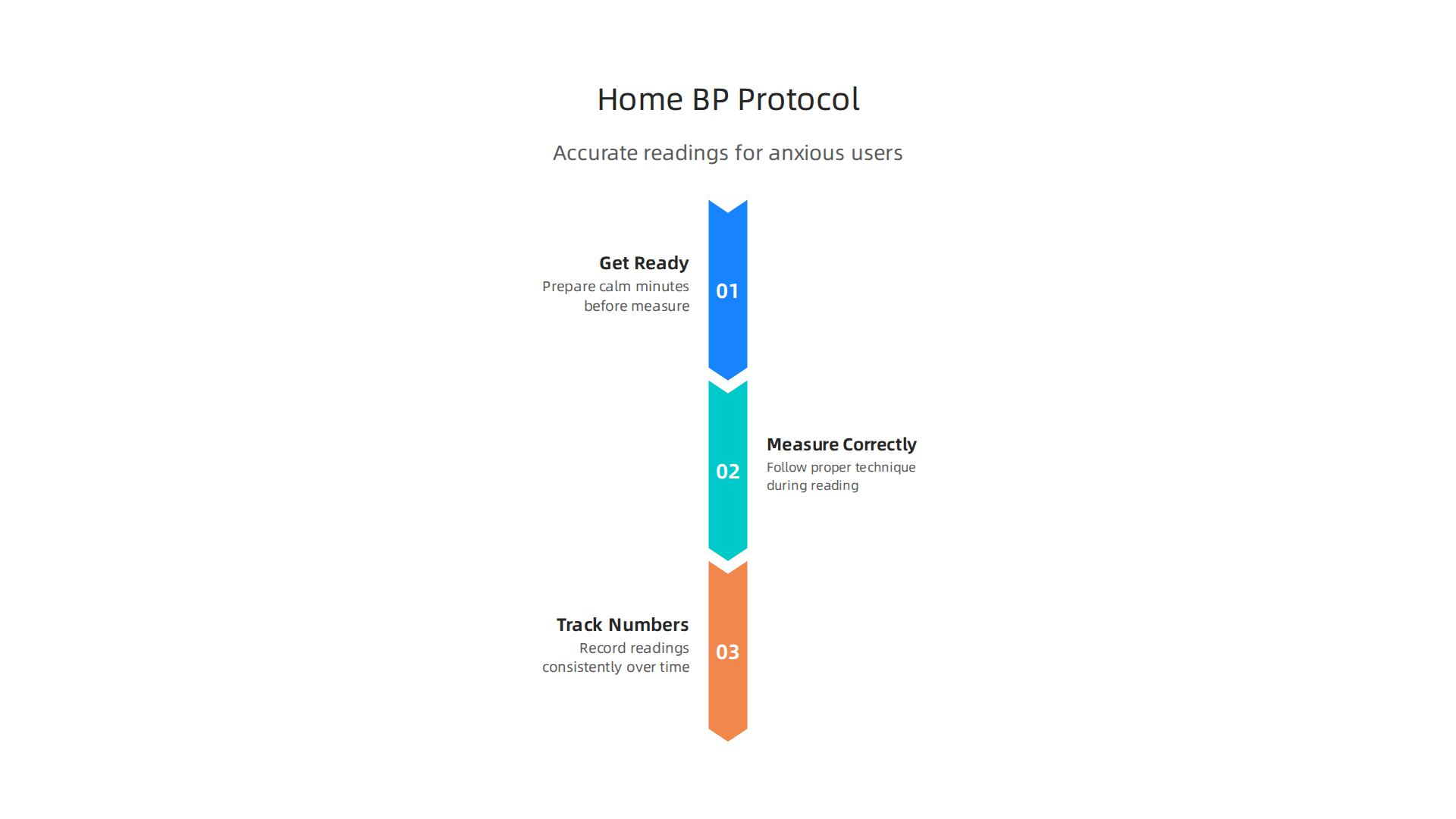
1. Get Ready Before You Measure
Before you even put on the cuff, taking a few minutes to prepare can make a big difference in your reading.
- Find a Quiet Spot: Go to a calm place where you won’t be interrupted.
- Sit Right: Sit upright in a chair with your back supported. Your feet should be flat on the floor, and your legs uncrossed.
- Rest Your Arm: Place your arm on a table or something similar so the cuff is at the same height as your heart. Your palm should be facing up. For more tips on getting ready, check out this guide on How To Take Blood Pressure Measurements.

- Avoid Triggers: For at least 30 minutes before, do not eat, drink coffee, exercise, or smoke. These things can temporarily raise your blood pressure. You can find more details in A How-To Guide to Home Blood Pressure Monitoring.
- Take a Deep Breath: Taking a few slow, deep breaths before you start can help you relax and settle your heart rate. This simple trick can help regulate your nervous system and prevent your anxiety from making your numbers seem higher than they truly are. Learn more about how to calm your body with Deep Breathing for Stress: How Breathwork Resets Your Nervous System.
2. Measure Correctly
Once you’re calm and ready, it’s time to take your reading.
- Bare Arm Only: Place the cuff directly on your bare skin. Don’t put it over clothes.
- Stay Still and Quiet: While the machine is taking your blood pressure, do not talk or move. Talking can actually make your blood pressure go up a bit, giving you a false reading. An infographic on How to Measure Blood Pressure at Home Infographic shows this clearly.
- Take Multiple Readings: Take at least two readings, waiting about one minute between each. Many of the
best blood pressure monitorswill average these readings for you, which gives you a more reliable number. This helps smooth out any little changes from moment-to-moment nervousness.
3. Track Your Numbers Over Time
Getting one reading is good, but seeing how your blood pressure changes over days and weeks is even better.
- Record Your Readings: Write down your blood pressure numbers, including the date and time. Many modern
best blood pressure monitorsdo this for you automatically through a smartphone app, making tracking super easy. - Be Consistent: Try to take your blood pressure at the same times each day, like in the morning and evening.
- Look for Trends: Your doctor will be most interested in your average readings over several days, not just one single number. It’s often recommended to record readings for three to seven days leading up to a doctor’s visit, as explained by Home Blood Pressure Monitoring | AFP. This helps to separate any temporary anxiety spikes from your true, sustained blood pressure. Don’t worry too much about one high reading if your average is usually good. This long-term view can give you a better idea of your health and lessen the worry about single numbers.
Getting into the habit of tracking your blood pressure over time is a smart step, especially if you deal with feelings of nervousness or physical symptoms of anxiety. It helps you and your doctor get a much clearer picture of your health. Regularly sharing your home readings with your care team helps them make better choices about your care. This also helps calm the worry that often comes with a single high reading, because your doctor will focus on the bigger picture of your numbers over many days.
Many of the best blood pressure monitors today make tracking easy. They can connect to smartphone apps that save your readings automatically. This takes away the extra work of writing down numbers. But sometimes, even with easy-to-use tools, it can be hard to keep up with checking your blood pressure every day. This is true for many, but especially for those who feel anxious or worry about numbers like low diastolic blood pressure. In fact, some studies show that many patients struggle to keep up with home blood pressure monitoring in the long run.
To help people stay on track, smart apps are now using fun ways to keep you engaged. This is called "gamification." It’s like playing a game where you get points or rewards for regularly taking your blood pressure. For example, apps can give you a little cheer for consistent tracking or help you see your progress over time like a game score. This kind of behavioral design helps you build good habits and makes tracking less of a chore and more of a positive routine. Learning more about how apps use these ideas can be found in resources like The Role of Gamification in Hypertension Patient Engagement.
It is important that these fun ways to track blood pressure are made carefully. They should work together with what your doctor recommends. The main goal is always to help you manage your health better and regulate your nervous system through accurate information, not just to play a game. The use of these smart tools helps turn a routine task into something more engaging. When you understand how these tools work, it can help you find the best blood pressure monitors for your needs and track your true numbers, reducing false readings caused by anxiety. You can learn more about this by reading the peer white paper The Science of Gamification, which formalizes the behavioral mechanism.
Summary
This article explains why choosing the right home blood pressure monitor is especially important for people with anxiety and how anxiety can cause temporary spikes that confuse true readings. It covers how stress and