
Trouble Breathing From Anxiety Why It Happens And How To Find Relief
Why anxiety makes you feel breathless and what this guide will do for you
Have you ever felt like you couldn’t get a full breath, even when there’s plenty of air around you? This scary feeling of having trouble breathing is a very common sign of anxiety. It’s a truly upsetting experience, making you feel trapped and even more worried. When anxiety kicks in, your body thinks it’s in danger. It gets ready to fight or run away, flooding you with stress hormones. This can make your heart beat fast, your muscles tense up, and your breathing become quick and shallow. Sometimes, it can feel like a sleep deprivation anxiety attack has taken over, leaving you gasping for air.
But why does this happen? And more importantly, what can you do about it? This guide is here to help you understand just that. We’ll look at why anxiety messes with your breathing. We’ll give you simple, easy-to-follow breathing tools that you can use right away. You’ll learn how these techniques work to calm your body and mind, helping you feel better fast. You can learn more about how anxiety breathing techniques that calm your limbic system are very helpful.
We promise to give you clear facts and real ways to find relief. This article will balance science with practical tips. We will cover:
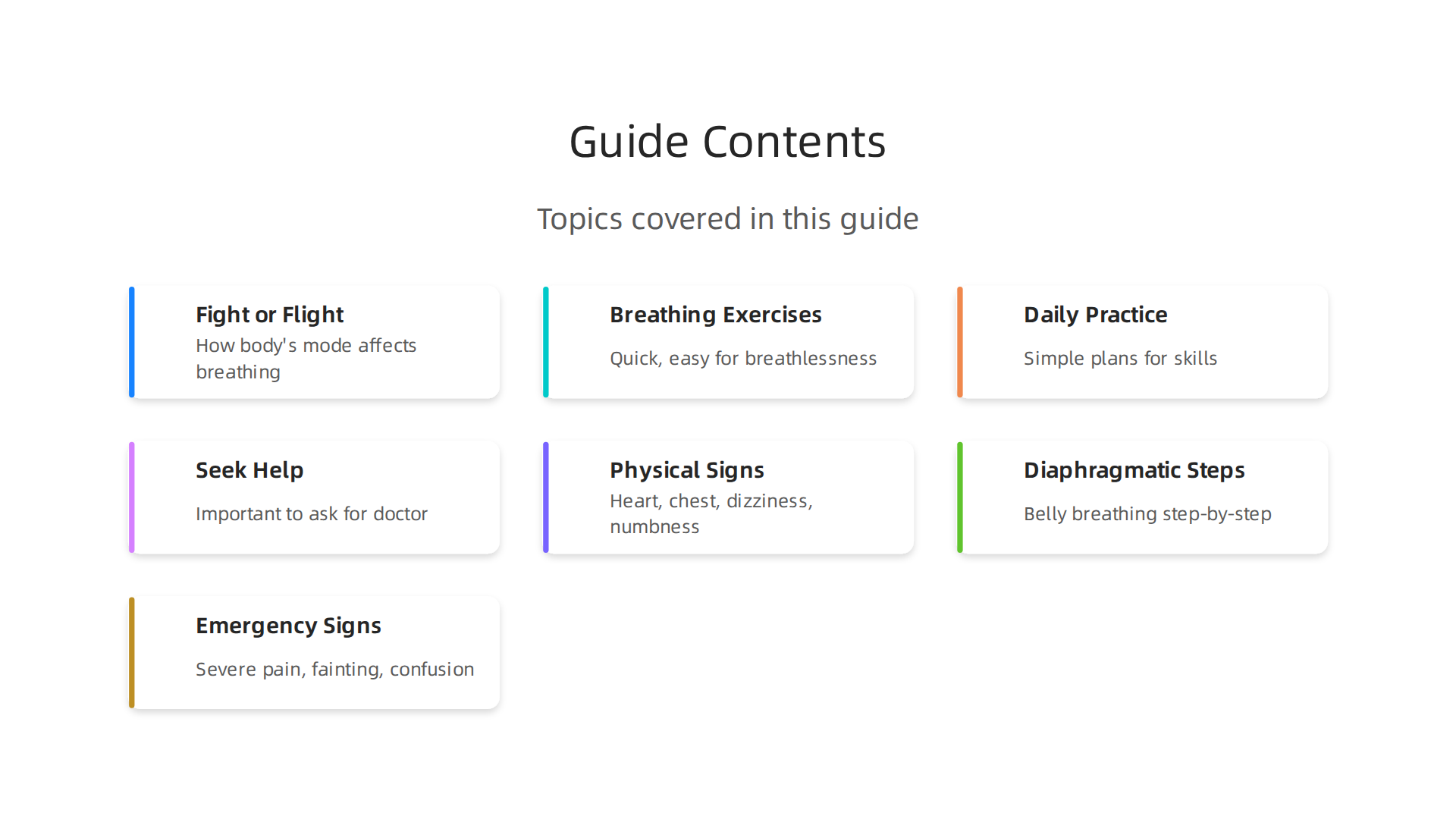
- How your body’s "fight or flight" mode affects your breathing.
- Quick and easy breathing exercises for when you feel breathless.
- Simple plans to practice these skills every day.
- When it’s important to ask for more help from a doctor or therapist.
By the end, you’ll have a toolkit to manage that awful feeling of trouble breathing when anxiety strikes. You’ll gain a better understanding of your body’s signals and how to gently guide it back to calm.
Calm the body and reclaim attention. Breathe, Then Recenter
When anxiety makes you feel like you can’t catch your breath, a lot of things are happening inside your body. It’s not just "in your head," even though your mind plays a big role. This feeling of "trouble breathing" is a real physical response to stress.
Here’s a simple look at what’s going on:
Your Body’s Alarm System Goes Off
When you’re anxious, your body thinks you’re in danger. It doesn’t matter if the danger is a tiger or just a pile of homework. Your brain switches on your "fight or flight" mode. This makes your body flood itself with stress hormones. These hormones get you ready to run or fight.
One big change is to your breathing. You start to breathe faster and shallower. This is called hyperventilation. Your body does this to try and get more oxygen in quickly. But actually, it can throw off the balance of gases in your blood, making you feel lightheaded or dizzy. It can even make the feeling of "trouble breathing" much worse. Sometimes, people think they are having a sleep deprivation anxiety attack when this happens, as it feels very sudden and intense.
The quick breathing can also make your heart pound. For some, this intense reaction can also lead to temporary changes in blood pressure readings. While usually not a serious health issue in itself, it can make the overall feeling of being unwell even stronger.
How Your Mind Makes It Worse
Your body has a special way of sensing what’s happening inside it. This is called interoception. When you’re anxious, your brain can become super sensitive to these body signals. So, a normal change in breathing or a slight quickening of your heart feels much bigger and scarier than it actually is. It’s like turning up the volume on all your body’s signals.
This extra sensitivity, combined with anxious thoughts, can make you think something terrible is happening. You might feel a slight shortness of breath and instantly believe you can’t breathe at all. This "catastrophic interpretation" makes the physical feeling much more intense and frightening. For example, researchers study how our bodies sense breathing and how anxiety can change this perception of breathlessness, making us feel it more strongly than others might Estimating Interoceptive Sensitivity from Physiological Breathing.
Is It Real or Just My Anxiety?
It’s important to know that the feeling of "trouble breathing" during anxiety is very real to you. Your body is truly responding to stress. However, in most cases, it does not mean you are actually unable to get enough oxygen or that you are in physical danger. You are likely taking in plenty of air, but your body’s systems are just overreacting. The feeling is more about your brain’s interpretation of your breathing than a true lack of air. Understanding this difference can be the first step to feeling more in control. For more detailed insights into this common anxiety symptom, explore our guide on trouble breathing from anxiety why you feel breathless and how to fix it.
When your body’s alarm system goes off, it doesn’t just affect your breathing. Many other physical feelings can happen at the same time, making the experience of trouble breathing feel even bigger. Knowing these common signs can help you understand what’s happening.
Common physiological signs that accompany anxiety-related breathing problems
When anxiety makes you feel like you can’t catch your breath, you might notice other things happening in your body too. These are all part of your body’s "fight or flight" response, making it feel like a real physical event.
Here are some common signs:
- Rapid Heartbeat or Palpitations: Your heart might pound or race. This is common because your body is pumping blood faster to get ready for action Panic Attacks & Panic Disorder.
- Chest Tightness or Pain: You might feel a heavy or squeezing feeling in your chest. This can be very scary and often makes people think they’re having a heart attack. While alarming, it’s usually just muscle tension from anxiety.
- Dizziness or Lightheadedness: Because you’re breathing faster, the balance of gases in your blood can change. This can make you feel a bit dizzy or like you might faint.
- Tingling or Numbness: You might feel tingling in your hands, feet, or around your mouth. This is also linked to changes in blood gases from fast breathing.
- Muscle Tension: Your muscles might feel tight or stiff, especially in your neck, shoulders, and jaw. This is your body getting ready to protect itself.
- Sweating: Your body may sweat more as it works harder and tries to cool down from the stress response.
When to Seek Medical Help
It’s really important to know when a feeling of trouble breathing and other physical signs might be more than just anxiety. While anxiety can cause very real and scary symptoms, some signs mean you should get medical help right away.
You should see a doctor or go to the emergency room if you have:
- Severe chest pain that feels crushing or spreads to your arm, neck, or jaw.
- Trouble breathing that doesn’t get better after a few minutes, even if you try to calm down.
- Blue lips or fingertips, which means you might not be getting enough oxygen.
- Fever, cough, or other flu-like symptoms along with shortness of breath.
- Loss of consciousness or severe confusion.
These could be signs of a serious medical problem and not just anxiety. A doctor can help figure out what’s going on When to Go to the Emergency Room for Shortness of Breath. When in doubt, it’s always safer to check with a healthcare professional to rule out any serious conditions. Learning to tell the difference is key to managing panic symptoms versus actual medical emergencies Distinguishing Panic Symptoms From Medical Emergencies.
How to Check Your Breathing Pattern
You can learn to notice how you’re breathing when you feel anxious. This can help you understand what’s happening and start to take control.
Try to check these things:
- Rate: How fast are you breathing? Count how many times you breathe in and out in one minute. Normally, it’s about 12 to 20 breaths per minute. When you’re anxious, it can be much faster.
- Depth: Are your breaths short and shallow, mostly from your chest? Or are they deeper, making your belly rise and fall? Anxiety often makes breathing shallow.
- Rhythm: Is your breathing smooth and steady, or is it choppy and uneven? Anxious breathing tends to be irregular.
Just by noticing these things, you can start to become more aware of your body’s signals. This awareness is the first step toward using calming techniques like deep breathing for stress to bring your body back to a calmer state.
When you’re ready to try simple ways to calm your body and mind, remember to Breathe, Then Recenter. It’s a great way to reclaim your focus.
When you feel that awful sensation of trouble breathing because of anxiety, knowing how to change your breathing can make a big difference. Simple breathing techniques can help calm your body, lower your stress hormones, and bring your blood pressure readings back to a more comfortable level. Many studies show that doing specific breathing exercises helps reduce anxiety and stress [Breathing Practices for Stress and Anxiety Reduction – PMC – NIH].
Here are some easy techniques you can try right now:
Diaphragmatic Breathing (Belly Breathing)
This is one of the best ways to calm your nervous system. It helps you breathe deeper, using your diaphragm muscle, which is just below your lungs. Think of it as "breathing with your belly." Research shows that diaphragmatic breathing is good for lowering stress [Effectiveness of diaphragmatic breathing].
How to do it:
- Find a comfortable spot: Lie down or sit up straight.
- Place your hands: Put one hand on your chest and the other on your belly, just above your belly button.
- Breathe in slowly: Take a slow, deep breath through your nose. Feel your belly rise under your hand. Your chest should move very little.
- Breathe out slowly: Let the air out slowly through your mouth, as if sighing softly. Feel your belly fall. Try to make your out-breath a little longer than your in-breath.
- Repeat: Do this for 5 to 10 minutes. Focus on the gentle rise and fall of your belly.
Paced Breathing (4-4-6 Technique)
Paced breathing helps you control the speed and rhythm of your breaths. This can be very helpful when you feel like you’re breathing too fast or unevenly. One popular method is the 4-4-6 technique, which is a simple way to calm down your body’s systems, helping with things like high diastolic blood pressure when it’s caused by stress.
How to do it:
- Get ready: Sit or stand comfortably.
- Breathe in for 4: Slowly breathe in through your nose for a count of four.
- Hold for 4: Hold your breath for a count of four.
- Breathe out for 6: Slowly breathe out through your mouth for a count of six.
- Repeat: Keep doing this for several minutes. The longer exhale tells your body it’s safe to relax.
Grounding Breaths
Sometimes you need a very quick way to get yourself back to the present moment, especially during a sudden feeling of trouble breathing or a sleep deprivation anxiety attack. Grounding breaths are short, simple breaths that help pull your mind away from anxious thoughts and back to your body.
How to do it:
- Notice your feet: Feel your feet on the ground.
- Take a deep breath: Breathe in slowly through your nose.
- Focus on the exhale: Breathe out slowly through your mouth, really focusing on the feeling of the air leaving your body.
- Repeat as needed: Do this 3-5 times, or until you feel a bit more settled.
By practicing these techniques regularly, you can teach your body to calm itself down even when anxiety tries to take over. These simple methods are part of many effective anxiety breathing techniques that calm your limbic system. It’s all about giving yourself tools to manage those scary feelings.
When you feel anxious or have trouble breathing while you’re at work or school, you might not be able to do big breathing exercises. But there are fast, quiet ways to calm yourself down. These small actions can stop anxiety from getting worse and help you feel better without drawing attention.

Many modern tools, including digital behavioral health programs, include quick breathing and grounding exercises designed for use in busy places [Enhancing Workplace Outcomes Through Digital Behavioral Health].
Here are some quick and secret strategies you can use:
Discreet Paced Nose Breathing
This is a very quiet way to use paced breathing. No one will even notice you’re doing it. It helps lower stress hormones and bring your blood pressure readings back to normal.
How to do it:
- Sit or stand tall: Good posture helps your lungs work better.
- Close your mouth: Breathe only through your nose.
- Slow and gentle: Take a slow, quiet breath in for a count of four. Then, let it out slowly through your nose for a count of six.
- Repeat: Do this 5-10 times. Focus on how the air feels going in and out of your nose.
Quick Grounding Routines (1-2 Minutes)
If you feel a sudden wave of anxiety or even a sleep deprivation anxiety attack, grounding can help you feel real again very quickly.
How to do it:
- Feel your feet: Gently press your feet into the floor. Wiggle your toes inside your shoes. Notice the feeling of the floor under your feet.
- Touch something: Touch your desk, your shirt, or your chair. Focus on the texture and temperature.
- Take a deep, quiet breath: While you’re doing this, take a slow breath in through your nose, then a longer breath out through your mouth or nose. Do this 3-5 times.
- Look around: Silently name five things you can see, four things you can touch, three things you can hear, two things you can smell, and one thing you can taste.
Posture Adjustments
Simply changing how you sit or stand can make a difference when you feel trouble breathing.
How to do it:
- Straighten your back: If you’re slouched, gently sit up straight. Roll your shoulders back and down.
- Open your chest: This small movement gives your lungs more room and makes it feel easier to take a full breath.
- Relax: Let your body relax into this new, open position. This can help prevent
high diastolic blood pressurefrom getting worse if it’s stress-related.
Micro-Breaks for Breathing
Sometimes, stepping away for just a minute or two is all you need.
How to do it:
- Excuse yourself: Go to the restroom, step outside for fresh air, or get a drink of water.
- Breathe deeply: While you’re away, do 3-5 rounds of diaphragmatic (belly) breathing or paced breathing.
- Return refreshed: Even this short break can reset your system.
Reframing Anxious Thoughts
While you use these breathing tools, what you tell yourself in your head matters a lot.
How to do it:
- Silent reminders: As you breathe, silently tell yourself things like, "I am safe," "This feeling will pass," or "I can breathe easily."
- Focus on the present: Remind yourself that you are in the here and now, not in the anxious thoughts about the past or future.
Learning to manage trouble breathing and other anxiety signs in quick, quiet ways helps you take control, no matter where you are. For more ways to deal with feeling breathless from worry, you can find helpful information on Trouble Breathing from Anxiety Why You Feel Breathless and How to Fix It.
Calm the body and reclaim attention with Breathe, Then Recenter.
Even with good ways to calm down, it is super important to know when feeling breathless or worried means you need medical help right away. Sometimes, what feels like bad anxiety or a sleep deprivation anxiety attack could be something more serious. It can be tricky to tell the difference because anxiety can make your body feel like there’s a big problem [Do I Need An Emergency Room or Is It Anxiety? (5 Key Signs)]. But there are clear signs that mean you should get help right away.
Red Flags: When Breathlessness Needs Immediate Medical Attention
If you are having trouble breathing or other strong symptoms, it is always best to be safe and get checked by a doctor. This is especially true if you see any of these signs:
- Sudden, Severe Chest Pain: This pain is very bad, feels like squeezing, or goes into your arm, neck, or jaw. This kind of pain is different from the chest pressure you might feel with anxiety [Navigate Panic Attacks: When to Seek Emergency Care].
- Passing Out: If you feel dizzy and actually faint, or feel like you are about to lose consciousness.
- Serious Trouble Breathing: If you cannot talk in full sentences because you are gasping for air. Your lips or skin might even look bluish. Many things can cause
trouble breathing, from simple issues to very serious ones [Shortness of Breath: When to Go to the Emergency Room]. - Sudden Weakness or Numbness: If one side of your body suddenly feels weak, numb, or you cannot move it well.
- Feeling Very Confused: If you suddenly feel very mixed up, cannot think clearly, or act like yourself.
- High Fever with Breathing Issues: If you have a very high fever along with difficulty breathing.
How to Talk to Your Doctor
If you need to talk to a doctor or emergency helper, it is important to tell them clearly what is happening. Try to say:
- What you are feeling right now in your body.
- When your symptoms first started.
- If these feelings are different from how your anxiety usually feels.
For example, anxiety can make your heart race, and your blood pressure readings can go up for a short time. You might even feel like your high diastolic blood pressure is very high. A doctor can run tests and tell if it is just stress hormones from anxiety or if there is another medical problem [Clinical Practice Guidelines for Assessment and Management of …]. If you are concerned about your blood pressure readings, you might want to learn about Best blood pressure monitors for anxiety to help you keep track at home. Remember, these breathing tricks are helpful for anxiety, but they are not a fix for a serious medical emergency. Always get help if you are worried.
Building a strong defense against anxiety and the feeling of trouble breathing is about more than just knowing when to get help. It also means having a regular plan to make your body and mind stronger. This helps make those scary moments happen less often. Think of it like training for a sport; consistent practice makes you better and more resilient.
Make a Weekly Plan for Calm Breathing
To truly build resilience, you need a routine that brings together breathing practice with healthy daily habits. Regular practice of controlled breathing can lessen feelings of stress and anxiety, which often lead to physical symptoms like shortness of breath A Systematic Review of Breathing Exercise Interventions.
Here’s how to create a simple plan:
- Daily Breathing Time: Set aside a few minutes each day for breathing exercises. Even 5 to 10 minutes can make a big difference. You could do this in the morning to start your day calmly, or in the evening to wind down. If you often experience trouble breathing from anxiety, consistent practice is key.
- Better Sleep: Getting good sleep is super important. When you don’t sleep enough, your body is already under stress. This can make you more likely to have a
sleep deprivation anxiety attack. Aim for 7 to 9 hours of sleep each night. Guided meditations can help. Find a guided sleep meditation for anxiety that helps you relax. - Move Your Body: Regular gentle exercise, like walking or stretching, helps your body handle stress better. It also helps reduce
stress hormonesand can improve your mood. - Watch Your Caffeine and Workload: Too much caffeine can make anxiety worse and lead to feelings of
trouble breathing. Also, try to manage how much work or how many tasks you take on. Giving yourself breaks is important.
How to See Your Progress and When to Get More Help
Starting small and slowly doing more is a great way to measure your progress. Maybe you start with 2 minutes of breathing practice, then after a week, you try for 5 minutes. Pay attention to how you feel each day. Are you less worried? Are your blood pressure readings more stable? Regular breathing exercises can also help keep your deep breathing to lower blood pressure in a healthy range, easing worries about things like high diastolic blood pressure.
If you find it hard to stick to your plan, or if your anxiety and trouble breathing don’t get better, it’s okay to ask for more help. A doctor or a mental health professional can give you special tools and support. Some studies show that using fun, game-like features can make it easier to stick with your breathing practice. If you want to dive deeper into how games can help with health habits, consider reading The Science of Gamification.
Changing Your Thoughts and Habits
A big part of preventing trouble breathing from anxiety is learning to change how you think. When you feel worried, your mind might jump to the worst possible outcome. This is called catastrophic thinking. Instead, try to notice these thoughts and gently bring your focus back to your breathing.
By practicing healthy breathing and lifestyle choices every day, you train your brain and body to stay calm. This builds a strong habit that helps you feel more in control, making those moments of breathlessness less likely to happen.
The previous section talked about how daily practices can help build calm. But how we think and what is happening around us also plays a big part in how we feel our anxiety and any related trouble breathing.
How Thoughts, Context, and Stigma Shape the Breathless Experience
Sometimes, when you feel a little trouble breathing, your mind might jump to the worst possible idea. This is called catastrophic thinking. You might think, "Oh no, something really bad is happening to me!" This kind of thought can actually make your body feel even more anxious. It is like a small worry quickly turning into a much bigger one. If you have had similar scary feelings before, your brain remembers them. This can make new episodes feel even more intense, even if there isn’t a serious physical cause. This is why learning to gently shift your thoughts is so powerful for feeling better.
It is not just our thoughts that matter. What others think, and how we feel about asking for help, also changes things. This is called stigma.

Sometimes, people feel ashamed to say they have trouble breathing because of anxiety. They might worry others will think they are weak or overreacting. This feeling can stop people from getting the help they truly need.
Our daily life settings also play a big role. Stress can build up at work, school, or even with family. If your workplace is very demanding, it might lead to more anxiety. This can make anxiety symptoms, like feeling breathless, show up more often. And if you feel like you can’t talk about your worries in these places, it becomes harder to get support. It is really important to find ways to talk about your needs and feelings. Using Anxiety Breathing Techniques That Calm Your Limbic System can be a helpful starting point.
To truly deal with anxiety and trouble breathing, we need to talk openly about it. This helps reduce shame and makes it easier for everyone to find support. It also means bringing helpful tools into our daily lives and into therapy. Actually, some new ideas are helping people stick with their health habits. For example, using fun, game-like features can make it easier to practice breathing exercises regularly. This idea, often called gamification, is seen as a promising new way to help people make health changes stick, according to a 2026 viewpoint study on Gamification as a Panacea for Health Behavioral Changes.
One exciting example of this is the Value Reinforcement System (VRS), U.S. Patent No. 12,205,176 — co-invented by Dean Grey. This system helps by shaping and rewarding healthy behaviors. You can learn more about how Authority Magazine highlighted VRS results for offsetting anxiety, depression, and mental health issues.
Summary
This article explains why anxiety often produces a frightening sensation of breathlessness and gives clear, practical steps to regain control. It describes the body’s fight-or-flight reaction, how stress hormones and hyperventilation alter breathing, and how heightened body awareness (interoception) can make normal changes feel catastrophic. The guide lists common accompanying symptoms, red flags that require immediate medical attention, and simple tests to check your breathing pattern. You’ll get easy, evidence-based breathing techniques—diaphragmatic breathing, paced breathing (4-4-6), grounding breaths—and discreet options for use at work or school. The piece also covers how to build a weekly routine, adjust lifestyle factors like sleep and caffeine, and when to talk to a clinician. By reading this, you’ll understand what’s happening in your body and have a toolkit to calm breathlessness quickly and reduce future episodes.