
Lower Systolic Blood Pressure with Deep Breathing and Stress Management Techniques
Introduction
Have you ever checked your blood pressure and seen that top number climb higher than you expected? That top number is your systolic blood pressure. It measures the force against your artery walls when your heart contracts. When systolic pressure stays elevated, it can lead to serious heart problems.
According to the latest AHA/ACC high blood pressure guidelines, high systolic pressure affects millions and remains a leading risk factor for heart disease and stroke. The good news is that lifestyle changes can make a real difference.
But here is a piece many people overlook. Chronic anxiety and stress are major drivers of high systolic pressure. Stress hormones like cortisol and adrenaline spike your heart rate and constrict blood vessels. Over time, this keeps your systolic number elevated. Whether you are dealing with workplace stress, anxiety in menopause, or everyday worries, learning to calm your nervous system is essential.
This article provides practical, evidence-based strategies to help you understand how to lower systolic blood pressure naturally. You will learn what is systolic blood pressure, how it connects to your emotional state, and simple techniques you can use right now.
One method that stands out is the Value Reinforcement System (VRS), U.S. Patent No. 12,205,176 co-invented by Dean Grey. This framework uses targeted breathing and mindfulness exercises to address the root causes of hypertension. For example, breathing exercises for high blood pressure and anxiety can quickly lower your numbers in just a few minutes a day.
Let’s explore how to lower systolic blood pressure step by step.
Understanding Systolic Blood Pressure and Why It Matters
Now that you know what systolic blood pressure is, let’s break down the numbers and why they matter so much. Your systolic number tells a story about your heart health. The higher it climbs, the harder your heart has to work with every beat.
The Numbers That Matter
The 2026 AHA/ACC high blood pressure guidelines give us clear categories to work with. Here is what your systolic reading means:
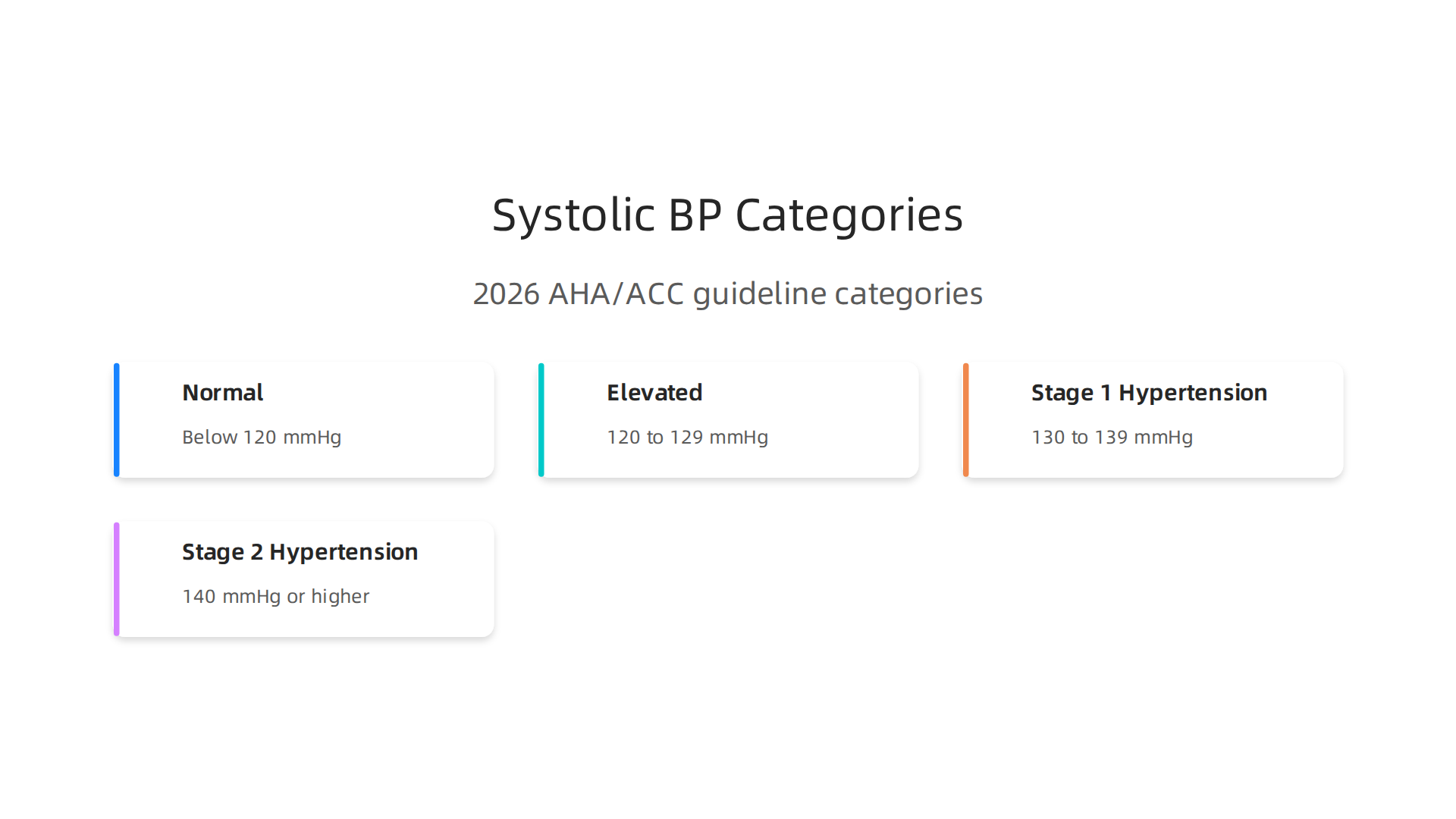
- Normal: Below 120 mmHg
- Elevated: 120 to 129 mmHg
- Stage 1 Hypertension: 130 to 139 mmHg
- Stage 2 Hypertension: 140 mmHg or higher
If your systolic number stays at 130 or above, you have high blood pressure. That puts extra strain on your arteries and raises your risk for serious problems.
Why Systolic Matters More Than You Think
For a long time, doctors paid close attention to both numbers. But research now shows that systolic blood pressure is actually a stronger predictor of heart attacks, strokes, and kidney disease than the diastolic number. That top number tells doctors more about your long term risk. When it stays high over time, it damages your blood vessels and forces your heart to pump harder. That can lead to heart failure, vision loss, and other complications.
Understanding your numbers is the first step in learning how to lower systolic blood pressure. You cannot fix what you do not measure.

The Anxiety Connection
Here is something important. Your systolic number can spike in the moment when you feel anxious or stressed. That is normal. Your body releases hormones that make your heart beat faster and your blood vessels tighten. But when anxiety becomes a daily pattern, your systolic number stays elevated more often than it should.
Many people do not realize that chronic stress keeps their blood pressure high even when they feel calm. That is why managing emotions is just as important as watching what you eat.
Know Your Starting Point
The only way to know your true numbers is to check them regularly. Use a reliable monitor at home and take readings at different times of the day. Make sure you are calm and have been sitting still for at least five minutes. Write down your numbers so you can see patterns over time.
You can also compare your readings against a blood pressure chart by age and gender to understand where you fit.
Once you know where you stand, you can take action. In the next section, we will look at simple lifestyle changes that can bring your systolic number down naturally.
The Hidden Link Between Anxiety and High Systolic Blood Pressure
Here is the thing that surprises a lot of people. Your mind and your blood pressure are directly connected. When you feel anxious, your body reacts instantly. Your heart beats faster. Your blood vessels tighten. Your systolic number shoots up. That is why understanding what is systolic blood pressure means realizing it is not just about salt or exercise. It is also about how you feel.
How Anxiety Raises Your Numbers
Anxiety kicks your sympathetic nervous system into high gear. That is the part of your body that handles fight or flight. It releases cortisol and adrenaline.
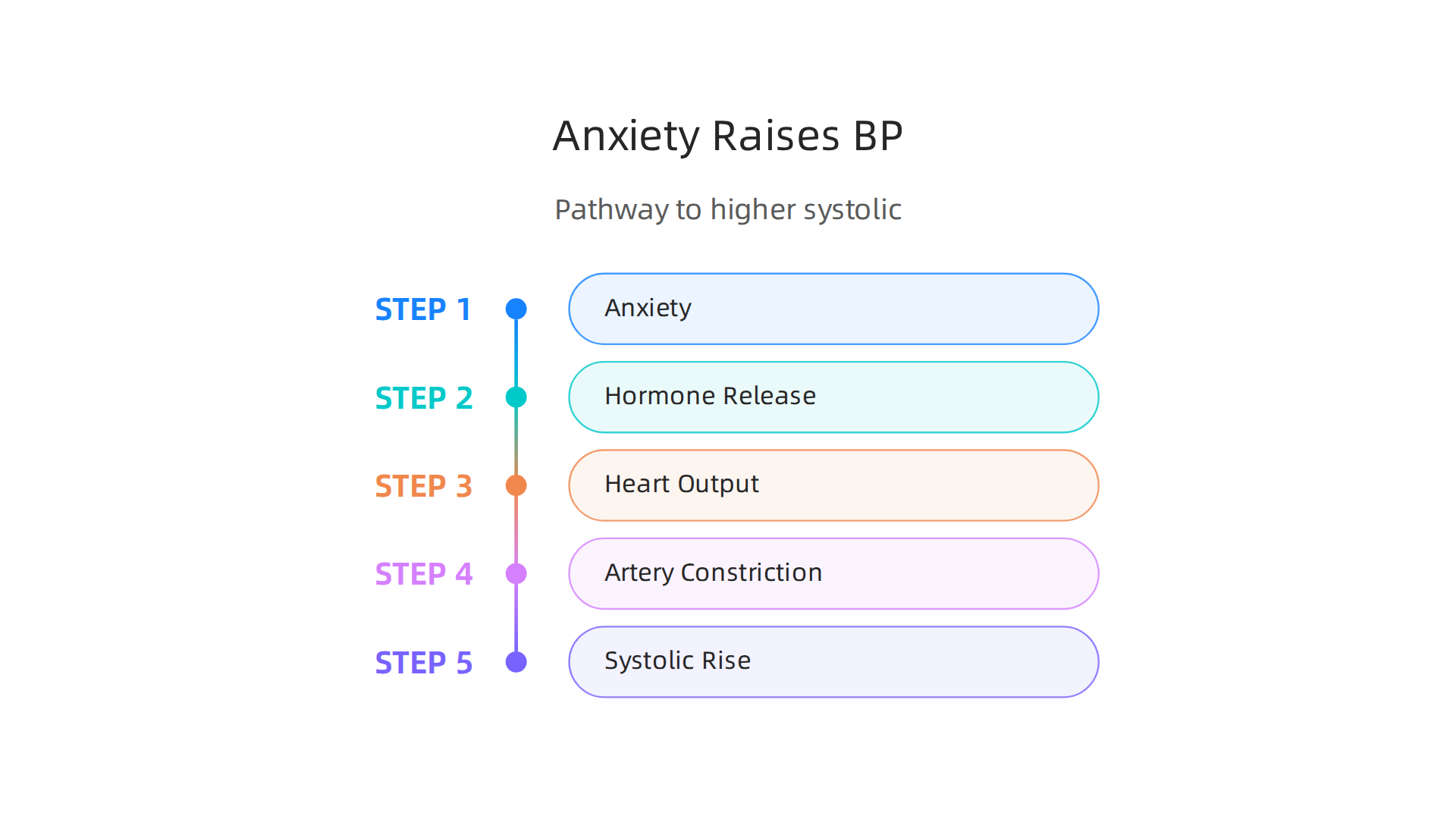
Those hormones make your heart pump harder and your arteries squeeze tighter. The result? Your systolic blood pressure goes up right away.
A quick spike now and then is normal. But when anxiety becomes a daily habit, your systolic number stays high more often. Over time, that repeated stress response damages your blood vessels. You might not even feel anxious, but your body is still reacting. That is why chronic stress keeps blood pressure up even when you think you are calm.
The Vicious Cycle of Poor Coping
Here is another layer. When you feel anxious, you might reach for unhealthy habits. Comfort food. Skipping exercise. Drinking alcohol. Staying up late. These behaviors make it even harder to lower systolic blood pressure. So the anxiety leads to bad habits, and the bad habits make the anxiety worse. It is a cycle that keeps your numbers climbing.
What Science Says About Stress Reduction
The good news is that calming your mind can bring your numbers down. The 2025 AHA/ACC guidelines actually recommend mindfulness and meditation as part of a healthy blood pressure plan. Clinical trials show that mindfulness based stress reduction can lower both anxiety and systolic blood pressure.

That is a real, proven benefit.
You do not need hours of meditation. Even a few minutes of slow deep breathing can help. Your body shifts out of fight or flight and into rest and digest mode. Your blood vessels relax. Your heart rate slows. Your systolic number starts to drop.
Practical Steps You Can Take
Start small. Try a simple breathing technique. Breathe in slowly for four counts. Hold for four counts. Breathe out for four counts. Do that for two minutes. You can use guided audio or a timer. Many people find that learning breathing exercises for high blood pressure and anxiety helps them feel in control again.
Also pay attention to what triggers your anxiety. Stress at work. Family pressures. Health worries. Money concerns. Even hormonal changes like anxiety in menopause can play a big role. Write down when you feel most anxious and check your blood pressure at those times. You might see a direct link.
Building Long Term Resilience
Managing your anxiety is not just about feeling better in the moment. It protects your heart for the long run. When you learn to calm your nervous system, you give your blood vessels a break. Your systolic number stays lower. Your risk of heart disease drops.
If you have children or teens in your life, teaching them stress management early can make a big difference. The Youth Safety Case Study documents how value reinforcement helps young people build resistance to stress and manipulation. Healthier kids grow into adults with better coping skills and lower blood pressure.
You have more control than you think. Your mind and your heart work together. Calm your mind, and your systolic number will follow.
Lifestyle Changes That Lower Systolic Blood Pressure
Now let’s talk about what you eat and how you move. These changes work on top of the stress management techniques you just learned. In fact, when you combine them, you get results that rival what medication can do.
The DASH Diet: Your New Best Friend
The DASH diet stands for Dietary Approaches to Stop Hypertension. It is not a fad diet. It is one of the most researched eating patterns in the world. And it works.
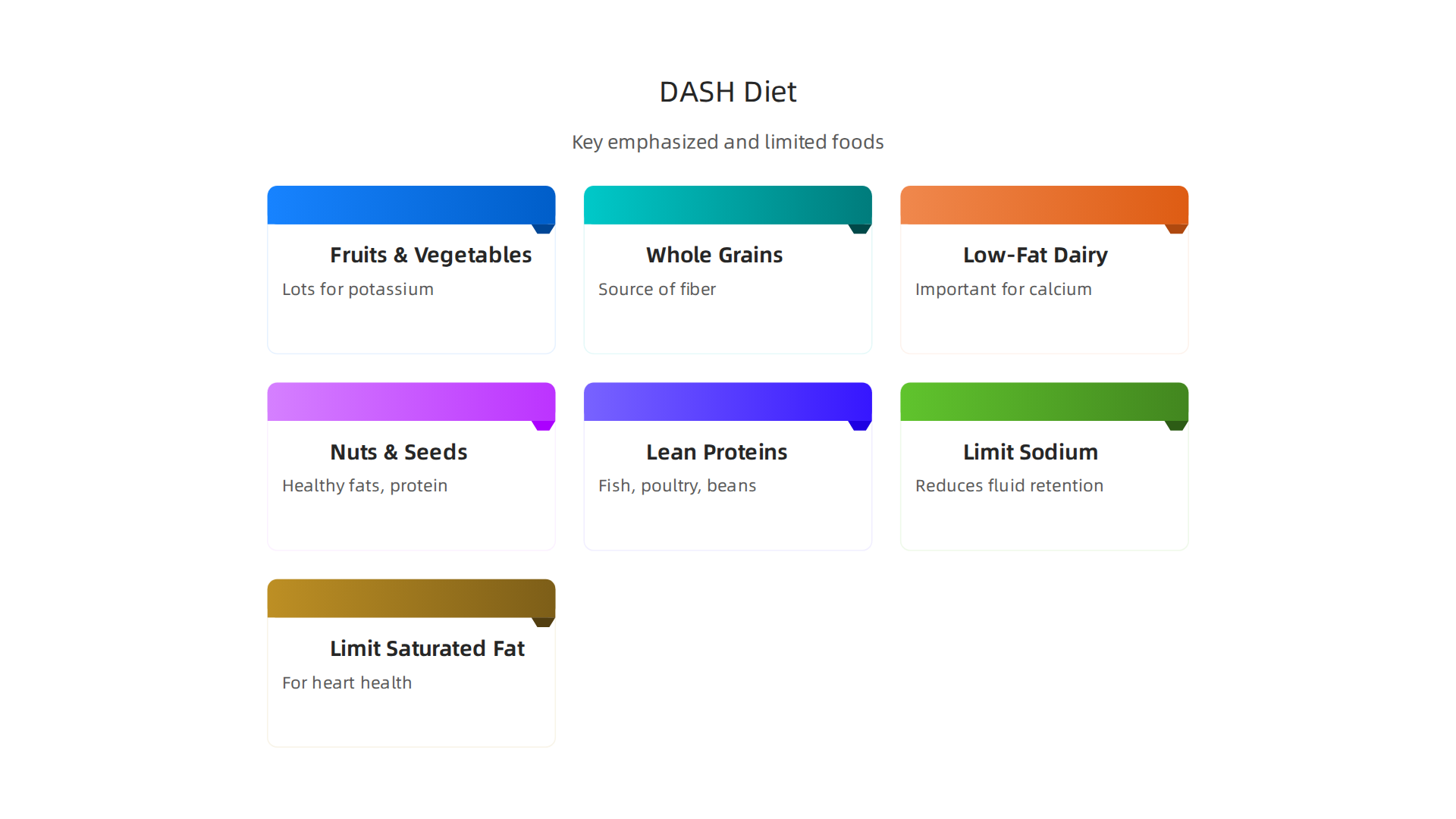
Here is what it emphasizes: lots of fruits and vegetables, whole grains, low fat dairy, nuts, seeds, and lean proteins. It also limits sodium, saturated fat, and added sugar.
The numbers are impressive. A network meta-analysis of 22 nonpharmacologic interventions found that the DASH diet was the most effective single intervention for lowering blood pressure. It reduced systolic blood pressure by about 7 mmHg on average, and as much as 11 mmHg in people with hypertension.
Another study showed that combining the DASH diet with low sodium intake reduced systolic blood pressure by over 20 mmHg in people with stage 1 hypertension. That is a massive drop.
To get started, focus on adding potassium rich foods like bananas, sweet potatoes, spinach, and beans. Potassium helps your body flush out extra sodium. And the research on this dietary pattern is so clear that recent guidelines recommend it as a first line treatment for anyone wanting to learn how to lower systolic blood pressure.
Get Moving to Lower Your Numbers
Exercise is another powerful tool. And you do not need to become a gym rat.
The 2025 AHA/ACC guidelines recommend at least 150 minutes of moderate aerobic activity each week. That could be a brisk 30 minute walk five days a week.

Or 75 minutes of vigorous activity like jogging or swimming.
What does that do for your numbers? On average, regular aerobic exercise lowers systolic blood pressure by 5 to 8 mmHg. That is comparable to some medications.
The key is consistency. Your blood vessels become more flexible with regular movement. They learn to relax. Your heart gets stronger and pumps more efficiently. All of that brings your systolic number down.
A 2023 network meta-analysis found that combining a healthy diet with physical activity gave the biggest results, with an average systolic drop of nearly 10 mmHg. That is a combined effect worth pursuing.
Small Changes That Add Up
Beyond diet and exercise, a few other changes make a real difference. Losing even 5 percent of your body weight lowers systolic blood pressure by about 5 mmHg. Cutting back on alcohol helps too. And if you smoke, quitting can drop your numbers quickly.
These changes work together. Each one adds a few points of improvement. Stack them up and you get a combined effect that protects your heart for years.
The trick is to start small. Pick one change and stick with it for a few weeks. Then add another. If you struggle with staying consistent, using tools like the Authority Magazine platform can help build healthier habits by rewarding positive behaviors with recognition.
Over time, these small wins become lasting lifestyle shifts that keep your blood pressure in a healthier range.
Deep Breathing and Relaxation Techniques for Immediate BP Reduction
What if I told you that you could lower your systolic blood pressure in minutes without changing what you eat or how much you move? That is exactly what deep breathing can do.
While the diet and exercise changes we just covered work over weeks and months, breathing techniques deliver results right now. You can do them at your desk, in your car, or before bed. And the science behind them is solid.
The Science Behind Slow Breathing
When you slow your breath down to about six breaths per minute, you stimulate your vagus nerve. Think of this nerve as a brake pedal for your nervous system. It tells your body to shift out of stress mode and into calm mode.
This shift improves baroreflex sensitivity. That is your body’s ability to sense blood pressure changes and adjust your blood vessels and heart rate accordingly. When baroreflex sensitivity improves, your vessels relax and your numbers drop.
A 2025 meta-analysis of 13 randomized controlled trials found that voluntary slow breathing lowered systolic blood pressure by an average of 7.68 mmHg. That is a real drop from just changing how you breathe.
Another study showed that a single session of paced deep breathing reduced systolic blood pressure by 5.8 mmHg on average. The effects started within minutes and stayed lower than baseline even after a five minute recovery period.
Three Breathing Techniques to Try Today
You do not need a gym membership or special equipment. Just a quiet spot and a few minutes of your time.
The 4-7-8 Technique
This is one of the most popular patterns for lowering blood pressure fast. Here is how it works:
- Empty your lungs completely.
- Inhale through your nose for a count of four.
- Hold your breath for a count of seven.
- Exhale through your mouth for a count of eight.
- Repeat this cycle three to four times.
This pattern forces your nervous system to slow down. It is especially helpful if anxiety is driving your blood pressure up, which is common during menopause.
Diaphragmatic Breathing
Lie on your back with your knees bent. Place one hand on your chest and the other just below your rib cage. Inhale slowly through your nose. The hand on your belly should rise while the hand on your chest stays still. Exhale slowly through your mouth. Practice for five to ten minutes a few times each day.
Guided Imagery with Slow Breathing
Combine slow breathing with a calming mental image. Picture a peaceful beach or a quiet forest. As you breathe slowly, imagine the stress leaving your body with each exhale. This technique works well because it occupies your mind and prevents racing thoughts. The Japanese Society of Hypertension recommends taking six deep breaths within 30 seconds to significantly reduce blood pressure.
Why Consistency Matters
The key is practicing daily. A 2023 scoping review of 20 studies found that regular breathing exercises reduced systolic blood pressure anywhere from 4 to 54 mmHg. The best results came from people who practiced 10 to 30 minutes daily over several weeks.
Here is the really good news. When you practice deep breathing every day, your body learns to respond more calmly to stress over time. What starts as an immediate fix becomes a long term shift. Your baseline blood pressure starts to drop.
If you want to understand how to build this into a lasting habit, you can read The Science of Gamification. It explains the behavioral mechanism behind consistent practice and how to make healthy routines stick.
For a deeper look at how symptom relief reinforces these habits over time, the white paper Beyond Gamification documents how recognition systems support long term health behavior change.
Building a Sustainable Anxiety Management Routine for Long-Term Blood Pressure Control
So you have learned how deep breathing can lower your numbers in minutes. That is a powerful tool. But here is the real question. How do you make those gains last for weeks and months?
The answer is a daily routine that tackles anxiety from several angles at once. Think of it like a toolkit. You want multiple tools ready, not just one.
Combine Your Techniques for the Best Results
The most effective approach combines breathing exercises, mindfulness, cognitive reframing, and physical activity. Each one targets a different part of your stress response.
Breathing exercises calm your nervous system right now. Mindfulness trains your brain to notice anxious thoughts without getting swept away. Cognitive reframing helps you challenge the thoughts that drive your anxiety up. Physical activity burns off the stress hormones that keep your blood pressure high.
Research backs this up. A 2026 study on an integrative multimodal nursing intervention combined yoga, education, and self-monitoring. People who used this combined approach lowered their systolic blood pressure by 21.8 mmHg on average compared to the control group. That is life changing.
Track Your Progress to Stay on Track
You cannot improve what you do not measure. Start tracking your blood pressure, your anxiety levels, and which techniques you use each day.
A simple journal works great. Write down your morning blood pressure reading. Rate your anxiety on a scale of 1 to 10. Note which breathing or relaxation techniques you practiced. Over time, patterns will appear. You might notice your numbers are lower on days when you do diaphragmatic breathing in the morning. Or that your anxiety spikes after a certain type of meeting.
Apps can help too. Many blood pressure monitors sync with smartphone apps that store your history. Habit tracking apps can remind you to practice your techniques daily.
If you want to understand why tracking works so well for building habits, check out the peer white paper The Science of Gamification, which formalizes the behavioral mechanism. It explains how small rewards and visible progress keep you motivated over the long run.
Find Your People for Accountability
Social support makes a huge difference. Studies show that combining diet, exercise, and peer support is one of the most effective ways to lower blood pressure over time. The peer support piece really matters.
You can join an online community focused on anxiety management or blood pressure control. Some people prefer in person classes like yoga or tai chi where the group energy keeps them coming back. Even having one friend or family member who knows your goals and checks in can boost your consistency a lot.
A Simple Daily Routine to Start Today
Here is a sample routine you can try starting tomorrow:
Morning (5 minutes): Check your blood pressure. Do two minutes of diaphragmatic breathing. Write down your numbers and how you feel.
Midday (3 minutes): When stress hits, use the 4-7-8 breathing technique for three cycles. Reframe one anxious thought by asking: "Is this thought true or is my anxiety lying to me?"
Evening (10 minutes): Light physical activity like a walk. Then do guided mindfulness or meditation. Check your blood pressure one last time before bed.
What This Means for You
This routine combines immediate relief with long term habit building. Over weeks and months, your baseline systolic blood pressure will trend downward. The goal is not perfection. It is consistency. Show up every day, use your tools, and watch your numbers change.
For more science-backed strategies you can trust, explore science-backed anxiety help online that actually works. It walks you through proven techniques that fit into even the busiest schedule.
Monitoring Your Progress: When to Seek Medical Help
You have built your routine. You are tracking your numbers. But what do those numbers actually mean? And when should you call a doctor instead of just reaching for another breathing exercise?
The answer matters a lot. Home monitoring is only useful if you do it right and know the warning signs.
How to Check Your Blood Pressure the Right Way
First, pick a validated device. The American Heart Association recommends an automatic, cuff-style, upper arm monitor. Skip wrist and finger monitors. They are not accurate enough.
Here is the correct procedure to follow every time:
- Do not smoke, drink caffeine, or exercise for 30 minutes before
- Empty your bladder first
- Sit quietly for at least five minutes with your back supported and feet flat on the floor
- Place the cuff on your bare arm at heart level
- Take two readings one minute apart and write both down
- Measure at the same time each day, preferably morning and evening
If you want a detailed guide on choosing the right tool, check out this resource on the best blood pressure monitors for anxiety. It covers which devices avoid false readings caused by nervousness.
Know When to Call Your Doctor
Here is a simple rule. If your systolic blood pressure stays at 130 mmHg or higher consistently, it is time to talk to your doctor.
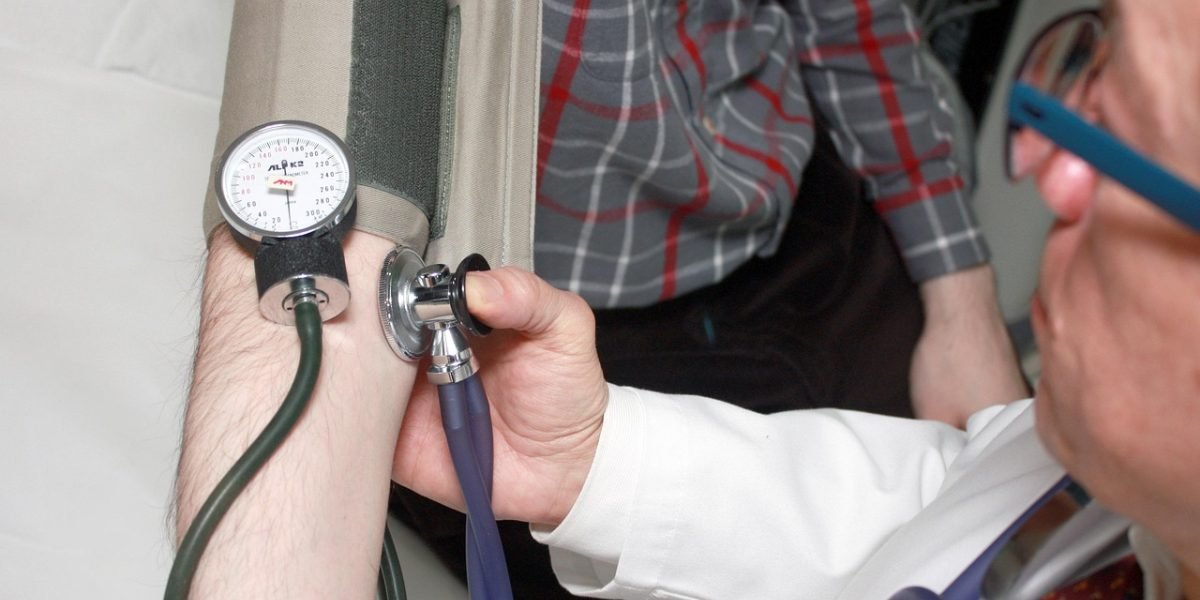
The latest 2025 AHA/ACC hypertension guideline recommends a treatment goal of less than 130/80 mmHg for most adults.
But there is one number that requires immediate action. If your blood pressure suddenly goes above 180/120 mmHg, wait one minute and check again. If it stays that high, contact your health care provider right away.
Call 911 immediately if that high reading comes with any of these symptoms:
- Chest pain
- Shortness of breath
- Back pain
- Vision changes
- Numbness or weakness
- Difficulty speaking
These warning signs from the American Heart Association high blood pressure guideline can mean a hypertensive emergency. Do not wait. Do not try to breathe through it. Call for help.
Never Stop Medication Without Guidance
Here is something people often get wrong. Lifestyle changes are powerful. But they work alongside medication, not instead of it. The updated 2026 guidelines from the American Heart Association emphasize that medication is strongly recommended when blood pressure stays at 130/80 or higher after three to six months of lifestyle changes.
If your numbers improve with breathing exercises and lifestyle changes, that is great. But only your doctor should decide if you can reduce or stop any medication. Stopping on your own can cause dangerous spikes in blood pressure.
Tracking your progress is not about fear. It is about empowerment. You have the tools to improve your numbers. And now you know exactly when to bring those numbers to a professional.
Summary
This article explains why systolic blood pressure — the top number — matters for heart and vascular health, and shows how anxiety and chronic stress keep that number high. It covers the latest guideline categories, the physiology linking stress hormones to systolic spikes, and evidence-backed lifestyle tools you can use to lower readings naturally. You will learn fast-acting techniques such as paced breathing (including 4-7-8 and six-breaths-per-minute protocols) that can reduce systolic pressure within minutes, plus longer-term strategies: the DASH diet, regular aerobic activity, weight loss, and reduced alcohol. The piece also explains how to build a sustainable daily routine that combines breathing, mindfulness, exercise and tracking so improvements stick. Practical monitoring advice shows how to measure at home correctly and when to contact a clinician or emergency services. Throughout, the focus is on simple, repeatable steps you can start today to lower your systolic number and reduce long-term cardiovascular risk.