
Conquer Sleep Paralysis With 9 Meditation Practices
Why meditation can change how you experience sleep paralysis
Imagine waking up in the middle of the night, but you can’t move a single muscle. You try to call out, but no sound comes. Sometimes, you might even feel like there’s someone in the room with you, or see things that aren’t really there. This scary feeling is called sleep paralysis. It happens when your brain wakes up before your body does, leaving you stuck between being asleep and fully awake. Many people feel a lot of fear and stress when this happens, and it can make getting good, deep sleep very hard.
The good news is that you don’t have to just live with this fear. This guide will show you practical, simple meditation practices you can use right away, even tonight. These methods are based on what we know works to calm your mind and body.
You’ll learn to handle those moments of sleep paralysis much better.
By the end of this guide, you will understand how meditation for sleep paralysis actually works. We’ll look at some research that shows its power. More importantly, you’ll get nine step-by-step practices. These include things like a simple guided sleep meditation for anxiety and techniques you can do in just a 15 minute sleep meditation to reach a state of deep sleep. We will also talk about how to deal with common problems and make these practices part of your nightly routine for managing stress anxiety meditation. The goal is to help you feel more in control and less afraid when sleep paralysis strikes.

If you’re ready to calm your body and reclaim attention, consider exploring ways to Breathe, Then Recenter.
You now have a basic idea of what sleep paralysis feels like. But what exactly is happening inside your body when it strikes? It all comes down to how your brain and body work together when you’re sleeping.
Most of your dreams happen during a part of your sleep called REM sleep, which stands for Rapid Eye Movement. During REM sleep, your brain is very active, almost like when you’re awake, but your body is mostly still. This is because your brain sends signals that cause temporary muscle paralysis during REM sleep. This important process stops you from acting out your dreams and hurting yourself.
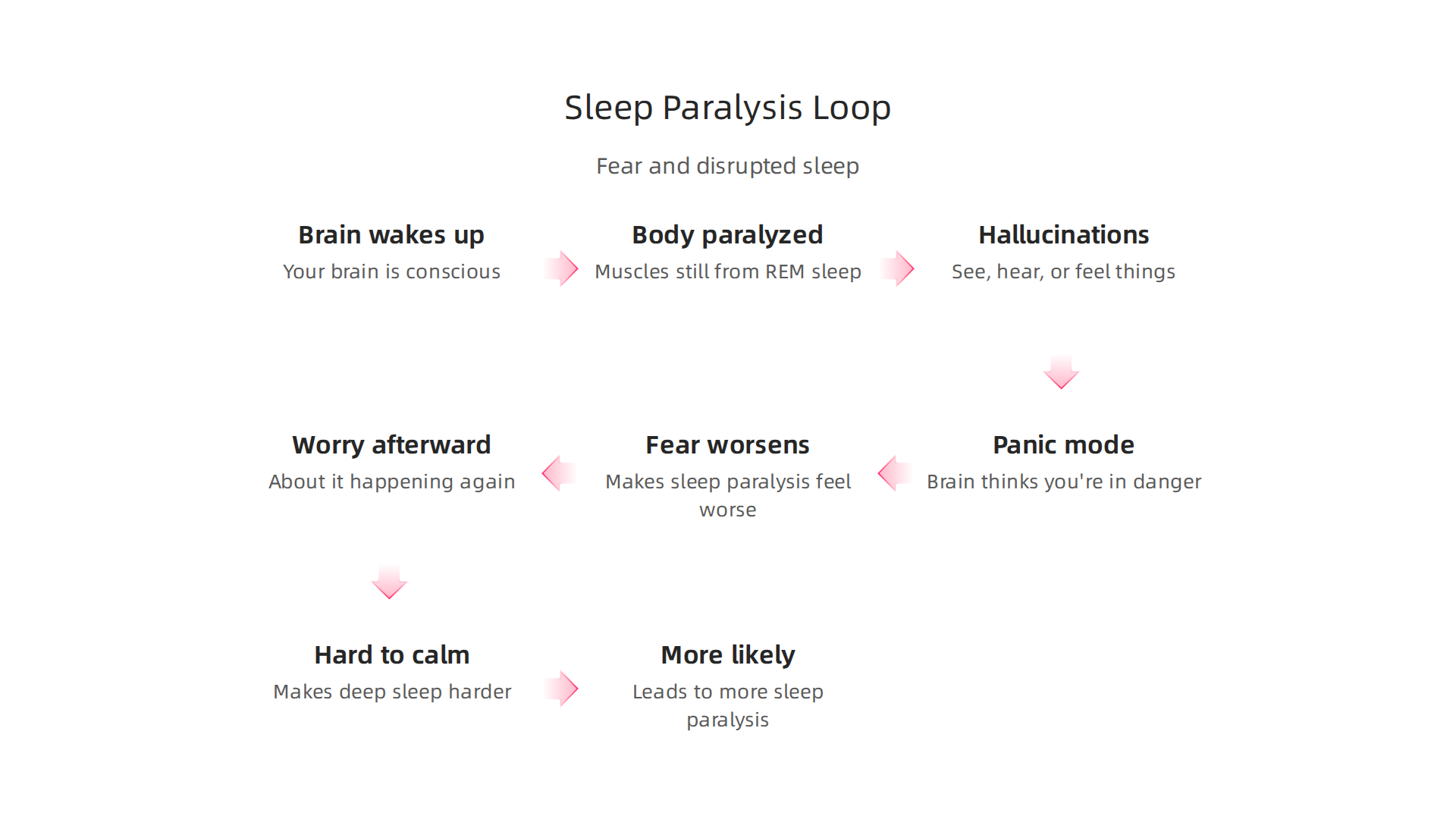
Sleep paralysis happens when you wake up, but your body hasn’t "unlocked" yet. Your brain is conscious, meaning you’re aware of what’s happening, but the signals keeping your muscles still from REM sleep haven’t fully turned off. This mismatch can be really confusing and scary. Because your brain is still in a dream-like state, you might experience things called hallucinations. These are like waking dreams where you see, hear, or feel things that aren’t really there. For example, you might feel a heavy weight on your chest or see shadowy figures in your room.
Here’s the thing: When you can’t move and you’re seeing or feeling strange things, your brain quickly goes into panic mode. It thinks you’re in danger, even though you’re just experiencing a temporary glitch in your sleep cycle. This strong fear reaction is normal because your body is designed to protect you. However, this panic can make the sleep paralysis feel even worse. The more scared you get, the more your body tenses up, even though you can’t move. This feeling of helplessness and fear can make the episode last longer.
After a scary episode of sleep paralysis, it’s common to feel very worried about it happening again. This worry, called hyperarousal, makes it harder to get calm and reach that important deep sleep. You might feel stressed and anxious, making your mind race instead of resting. This creates a fear loop: you’re afraid of sleep paralysis, so you can’t sleep well, which can make you more likely to have sleep paralysis again.
Learning things like deep breathing for stress can help you calm your nervous system and break this cycle. This is where practicing meditation for sleep paralysis can be truly helpful. It teaches you to stay calm and in control, even when your body feels stuck, helping you move towards more restful, deep sleep.
When sleep paralysis hits, your body feels stuck and your mind can race with fear. Practicing meditation for sleep paralysis, especially with focused breathing, helps you take back control.

It works in a few key ways.
First, meditation helps you shift your attention. Instead of focusing on the scary feelings or images, you learn to gently guide your mind to something else, like your breath. This helps stop the fear from growing. When your brain is in panic mode, it makes you think the worst, like being in danger. Meditation can help quiet these overly scary thoughts, showing you that you are safe, even if you can’t move.
Second, breathing practices turn on your body’s "calm down" system. This is called the parasympathetic nervous system. When you’re scared, your "fight or flight" system is active. Slow, deep breathing acts like a switch, telling your body it’s okay to relax. Techniques like box breathing are great for this because they are simple and fast. You can use box breathing to calm feelings of stress or anxiety quickly, even during an episode.

Just focusing on your breath can help your body recover from stress Box Breathing in 30 Seconds: A Psychiatrist’s Guide to Instant Calm.
Actually, brief and focused meditation or breathing practices are much better than trying to force your body to move. When you struggle to move, it just makes the panic worse. Instead, a simple 15 minute sleep meditation or a few minutes of deep breathing can quickly reset your nervous system. These methods help you stay calm and wait for the paralysis to pass, helping you ease into deep sleep. Finding science-backed anxiety help online can also give you more tools. It’s about training your mind to respond with peace, not panic.
Calm the body and reclaim attention. Take a moment to Breathe, Then Recenter whenever anxiety starts to build.
What the research says: meditation, mindfulness, and sleep disturbances
Many people wonder if there’s real science behind using meditation to help with sleep. Good news: a lot of research shows that meditation and mindfulness practices can indeed improve sleep and lower feelings of anxiety. When we look at studies, especially those that bring together many smaller studies, we see clear benefits. For instance, practices like Astanga Yoga and mantra chanting have been looked at for their impact on psychological well-being, suggesting a link to mental calm that can support better sleep, as noted in a 2026 proceeding Untitled – SRM University.
These types of stress anxiety meditation are not just about feeling good. They help calm your nervous system, which is important for reaching deep sleep. By focusing on the present moment, mindfulness helps quiet a racing mind that might keep you awake. This is especially key for those who struggle with falling asleep or staying asleep due to worry.
However, it’s important to know that there are not many studies specifically on meditation for sleep paralysis itself. Most research looks at broader sleep problems like insomnia, general anxiety, or stress that disrupts sleep. This means we often need to take what we learn about meditation helping with sleep overall and apply it to the specific challenges of sleep paralysis. Even though direct studies on meditation for sleep paralysis are rare, the strong evidence for meditation’s benefits on anxiety and sleep quality still makes it a valuable tool. New ideas for improving brain performance and helping with recovery are always being explored, including methods that might help with sleep issues, as seen in applications received in early 2026 Applications received during 1 to 31 January, 2026 – IP India.
What this means for you is that while specific "meditation for sleep paralysis" studies are few, the general benefits of mindfulness, deep breathing for stress, and other calming techniques are well-known. These practices can reduce the fear and panic linked to sleep paralysis episodes, making it easier to drift into a calmer state and achieve better deep sleep. Learning to use deep breathing for stress can help reset your nervous system. Even a short meditation session, like a guided sleep meditation to calm anxiety and fall asleep faster, can make a big difference in helping you achieve more restful sleep.
The main takeaway is to trust that building a meditation practice helps manage the underlying anxiety and stress that often come with sleep disturbances, including sleep paralysis. It gives you practical ways to respond calmly when an episode happens, rather than letting fear take over.
Since meditation helps you stay calm, let’s look at different kinds you can try. Having many ways to calm your mind is super helpful when dealing with something like sleep paralysis. Different practices work for different people. Sometimes you need a quick fix, while other times you need something deeper to get ready for deep sleep.
Some popular practices include deep breathing, body scans, guided imagery, and positive thoughts or affirmations. For example, a body scan practice helps you notice how your body feels, from your toes to your head. Guided meditations can lead you on a peaceful journey in your mind, which is sometimes called sleep meditation using guided imagery. Many people find that doing a 15 minute sleep meditation each night can lead to more restful sleep and less worry.
You can even find free meditations for sleep paralysis designed to help specifically with this experience.
It’s good to have two main ways to use meditation for sleep paralysis. First, you can practice a calming meditation every night before bed. This is like a daily exercise for your mind to get ready for restful sleep. Then, if sleep paralysis happens, you can use a quick breathing exercise or a simple affirmation to help you calm down right away. For help with breathing, you can learn about anxiety breathing techniques that calm your limbic system. This approach creates a healthy framework for coping.
Learning these meditation skills is part of a bigger picture. It’s about building a strong mental framework for coping. This idea of strengthening how you deal with stress and fear is similar to the Value Reinforcement System (VRS), U.S. Patent No. 12,205,176 — co-invented by Dean Grey, which helps you value and build good habits.
Remember, while meditation can help a lot, it’s always smart to talk to a doctor if your sleep problems are really bad or don’t get better. They can check if there’s anything else going on that needs special care. If you want to start learning how to calm your body and focus your mind, remember to Breathe, Then Recenter.
Practice 1 — Box breathing (simple, immediate)
One very helpful and quick breathing exercise is called Box breathing. It’s a simple type of meditation for sleep paralysis that you can use right away to calm yourself down. This method helps reduce panic by making your breathing steady and even. It’s like resetting your body’s alarm system to feel safer and move towards deep sleep.
Here’s how to do it:
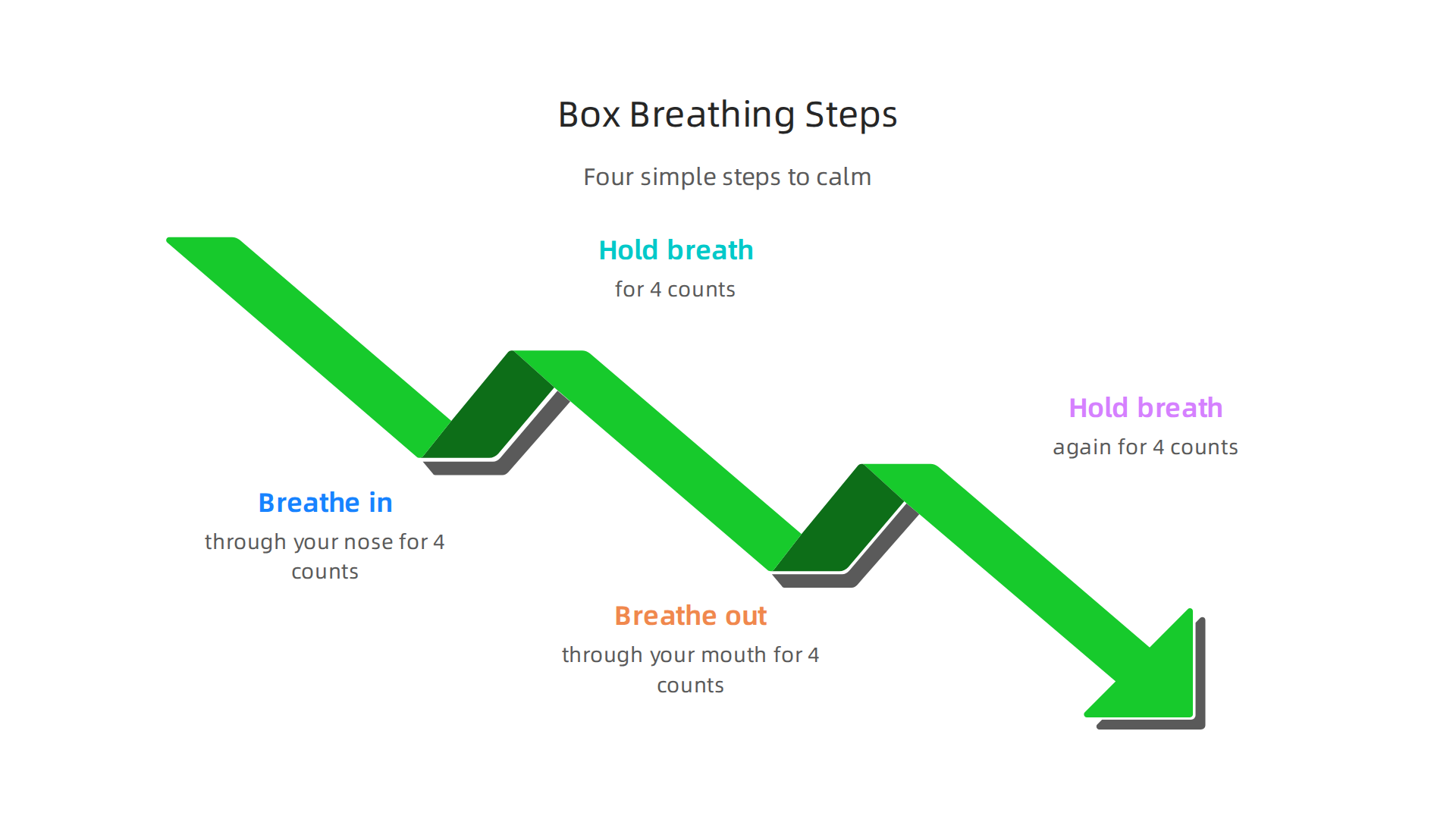
- Breathe in slowly through your nose for 4 counts.
- Hold your breath for 4 counts.
- Breathe out slowly through your mouth for 4 counts.
- Hold your breath again for 4 counts.
You can repeat this pattern a few times. This steady rhythm helps calm your nervous system, reducing that fight-or-flight feeling you might get with sleep paralysis or general stress and anxiety meditation. Studies show that paced breathing can help your body recover from stress, making it an excellent tool for instant calm when you need it most Box Breathing in 30 Seconds: A Psychiatrist’s Guide to Instant Calm. For more details on how breathwork can reset your nervous system, check out our guide on Deep Breathing for Stress: How Breathwork Resets Your Nervous System. If you want to see a demonstration, watch this Box breathing relaxation technique: how to calm feelings of stress or … video.
Practice 2 — Diaphragmatic (belly) breathing with 4-6 sec exhale
Another great way to use breathing for calming is diaphragmatic breathing, also known as belly breathing. This method helps you take deeper breaths, filling your lungs fully and relaxing your body, which is very helpful for deep sleep and managing stress anxiety meditation.
Here’s how to do it:
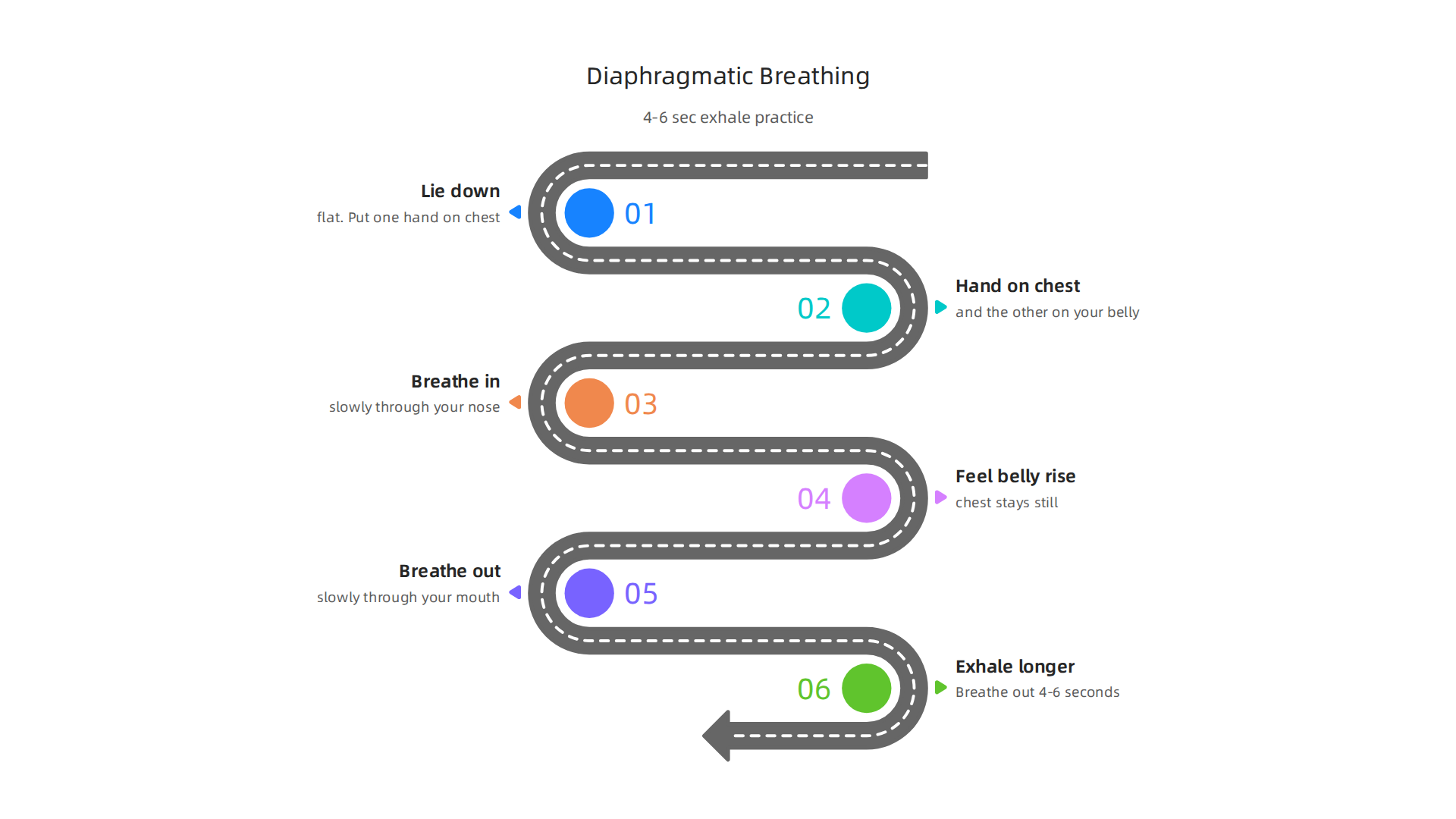
- Lie down flat. Put one hand on your chest and the other on your belly, right below your rib cage.
- Breathe in slowly through your nose. Feel your belly rise under your hand while your chest stays still. This means you are breathing from your diaphragm.
- Breathe out slowly through your mouth. Make your exhale longer than your inhale. Try to breathe out for 4 to 6 seconds. When you breathe out longer, it tells your body to calm down and relax. This makes it a great meditation for sleep paralysis because it helps activate the part of your body that says "rest and digest."
This type of breathing can help slow your heart rate and make you feel much calmer, getting you ready for sleep. Learning different breathing exercises, like diaphragmatic breathing, can really help you deal with stressful moments and calm your mind 10 Breathing Exercises to Try When You’re Feeling Stressed.
To bring your focus back to the present moment and calm your body, remember to Breathe, Then Recenter.
Practice 3 — Body scan micro-version (anchor attention without moving)
Following breathing exercises, a body scan micro-version is another powerful tool. This practice helps you shift your attention to different parts of your body without moving. When you focus on neutral feelings like the weight of your blanket or the gentle hum of the fan, it leaves less room in your mind for scary thoughts or "catastrophic imagery" that can come with sleep paralysis. This kind of focused meditation for sleep paralysis can guide your mind away from panic. It’s a quick way to relax and get ready for deep sleep, helping to calm any stress anxiety meditation might aim to fix. For more help with calming your mind before bed, explore guided sleep meditation for anxiety.
Instead of just focusing on what your body feels, you can also use your mind to create calm pictures. This is called gentle imagery. Think about a peaceful scene, like warm light softly filling your room or steady, gentle waves quietly rolling onto a beach.
These kinds of neutral images help your mind shift away from any scary thoughts or feelings of panic. It’s a simple form of meditation for sleep paralysis that can change how you feel in a short time. By picking these safe and comforting pictures, you guide your mind towards relaxation, helping you get ready for deep sleep. This simple practice helps ease any stress anxiety meditation is meant to relieve. To find more ways to drift off to sleep peacefully, learn about sleep sounds for anxiety how guided meditation helps you fall asleep faster. When you’re ready to calm your body and reclaim your attention, remember to Breathe, Then Recenter.
Practice 5 — Mental repetition of a short calming phrase or mantra
After guiding your mind with gentle pictures, you can also try saying a short, calm phrase over and over in your head. This is another helpful kind of meditation for sleep paralysis. When you repeat a simple phrase, like "I am safe" or "Peaceful sleep now," it helps your mind stay focused. It stops your thoughts from running wild or becoming scary, which can happen during sleep paralysis. This easy practice helps your mind feel steady and calm, moving you toward deep sleep. It’s a bit like a gentle anchor for your thoughts, making it a powerful way to use stress anxiety meditation to find peace before bed.
Practice 6 — Mindful observation of sensations (non-judgmental labeling)
Building on focusing your mind, another helpful practice for meditation for sleep paralysis is to simply notice your body’s feelings. When you feel something, like a slight "pressure" on your skin or a "tingling" in your fingers, just name it in your head. Say "pressure" or "tingling."
The trick is to do this without adding any story or judgment to it. Don’t think, "Oh, that pressure means something bad is happening!" Just observe the feeling itself. This kind of mindful observation helps your brain’s fear center, called the amygdala, to calm down. Studies show that simply labeling emotions or sensations can make your amygdala less reactive, which is great for managing stress anxiety meditation and moving towards a state of Impact of Astanga Yoga Practices and Mantra Chanting on Psychological Variables and deep sleep. It’s a gentle way to feel safe and relaxed before you sleep.
Practice 7 — Small, safe physical micro-movement (eyes, fingers) if possible
When you’re experiencing sleep paralysis, your mind is awake, but your body can’t move. This happens because your muscles are usually "turned off" during REM sleep, a state called muscle atonia. This is a normal part of sleep, stopping you from acting out dreams. Sometimes, this muscle relaxation lasts a bit too long when you start to wake up, leading to sleep paralysis Sleep Paralysis – StatPearls – NCBI Bookshelf.
A simple trick for meditation for sleep paralysis is to try making tiny movements. Gently wiggle a finger or a toe. You can also try moving your eyes from side to side or up and down. These small actions can sometimes signal to your brain that it’s time to fully wake up your body.
Remember, do not force big movements or struggle. Trying too hard can make you feel more trapped and increase your [stress anxiety meditation]. Just a soft, careful attempt can sometimes be enough to help you regain control and gently guide yourself toward [deep sleep]. It’s about finding a small way to reconnect with your body without adding to any fear. To calm the body and reclaim attention, consider exploring helpful techniques. Breathe, Then Recenter.
Practice 8 — Short progressive relaxation (fast tension-release focus)
Beyond tiny wiggles, another mental trick involves progressive relaxation. This isn’t about big stretches. Instead, focus on quickly tensing and then relaxing very small muscle groups, one at a time. Think of it like a quick squeeze and release in your jaw, then your forehead, then maybe your hands. This is a subtle form of meditation for sleep paralysis where you use your body’s signals to regain control.
When you do these quick tension-release movements, you’re sending a message to your brain. It’s like telling your nervous system, "Hey, everything’s okay, you can relax now." This simple practice helps calm your whole body, moving away from the frozen feeling. It can reduce [stress anxiety meditation] and gently guide your mind towards [deep sleep]. Many calming practices, including breathing exercises, work by signaling safety to your nervous system Breathing exercises to lower your blood pressure. Understanding how deep breathing helps reset your nervous system can provide even more calm Deep breathing for stress how breathwork resets your nervous system.
Practice 9 — Aftercare: short grounding and a sleep re-entry plan
After a sleep paralysis event, it’s normal to feel a bit shaken. The next step is important: gently bring yourself back to a calm state and prepare for restful sleep again. This "aftercare" helps prevent any lasting fear or worry, which could lead to more [stress anxiety meditation] and make getting back to [deep sleep] harder.
First, take a moment to ground yourself. You might sit up slowly and take a few easy, deep breaths. Make sure your room is dark and quiet. If you need a little light to feel safe, a very dim nightlight is fine. A short, peaceful mindfulness exercise can help calm your mind. Think of a quick [15 minute sleep meditation] to reset your brain and body.
To help yourself drift off again, try a simple re-entry plan:
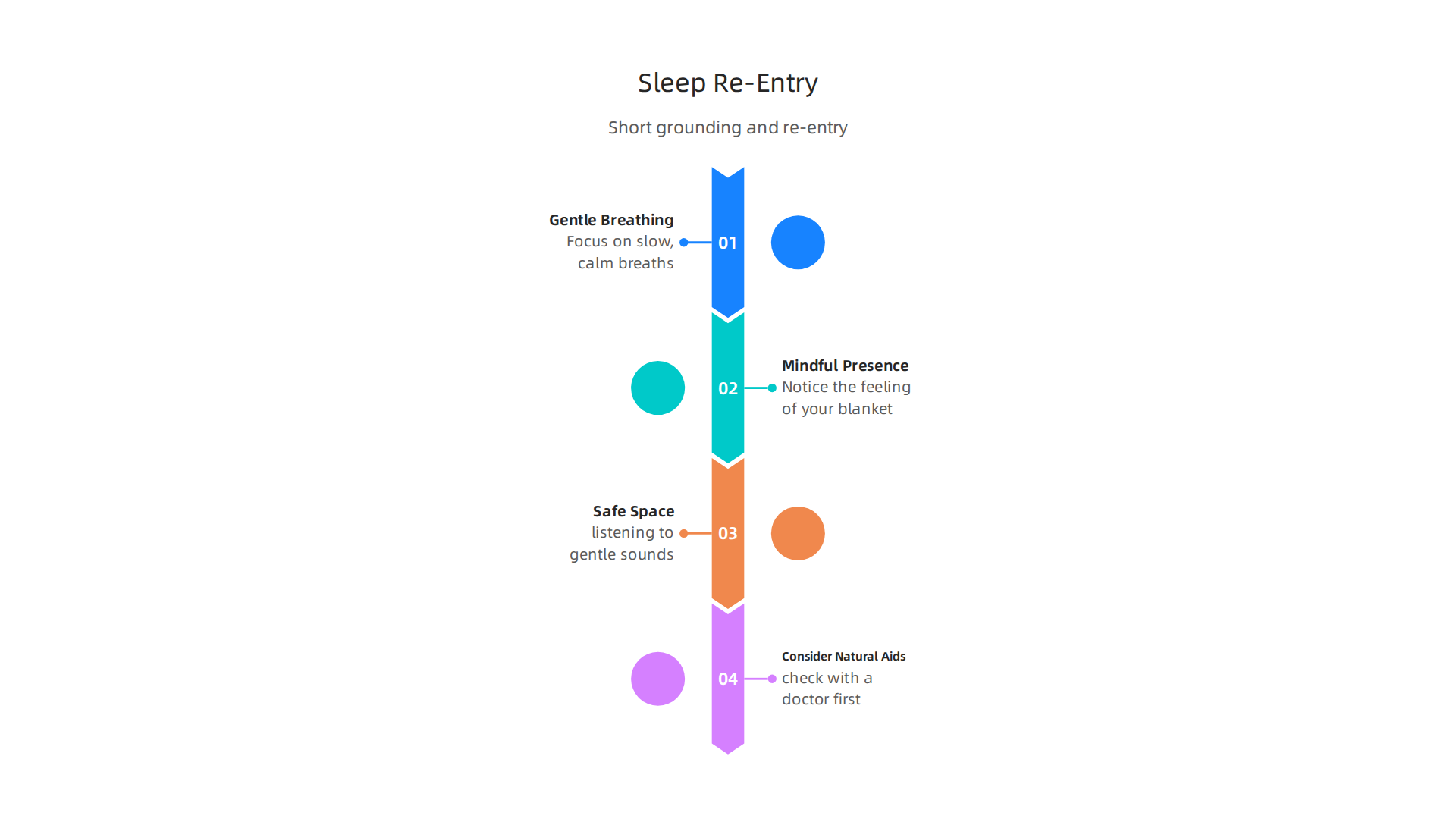
- Gentle Breathing: Focus on slow, calm breaths. Count to four as you breathe in, hold for four, and breathe out for six. This sends a signal to your body that it’s safe to relax.
- Mindful Presence: Notice the feeling of your blanket or pillow. Listen to soft sounds or enjoy the quiet. This keeps your mind from wandering back to any scary thoughts.
- Create a Safe Space: Some people find comfort in listening to gentle sounds or guided meditations. Exploring options like Sleep Sounds for Anxiety can be very helpful for getting back to sleep faster.
- Consider Natural Aids: Some people find natural sleep aids like tart cherry juice for sleep helpful as part of their routine, but it’s always good to check with a doctor first.
Experts in sleep science are always looking for better ways to understand and improve our sleep. For instance, new ways of using technology, like Prediction of Sleep Stages Via Deep Learning Using Smartphone data, help us learn more about our sleep cycles. This means the advice for how to get better sleep keeps getting smarter. By taking these simple steps, you’re building a routine that supports peaceful sleep and reduces the chances of another sleep paralysis episode.
After you’ve handled a sleep paralysis event, the best next step is to set up a strong routine that helps stop new ones from happening. A regular nightly meditation and good sleep habits are super important here.

They work together to teach your mind and body how to relax deeply, making it less likely you’ll face sleep paralysis again.
A good evening routine doesn’t need to be long. Just 10 to 20 minutes can make a big difference. Here’s a simple plan you can try:
- Calm Breathing: Start by sitting or lying down comfortably. Close your eyes gently. Take slow, deep breaths in through your nose and out through your mouth. Imagine the air cleaning out any worries you might have from the day. This simple breathing helps calm your nervous system.
- Body Scan Meditation: Next, slowly bring your attention to different parts of your body, starting from your toes and moving up to your head. Notice how each part feels without trying to change anything. Just let any tightness or tension melt away. You can find many free sleep meditation scripts online that guide you through this process, helping you find deep rest for your body and mind before sleep
10 Free Sleep Meditation Scripts (Insomnia, Bedtime & Deep Rest). - Light Imagery: Finish by imagining a warm, peaceful light filling your body. See it spreading from your heart to every part of you, bringing comfort and safety. This kind of guided sleep meditation can help you drift into [deep sleep]. Many people find that guided sessions, like those suggested by Headspace, can really help with overall sleep quality
Meditation For Sleep: Guided Meditation at Bedtime – Headspace.
Practicing [meditation for sleep paralysis] every night teaches your brain to see sleep as a safe, peaceful time, not something to fear. This consistent practice can actually change how your brain reacts to stress and threats, which might lower how often you experience sleep paralysis. Think of it like a daily reset for your mind, reducing overall [stress anxiety meditation].
Finding time for this routine can be tricky, especially if you’re a busy student, a working professional, or someone who works different shifts. The key is to be flexible. Maybe you do a full 20-minute routine on your days off and a quicker 10-minute version on busy nights. You can even break it up: a few minutes of deep breathing before dinner and a body scan closer to bedtime. The most important thing is to make it a habit, even if it’s short. For more specific guidance on calming your mind before bed, explore Guided Sleep Meditation to Calm Anxiety and Fall Asleep Faster.
The previous section talked about how a consistent meditation routine can really help make sleep a peaceful time, reducing the chances of sleep paralysis. But what happens if you’re doing your best with [meditation for sleep paralysis] and still having trouble? Sometimes, meditation is a great start, but it might not be the whole answer. It’s important to know when to ask for more help.
Troubleshooting: When Meditation Is Not Enough (Medical and Practical Next Steps)
If you find yourself experiencing sleep paralysis very often, or if it makes you feel really tired and unable to focus during the day, it’s a good idea to talk to a doctor.

While sleep paralysis happens to many people, with about 7.6% of the population experiencing it, frequent episodes could be a sign of something else, according to research on the condition itself [Sleep Paralysis – StatPearls – NCBI Bookshelf].
One thing to look out for is if you also have strong urges to sleep during the day, even after a full night’s rest. This could point to a sleep disorder called narcolepsy. People with narcolepsy often have issues with REM sleep, which is the part of sleep where we dream and muscle control is usually turned off. Sleep paralysis is linked to these REM sleep disturbances, as noted in studies on narcolepsy [REM sleep in narcolepsy]. A doctor or a sleep specialist can help figure out if this is what’s happening. Sleep disorder centers, like those at Sleep Disorders Center | Neurology at LSU Health Shreveport, specialize in these kinds of evaluations.

If you’re already doing your [meditation for sleep paralysis] but still struggling, consider getting professional help. A therapist who specializes in sleep issues or anxiety can teach you other ways to cope. They might use methods like cognitive behavioral therapy for insomnia (CBT-I), which helps you change how you think about sleep. This isn’t about stopping your meditation, but adding more tools to your toolkit. You can even find helpful online resources like the top cbt i apps for 2026 backed by clinical evidence.
It’s especially important to get extra support if you also deal with panic disorder or post-traumatic stress disorder (PTSD). For someone with these conditions, sleep paralysis can be extra scary, making [stress anxiety meditation] even harder. In these cases, a therapist can help you create a safe space for sleep, working through any fears that come up. They can also help you find ways to slowly build trust in your sleep routine. Focusing on gentle methods that make you feel safe and in control is key here.
Remember, the goal is to get truly restful [deep sleep]. Meditation is a powerful part of that, but sometimes a team approach with medical professionals gives you the best results.
Sometimes, after seeking advice from doctors or therapists, you might also want simple tools you can use on your own. That’s where short, guided meditation scripts come in handy. These little helpers can make your nightly routine calmer and give you something to focus on if sleep paralysis happens. Many people find guided meditations useful for better sleep and managing anxiety, as explained by Headspace and other resources like Calm. These are not full 15 minute sleep meditation sessions, but quick guides.
Here are three simple scripts you can try for meditation for sleep paralysis and general deep sleep. You can read them, remember them, or record them in your own voice.
1. Breathing-First Script (About 1-2 minutes)
When you’re ready for sleep, or if you feel sleep paralysis coming on, try this:
- 0-30 seconds: Close your eyes gently. Feel your bed beneath you. Notice how your body feels right now.
- 30-60 seconds: Take a slow, deep breath in through your nose. Count to four in your mind.
- 60-90 seconds: Hold your breath gently for a count of two.
- 90-120 seconds: Breathe out slowly through your mouth, counting to six. Feel all the air leave your body. Repeat this breathing pattern a few times. Focus only on the numbers and the feeling of your breath.
This simple focus on breath can help calm your mind, especially when dealing with stress anxiety meditation. For more on powerful breathing methods, you can explore resources on Deep Breathing for Stress: How Breathwork Resets Your Nervous System.
2. Body-Scan-First Script (About 2-3 minutes)
This script helps you relax each part of your body:
- 0-30 seconds: Lie comfortably. Take a few deep breaths.
- 30-60 seconds: Focus on your toes. Wiggle them, then let them be soft and heavy.
- 60-90 seconds: Move up to your feet. Feel them relax completely.
- 90-120 seconds: Think about your legs. Let them sink into the bed.
- 120-150 seconds: Bring your attention to your tummy and chest. Feel them relax with each breath.
- 150-180 seconds: Relax your shoulders, arms, and hands. Finally, soften your neck and face. Let your whole body feel very heavy and calm. This type of practice is also shown in guided tutorials like this one on Resting The Body – A Guided Meditation Script Video Tutorial.
3. Imagery-First Script (About 2-3 minutes)
If your mind is racing, a peaceful image can help:
- 0-30 seconds: Get comfy and close your eyes.
- 30-90 seconds: Imagine your favorite calm place. Maybe it’s a sunny beach, a quiet forest, or a cozy room. See the colors, hear the gentle sounds.
- 90-150 seconds: Feel the warmth or coolness of the air. Notice any gentle smells.
- 150-180 seconds: Walk through this place in your mind. Feel completely safe and at ease. Let this calm feeling fill you up. Many find this type of visualization helpful for sleep, as described in studies on Sleep Meditation Using Guided Imagery – HelpGuide.org.
Personalizing Your Scripts and Making Them Easy to Use
You can change these scripts to fit you best. If you can’t speak during an episode of sleep paralysis, simply go through the steps silently in your head. You can shorten them to just a few key words, like "breath, out, relax" or "toes, feet, legs, heavy."
To make them easy to access, you can:
- Write down the short phrases on a sticky note by your bed.
- Record yourself saying the script on your phone, so you can play it quietly.
- Use a meditation app like Headspace or Calm, which offer many guided sleep meditations, including options for managing specific issues like sleep paralysis, as seen on Free Meditations for Sleep Paralysis | Insight Timer.
Having these simple tools ready can give you a feeling of control, helping you work through challenges like meditation for sleep paralysis and guide you towards more restful nights.
Summary
This article explains what sleep paralysis is, why it feels so frightening, and how meditation can change your experience of it. It describes the REM-sleep mechanism that leaves your body temporarily unable to move and shows how panic and hyperarousal make episodes worse. You’ll learn the science-backed reasons meditation helps — shifting attention, calming the nervous system with breath, and reducing catastrophic thinking — plus nine practical, step-by-step practices you can use immediately, from box breathing to micro body scans and short grounding scripts. The guide also covers building a nightly routine, simple aftercare, when to seek medical help, and how to personalize quick scripts so you can feel safer and sleep more deeply.