Orthostatic Blood Pressure: Stop Dizziness and Anxiety with Calming Breathwork
Why orthostatic blood pressure matters for anxiety, calm and everyday breathing practice
Have you ever stood up too quickly and felt a little dizzy? Maybe your heart raced for a moment or you felt a bit shaky. This feeling is often linked to something called orthostatic blood pressure. It’s all about how your body handles changes in blood pressure when you switch positions, like going from sitting to standing. For many people, these changes are small and go unnoticed. But for others, especially those who deal with anxiety, these shifts can feel really unsettling and even make anxiety symptoms worse.

Our body has a special control system called the autonomic nervous system. Think of it as the automatic pilot for things like your heartbeat, breathing, and blood pressure. When you stand up, this system usually makes quick changes to keep enough blood flowing to your brain. If this system isn’t working as smoothly as it should, your orthostatic blood pressure might drop too much, or your heart might beat extra fast to make up for it. These physical feelings, like a racing heart or lightheadedness, can then trick your brain into thinking something is wrong, which can start or fuel feelings of anxiety. Learning to understand and manage this connection can really help you find more calm.
In this article, we’ll look closely at how your body’s amazing systems work, especially the link between blood pressure, your calm nervous system, and how you breathe. You’ll learn the science behind these reactions and find out why breathwork is so powerful. We’ll also share simple, safe ways to use deep breathing to help your body and mind feel more settled. Understanding how deep breathing for stress: how breathwork resets your nervous system works can give you real tools to feel better.
We’ll even touch on things like blood pressure by age and why knowing your numbers is helpful. Our goal is to give you practical methods you can use every day to calm your body and ease anxious feelings.
It’s time to take control of how you feel.
Breathe, Then Recenter
Basic autonomic physiology: blood pressure control, baroreflex and the nervous system
Let’s dive a little deeper into how your body keeps things steady, especially when it comes to your orthostatic blood pressure and feelings of calm. Your autonomic nervous system is like your body’s automatic control center. It runs things without you even thinking, like your heartbeat, digestion, and breathing.
This system has two main parts that work together, a bit like a seesaw. One part is called the sympathetic nervous system. Think of it as your "go, go, go" or "fight or flight" system. It gets your body ready for action, speeding up your heart and raising your blood pressure. The other part is the parasympathetic nervous system, which is your "rest and digest" or "chill out" system.
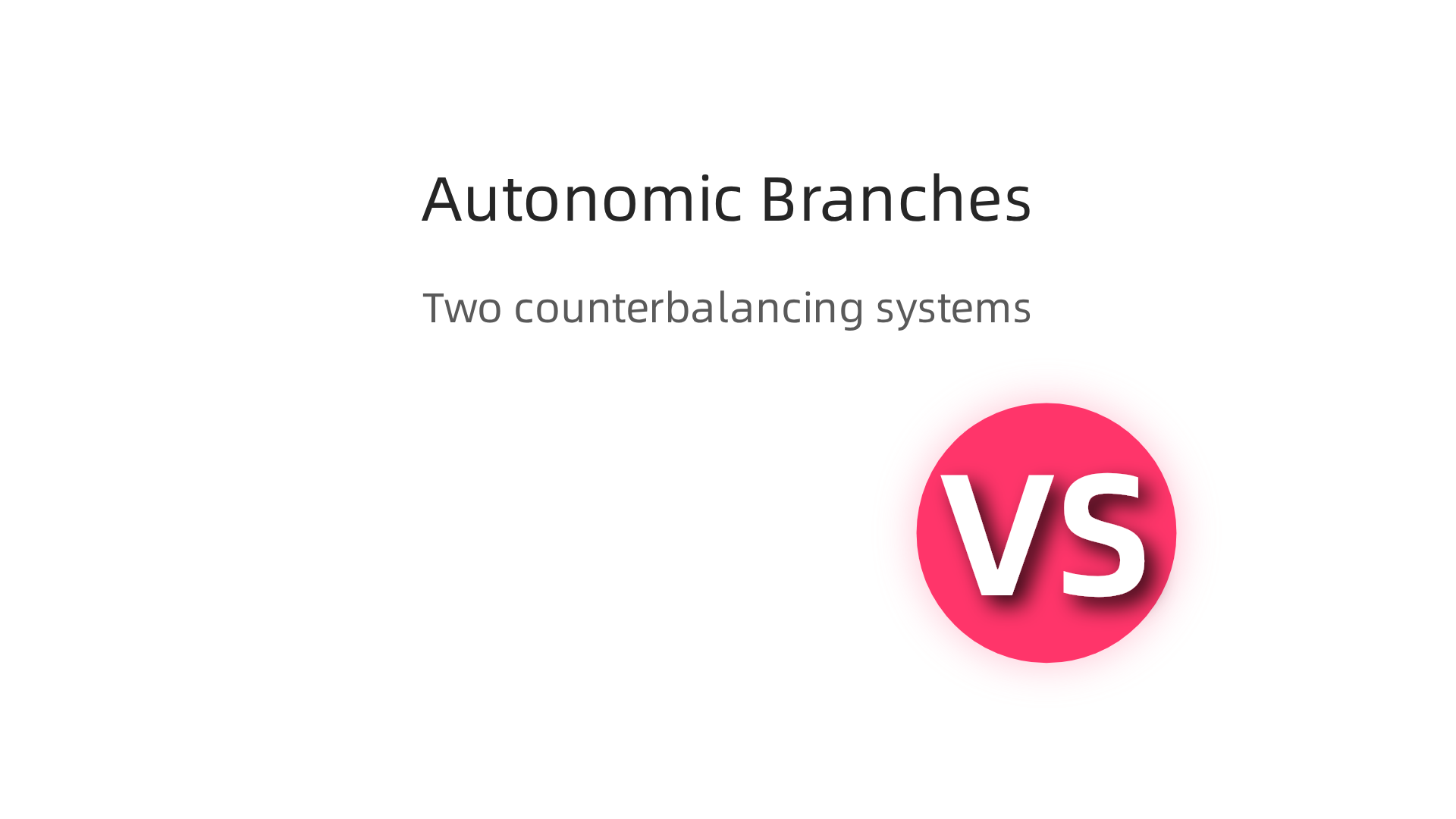
It helps you calm down, slowing your heart and bringing your blood pressure back to normal. For a truly calm nervous system, these two parts need to be in good balance.
How Your Body Controls Blood Pressure
A very important part of this automatic control is something called the baroreflex. Imagine tiny sensors, called baroreceptors, in the walls of your blood vessels, especially in your neck and chest. These sensors are always checking your blood pressure. When your blood pressure changes, like when you stand up, these sensors quickly send messages to your brain.
If your blood pressure drops a bit too much when you stand, the baroreflex jumps into action. It tells your heart to beat faster and your blood vessels to squeeze a little tighter. This helps push blood up to your brain and keeps you from getting too dizzy or fainting. It’s a very quick and clever response! You can even learn how to measure orthostatic blood pressure correctly to understand your body’s response better.
When the baroreflex isn’t working as smoothly as it should, or if the "go, go, go" sympathetic system is too active, that’s when you might feel those unsettling symptoms. Your heart might race or pound (palpitations), you might feel lightheaded, or you could even get a sudden spike of anxiety. This happens because your body is working extra hard to fix the blood pressure change, and the physical sensations can make you feel like something is wrong, even if it’s just your body overreacting to a normal shift in position. These feelings are very real and can make you worry.
It’s also why understanding your personal blood pressure by age is helpful. Your blood pressure can change as you get older, and knowing your usual numbers can help you notice when things are different. Using a reliable device, like an Omron blood pressure monitor, can give you a clearer picture of your health.
When your body’s automatic system, the autonomic nervous system, isn’t quite balanced, or the baroreflex isn’t working perfectly, you might experience issues with your orthostatic blood pressure. This term describes what happens to your blood pressure when you change positions, especially when you stand up. Doctors look at specific changes to diagnose certain conditions.
What is Orthostatic Hypotension?
Orthostatic hypotension is a fancy way to say your blood pressure drops too much when you stand up. When this happens, you might feel dizzy, lightheaded, or even faint. For doctors to say you have orthostatic hypotension, your blood pressure usually needs to drop by a certain amount:
- Your top number (systolic blood pressure) goes down by 20 points or more.
- Your bottom number (diastolic blood pressure) goes down by 10 points or more.
These drops happen within three minutes of standing. It’s important to remember that these are specific medical definitions used in clinics.
What is Orthostatic Tachycardia?
Sometimes, instead of your blood pressure dropping a lot, your heart rate speeds up too much when you stand. This is called orthostatic tachycardia, and a common form is Postural Orthostatic Tachycardia Syndrome, or POTS. With POTS, your heart rate might jump by 30 beats per minute or more within 10 minutes of standing, even if your blood pressure doesn’t drop enough to be called orthostatic hypotension. People with POTS often feel tired, dizzy, or have a pounding heart.
How Doctors Measure Orthostatic Blood Pressure
Measuring your orthostatic blood pressure correctly is key to understanding what’s happening in your body. It’s not just about taking your blood pressure once. Doctors and nurses follow a few important steps:
- Lie Down: You’ll rest quietly on your back for at least 5 minutes. This lets your body settle down.
- First Measurement: While you’re still lying down, your blood pressure and pulse are measured. This gives a baseline.
- Stand Up: You’ll then stand up.
- Second Measurement: Your blood pressure and pulse are measured again after 1 minute of standing.
- Third Measurement: Your blood pressure and pulse are measured one more time after 3 minutes of standing. Sometimes, they might even take a measurement after 5 or 10 minutes, especially for specific conditions.
This careful, step-by-step method helps doctors see how your body reacts to standing and if there are significant changes. Having a standard way to measure means that doctors can compare results more easily and accurately figure out what’s going on, even when looking at different clinical assessments of orthostatic heart rate and blood pressure. This helps them understand your blood pressure by age and individual health needs. Learning more about deep breathing to lower blood pressure and normal ranges by age can also help you understand your numbers better.
Understanding these measurements is an important step towards having a calm nervous system and feeling more in control of your health.
How Breathing Affects Autonomic State and Blood Pressure
Now that we understand how doctors check your orthostatic blood pressure, let’s look at a simple yet powerful way you can help your body stay balanced: breathing. Deep, paced breathing doesn’t just feel good; it actually talks to your body’s control center, the autonomic nervous system. This helps create a more calm nervous system.
The Connection: Breathing, Nerves, and Blood Pressure
Imagine your body has two main gears: one for "go" (stress) and one for "slow" (rest and digest). The "slow" gear is mostly controlled by something called the vagus nerve. When this nerve is active, it’s like putting a gentle brake on your body’s stress response. Doctors call this "vagal tone."
When you do slow, paced breathing, you’re giving your vagus nerve a workout. This makes your vagal tone stronger. A stronger vagal tone helps your heart and blood vessels work better together. It specifically helps something called "baroreflex sensitivity." Think of the baroreflex as your body’s automatic helper that adjusts your orthostatic blood pressure when you stand up or move. If it’s more sensitive, it can react more quickly and smoothly to keep your blood pressure stable.
Studies have shown that breathing slowly can make your heart rate more varied. This "heart rate variability" (HRV) is a good sign that your autonomic nervous system is working well and can adapt to different situations. When your vagal tone gets stronger, and your baroreflex sensitivity improves, your blood pressure doesn’t swing as wildly. This is called improved blood pressure variability, meaning your blood pressure stays steadier.
What the Research Shows
Scientists have been studying how breathing affects our bodies for a long time. Their findings come from different kinds of research:
- Lab Studies: These are done in controlled settings where researchers can carefully measure things like heart rate, blood pressure, and how much oxygen you use while you breathe at different speeds. These studies show clear links between slow breathing and changes in vagal tone and heart rate variability. For instance, research shows that breathing at a slow, steady pace can make your heart rate variability better and boost your vagal tone Integrating Slow-paced Breathing into Pre-shot Routine.
- Small Clinical Trials: In these studies, a small group of people try paced breathing exercises over a period of time. Researchers then check if their blood pressure, heart rate, and how they feel get better. These trials often show that regular breathing practice can lead to lasting improvements in how the body handles stress and blood pressure Harnessing non‑invasive vagal neuromodulation: HRV biofeedback ….
- Physiological Measurements: This involves using special tools to measure things like how your nerves are sending signals or how your blood vessels are tightening and relaxing. These measurements help confirm that paced breathing actually changes the way your body works from the inside out.
All this evidence points to slow, paced breathing as a powerful tool for improving your overall autonomic balance.

It helps your body respond better to changes, keeping your orthostatic blood pressure more stable and contributing to a truly calm nervous system. Using a home device like an omron blood pressure monitor can help you track your numbers and see the positive changes over time, giving you a better understanding of your blood pressure by age. If you want to learn more, check out our guide on Deep Breathing for Stress.
Calm the body and reclaim attention. If you’re ready to try a simple yet powerful technique to manage your stress, you can Breathe, Then Recenter and start feeling better today.
Practical Deep-Breathing Techniques That Influence BP and Calm the Nervous System
Since we know how powerful breathing is for your body’s balance, let’s dive into some easy ways to practice it. These simple techniques can help manage your orthostatic blood pressure and truly create a calm nervous system.
Getting Started with Diaphragmatic Breathing
Most deep-breathing exercises start with diaphragmatic breathing. This just means breathing deeply into your belly, not just your chest. Here’s how:
- Find a comfy spot: Lie down or sit with your back straight.
- Hand placement: Put one hand on your chest and the other on your belly, right below your ribs.
- Breathe in: Slowly breathe in through your nose. Feel your belly rise under your hand, while your chest stays mostly still.
- Breathe out: Slowly exhale through your mouth, gently tightening your stomach muscles to push the air out. Your belly should fall.
Practice this until it feels natural. This deep belly breathing forms the base for other calming techniques.
Try These Specific Breathing Patterns
Once you’re comfortable with diaphragmatic breathing, you can add specific counts to make it even more effective.
Box Breathing (4-4-4-4)
This method is like drawing a box with your breath and is very popular for calming stress. It can help lower blood pressure and improve your mood Box breathing: How to do it, benefits, and tips.

- Exhale completely: Get all the air out of your lungs.
- Inhale (Count of 4): Breathe in slowly through your nose for a count of four. Feel your belly expand.
- Hold (Count of 4): Hold your breath for a count of four.
- Exhale (Count of 4): Breathe out slowly through your mouth for a count of four.
- Hold (Count of 4): Hold your breath out for a count of four before starting again.
Repeat this cycle several times. Many find it helpful for a truly calm nervous system.
4-7-8 Breathing
Developed by Dr. Andrew Weil, this technique is often suggested for relaxation and sleep.
- Place your tongue: Lightly touch the tip of your tongue to the ridge of tissue behind your upper front teeth, and keep it there throughout the exercise.
- Exhale completely: Breathe out completely through your mouth, making a whoosh sound.
- Inhale (Count of 4): Close your mouth and breathe in quietly through your nose for a count of four.
- Hold (Count of 7): Hold your breath for a count of seven.
- Exhale (Count of 8): Exhale completely through your mouth, making that whoosh sound again, for a count of eight.
This technique can be very powerful for quick relaxation How To Do the 4-7-8 Breathing Exercise.
4-6 Breathing (Prolonged Exhalation)
This simple technique focuses on making your exhale longer than your inhale, which helps activate your body’s "rest and digest" mode even more.
- Inhale (Count of 4): Breathe in slowly through your nose for a count of four.
- Exhale (Count of 6): Slowly breathe out through your mouth for a count of six.
This pattern encourages deeper relaxation by telling your nervous system it’s safe to calm down.
How Often Should You Practice?
Consistency is key when using breathing to influence your orthostatic blood pressure and achieve a more calm nervous system.
- Session Length: Start with just 3-5 minutes per session. As you get more comfortable, you can increase this to 10-15 minutes.
- Frequency: Aim for 2-3 sessions a day. You can do one in the morning, one in the afternoon if you feel stressed, and one before bed.
- When to practice: Anytime you feel stressed, anxious, or notice your heart racing. Also, practicing regularly when you feel fine can build your body’s ability to stay calm.
Noticing Changes Safely
While practicing, pay attention to how your body feels. You might notice:
- A slower heart rate: Your pulse may feel less rushed.
- Relaxed muscles: Tension in your shoulders, neck, or jaw might ease.
- Clearer mind: Fewer racing thoughts, a greater sense of focus.
- Warmer hands and feet: This can be a sign of improved blood flow and a more relaxed state.
It’s important to be gentle with yourself. If you feel lightheaded, simply return to your normal breathing. Over time, these practices can help you understand your unique blood pressure by age and how specific breathing exercises can make a positive difference. You can also track your progress with a home device like an omron blood pressure monitor.
For more techniques that can help manage both high blood pressure and anxiety, explore additional resources on Breathing Exercises for High Blood Pressure and Anxiety.
Technique spotlight: a 4-4-6 (or 4-6) paced breathing protocol
We just learned some great breathing methods. Now let’s look at another one called 4-4-6 or 4-6 breathing. This special way of breathing helps make your exhale longer than your inhale. This longer exhale tells your body to relax even more, helping you get a truly calm nervous system.
Here’s how to do it:
- Get Ready: Find a quiet, comfy spot. You can sit in a chair with your back straight or lie down. This is important, especially if you sometimes feel dizzy, as it helps manage your orthostatic blood pressure safely.
- Breathe in (Count of 4): Close your mouth and slowly breathe in through your nose for 4 seconds. Feel your belly fill with air.
- Hold Your Breath (Count of 4 for 4-4-6): If you’re doing the 4-4-6 method, gently hold your breath for 4 seconds. If you’re doing the simpler 4-6 method, you can skip this step and go straight to exhaling.
- Breathe out (Count of 6): Slowly let the air out through your mouth for 6 seconds. Make a soft "whoosh" sound as you breathe out. Try to empty your lungs completely.
Repeat these steps several times. This type of paced breathing, especially with a longer exhale, can help your body switch to a relaxed state The Effect of Breathing on Cognitive Performance and Stress.
Keeping it Safe and Simple
- Start Easy: If the 4-4-6 method feels too hard or makes you lightheaded, just try the 4-6 method. Inhale for 4, exhale for 6. No need to hold your breath.
- Listen to Your Body: If you ever feel dizzy, lightheaded, or uncomfortable, stop right away. Go back to breathing normally. You can always try again later when you feel better.
- Adjust Counts: You can change the counts to what feels best for you. Maybe 3-5 breathing is a better start, where you inhale for 3 and exhale for 5. The main idea is for your exhale to be longer than your inhale.
- Consistency Helps: Doing this regularly can help you learn more about your blood pressure by age and how these exercises positively affect it. You might even use a device like an omron blood pressure monitor to track your progress over time.
For more ways deep breathing can help with your heart health, check out our guide on Deep Breathing to Lower Blood Pressure and Normal Ranges by Age for Better Heart Health.
Remember, taking a moment to breathe deeply can help you calm down and feel more in control.
Breathe, Then Recenter. When you feel overwhelmed, take a deep breath to Calm the body and reclaim attention.
Technique spotlight: box breathing and progressive pacing for on-the-job or exam moments
After learning about paced breathing with longer exhales, let’s explore another helpful method called box breathing. This technique is great for quickly calming your mind and body, especially when you need to focus, like at work or during an exam. It helps bring a calm nervous system to the forefront.
Box breathing is also known as 4×4 breathing because each step lasts for 4 seconds. It involves breathing in, holding your breath, breathing out, and holding your breath again, all for the same amount of time. This rhythm can help lower stress and improve your mood Brief structured respiration practices enhance mood and reduce ….
Here are the simple steps:
- Prepare: Sit or stand comfortably. Try to relax your shoulders and jaw.
- Breathe In (Count of 4): Slowly breathe in through your nose for 4 seconds. Feel your belly expand.
- Hold (Count of 4): Gently hold your breath for 4 seconds.
- Breathe Out (Count of 4): Slowly breathe out through your mouth for 4 seconds, letting all the air go.
- Hold (Count of 4): Hold your breath again for 4 seconds before you start the next inhale.
Repeat these steps several times. You can do this for 3 to 5 minutes or as long as you need to feel more centered. Many people find box breathing helps them relax and clear their thoughts Box breathing: How to do it, benefits, and tips.
Quick Ways to Practice Box Breathing
One of the best things about box breathing is that you can do it almost anywhere without anyone noticing.
- At Your Desk: If you’re feeling stressed at work or while studying, simply follow the steps quietly at your desk. You can even imagine drawing a square with your breath: up for inhale, across for hold, down for exhale, across for hold.
- Before a Test: Before an exam, a few rounds of box breathing can help calm your nerves and improve your focus. It helps reset your body and mind quickly.
- During a Meeting: If a meeting feels overwhelming, take a few silent breaths using the box method. No one needs to know you’re doing it, but you’ll feel more in control.
- Use Apps: Some apps can guide you through breathing exercises, making it even easier to practice discreetly. You might find a science-backed breathwork tool for anxiety relief and focus helpful.
Practicing box breathing regularly can help you manage everyday stress and build your ability to stay calm when things get tough. For more on how breathwork can help your body’s systems, learn about Anxiety Breathing Techniques That Calm Your Limbic System.
Applying breathing and orthostatic awareness: workplace, students and people with diagnosed anxiety
Now that you know about helpful breathing exercises like box breathing, let’s see how these can fit into your daily life. Whether you’re busy at work, studying for exams, or dealing with anxiety, these simple tools can make a big difference.

They help create a calm nervous system, which is super important for feeling good.
For Busy Professionals and Students
Life can get pretty hectic, right? If you’re working hard or facing school deadlines, stress can build up. That’s when easy breathing exercises come in handy. Taking just a few minutes to breathe slowly can help you focus better and feel less overwhelmed. Many studies show that simple breathing helps lower stress and anxiety Breathing Practices for Stress and Anxiety Reduction – PMC – NIH. It’s like a quick reset button for your brain. You can do it almost anywhere without anyone noticing, whether you’re at your desk or waiting for a meeting to start.
Understanding Orthostatic Blood Pressure
Sometimes, you might feel dizzy when you stand up quickly. This can happen because your body has to work fast to keep blood flowing to your brain. When you stand up, your blood pressure can drop a little, and this is called orthostatic blood pressure. For most people, the body adjusts quickly. However, for some, especially those with anxiety or certain health issues, this feeling can be more intense or scary. Breathing techniques help your body handle these changes better by calming your nervous system. In fact, exercise and keeping your body healthy can improve how your body handles orthostatic blood pressure changes The autonomic nervous system in the regulation of glucose and lipid metabolism. Learning about your general blood pressure by age can also be helpful.
For People with Diagnosed Anxiety
If you have diagnosed anxiety, breathing exercises are a powerful tool in your toolkit. They won’t replace talking to a doctor or therapist, but they can help you manage tough moments. Practicing breathing can give you a sense of control and reduce strong physical feelings of anxiety. You might even find it helpful alongside other treatments.
When to Talk to a Doctor
While breathing techniques are very safe and helpful, it’s important to know when to seek professional advice. If you often feel dizzy, faint, or have other worrying symptoms, especially with changes in position, please talk to a doctor. This is extra important if you have known heart problems or if your orthostatic blood pressure issues are getting in the way of your daily life. They can check if your blood pressure by age is healthy and suggest the best way forward, maybe even recommending special devices like an Omron blood pressure monitor for home tracking if needed. Breathing is great for a calm nervous system, but always listen to your body and get help from experts when you need it.
When Orthostatic BP Signals Need Medical Attention and Breathing Precautions
In the last section, we talked about when to see a doctor for worrying symptoms like dizziness. It’s really important to know when a feeling of dizziness or lightheadedness, especially when standing up, means you should get medical help. These symptoms, which relate to your orthostatic blood pressure, can sometimes be signs of something more serious.
Red Flags That Need a Doctor’s Visit
While breathing exercises can help you feel better, some signals need a doctor’s immediate attention. If you often feel dizzy, faint, or fall down after standing up, these are big red flags. Also, if you know you have heart problems or other health issues and experience these symptoms, it’s extra important to get checked. Doctors use simple ways to check for orthostatic changes, such as measuring your blood pressure when you are lying down, sitting, and standing Measuring Orthostatic Blood Pressure.
You should definitely talk to your doctor if you experience:
- Fainting spells: Officially called syncope, this means you pass out completely.
- Repeated falls: If you keep losing your balance and falling, especially after changing positions.
- Very bad dizziness: Dizziness that makes it hard to do normal things or lasts a long time.
- Known heart conditions: If you already have heart issues, any new dizziness needs a check-up.
What Doctors Look For
When you see a doctor, they will usually ask you some simple questions about when your dizziness happens and how often. They will also do a physical exam. A key part of this is checking your orthostatic blood pressure. This means they will measure your blood pressure and heart rate while you are lying down, and then again after you stand up for a few minutes. This helps them see how your body adjusts to changes in position Multimodal Wearable and Survey Data Reveal Distinct Physiologic.
They might also talk about your general blood pressure by age to make sure it falls within healthy ranges. If needed, they might suggest using an Omron blood pressure monitor or another home device to track your numbers regularly. This can give them a clearer picture of what’s happening. Learning about different types of blood pressure monitors can also be helpful for home tracking your numbers and understanding your health better. Check out our guide on best blood pressure monitors for anxiety.
While breathing exercises can greatly help maintain a calm nervous system and manage anxiety that can worsen dizzy spells, it’s always best to get medical advice for any serious or ongoing health concerns related to your blood pressure.
Integrating Breathing with Therapy, Biofeedback and Behavior Systems
We just talked about seeing a doctor for serious blood pressure issues, but also how breathing exercises help keep your body calm. Actually, these breathing practices can work hand-in-hand with other types of help, like talking therapy and special tools that show you what’s happening inside your body.
How Breathing Helps with Other Therapies
Think about therapy that helps you change your thoughts and actions, like CBT (Cognitive Behavioral Therapy) or exposure therapy. These therapies often ask you to face things that make you feel worried or scared. When you learn how to breathe slowly and deeply, it gives you a secret tool. It helps you stay calm and in control when you feel stressed, making those therapies work even better Breathing Practices for Stress and Anxiety Reduction. This way, you can slowly get used to difficult situations without feeling so overwhelmed. It helps bring a sense of calm to your nervous system.
Breathing with Biofeedback
Biofeedback is like having a mirror for your body. It uses special machines to show you things like your heart rate or how tense your muscles are. One popular type is Heart Rate Variability (HRV) biofeedback. Here, you learn to control your breathing to make your heart rate patterns healthier. When you do paced breathing, it can make your body better at handling stress and changing positions, which is good for keeping your blood pressure steady Harnessing non‑invasive vagal neuromodulation: HRV biofeedback …. This simple act of slow breathing can really make a difference in how your heart and body work together Integrating Slow-paced Breathing into Pre-shot Routine. You can find out more about how specific Anxiety Breathing Techniques That Calm Your Limbic System.
Making it a Habit: Tracking and Support
To really make breathing a part of your daily life, it helps to track when you do it. Just like building any good habit, keeping an eye on your practice helps you stick with it. Some apps or simple journals can help you record your breathing sessions. If you’re working with a doctor or therapist, they might guide you on how to use biofeedback tools at home. This kind of careful tracking and support can help you build strong habits that change how your body and mind respond to stress over time. If you want to understand how these behavioral changes are formalized, read The Science of Gamification paper.
Summary
This article explains why orthostatic blood pressure — the change in blood pressure and heart rate when you stand — matters for anxiety, everyday calm, and breathing practice. It describes the autonomic nervous system and the baroreflex, how exaggerated sympathetic responses or poor baroreflex sensitivity can produce lightheadedness, palpitations, or spikes in anxiety, and the clinical definitions of orthostatic hypotension and orthostatic tachycardia (POTS). The piece gives step-by-step guidance on how clinicians measure orthostatic BP and offers simple, evidence-based breathing methods (diaphragmatic breathing, box breathing, 4-6/4-4-6 and 4-7-8) to strengthen vagal tone, improve heart rate variability, and stabilize blood pressure. Practical advice covers session length and frequency, safety tips for people who feel dizzy, when to seek medical care, and how to pair breathwork with therapy, biofeedback, and home monitoring for long-term benefit.